
Beyond the Silk Pillowcase: The Evening Rituals That Save Your Hair While You Sleep

We spend so much time focusing on what we do to our hair during the day. We worry about the heat from our flat irons, the tension of our midday ponytails, and the environmental stressors of the city. But we often forget that we spend about a third of our lives with our heads on a pillow. If you are waking up with a "birds nest" at the nape of your neck or noticing that your hair feels drier in the morning than it did when you went to bed, your sleep habits are likely to blame.
I have been working in the mindful beauty space for a long time, and I can tell you that mechanical stress is one of the most overlooked causes of breakage. We think of damage as something that happens with chemicals or high heat, but the slow, repetitive friction of your hair against a pillowcase for eight hours a night is just as destructive. It is a quiet, persistent thief of hair health.
Transforming your evening into a mindful hair ritual is not just about aesthetics. It is about preservation. It is about making sure that the growth you worked so hard to achieve during the day isn't snapped off by a cotton fiber while you are dreaming.
The Friction Problem: Why Your Pillowcase Matters
Most of us grew up with standard cotton pillowcases. While cotton is breathable for your skin, it is actually quite abrasive for the hair cuticle. If you look at a cotton fiber under a microscope, it has tiny "hooks" that grab onto the hair. Every time you toss and turn, those fibers pull at your strands, roughening the cuticle and stripping away moisture.
This is where the classic advice of switching to silk or satin comes in. Silk is a protein-based fiber that mimics the structure of your hair. It allows the hair to glide across the surface without snagging. But the ritual goes deeper than just the fabric you sleep on. It is about how you prepare the hair for that eight-hour rest.
The Detangling Ceremony
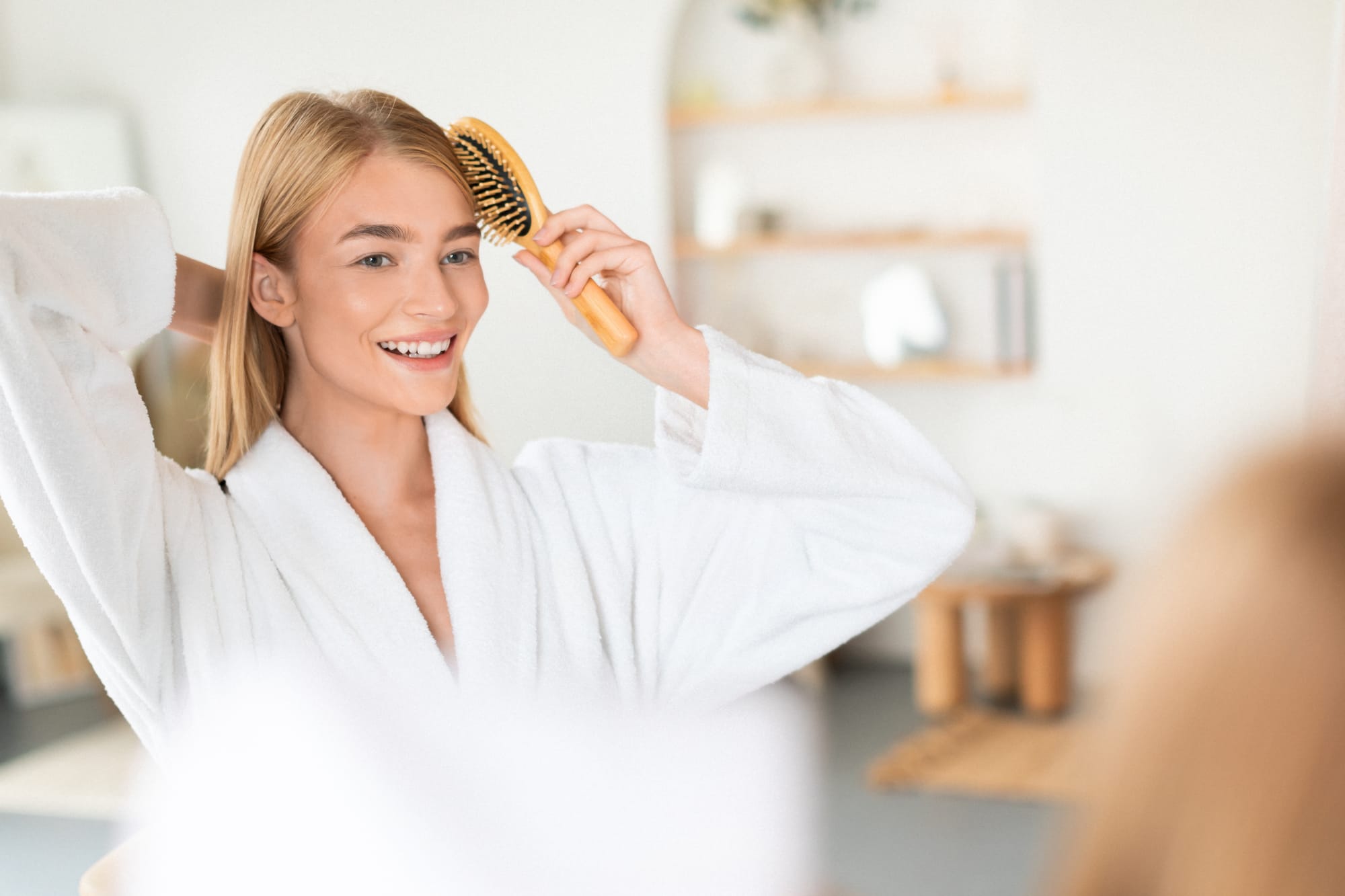
The first step in any evening hair ritual should be a thorough, gentle detangling. We often carry the "knots of the day" into our beds. If you leave those small tangles in, the friction of sleep will turn them into massive mats by morning.
I always suggest using a wide-tooth comb or a flexible brush, starting from the very ends and working your way up to the roots. This is a moment to be present. Instead of rushing through it, feel the texture of your hair. Notice where it feels dry or where it needs a bit of extra grace. By removing the tangles before your head hits the pillow, you are significantly reducing the risk of mid-shaft breakage during the night.
The "Anchor" Strategy: Protecting Your Ends
The ends of your hair are the oldest and most fragile parts of the strand. Leaving them loose and exposed to the air all night is a recipe for split ends. This is why I am a huge advocate for "low-tension" protective styles.
One of my favorite methods is the "Pineapple." This is particularly effective for those with waves or curls. You flip your hair forward and gather it into a very loose, high ponytail at the very top of your head. Use a large silk scrunchie—never a traditional elastic—to hold it in place. This keeps the ends tucked away and ensures that the hair you are actually sleeping on is the hair at the back of your head, which is usually more resilient.
If you have straight or fine hair, a loose three-strand braid is your best friend. It keeps the hair contained and prevents the friction that leads to those morning knots. The key here is the word loose. Anything tight will pull on the hair follicles and can actually lead to thinning around the hairline over time.

Nighttime Hydration: The "Lock and Key" Method
Night is the best time for deep hydration because you have hours of uninterrupted time for products to work. However, you have to be careful not to over-saturate. I like to apply a tiny amount of a lightweight botanical oil or a dedicated nighttime serum to the bottom two inches of my hair before braiding it.
Think of the oil as the "lock" that keeps your natural moisture inside the "key" of the hair shaft. You can read more about the science of hair lipids and how they protect the cuticleto understand why maintaining that oil barrier is so vital for long-term length retention. When you wake up, you will find that the oil has mostly absorbed, leaving your ends feeling supple instead of "crunchy."

The Scalp Breath
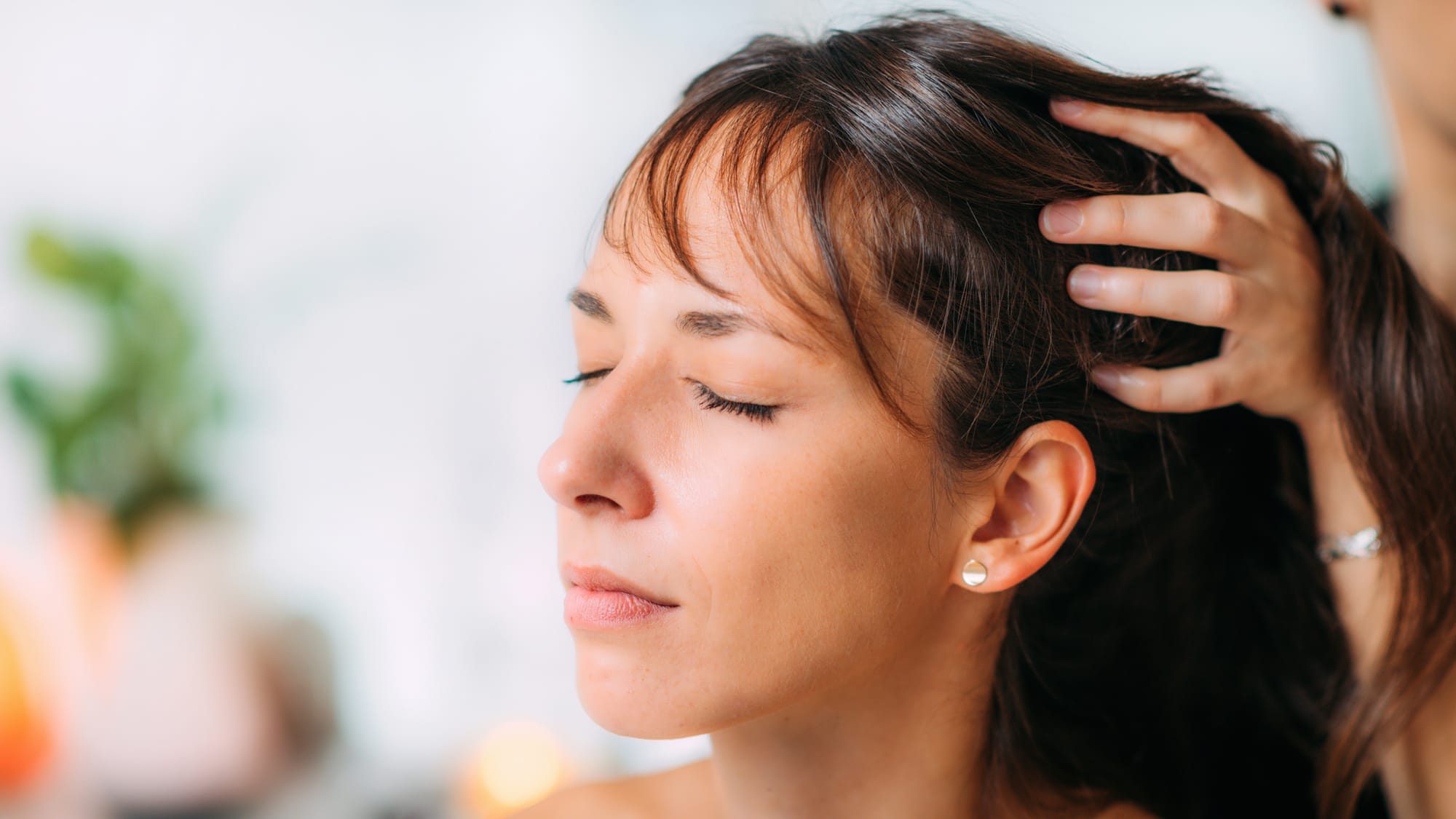
Finally, your evening ritual should include a moment for your scalp. After a day of being pulled back, tucked behind ears, or covered in styling products, your scalp needs to breathe. I always recommend a quick, one-minute scalp massage with your fingertips.
You don't need any fancy tools for this. Just use the pads of your fingers to gently move the skin of your scalp in circular motions. This helps to relieve the tension in the galea—the flat tissue that covers the top of your skull. When that tissue is tight, it can restrict blood flow to the follicles. This simple, mindful act signals to your body that the day is over and it is time for repair.
By the time you finish this ritual, you aren't just protecting your hair. You are setting a boundary between the chaos of the day and the restoration of the night. You are treating your hair like the valuable, living part of you that it is.