
How Late-Night Screen Time Suppresses Follicle Regeneration Cycles
The Unseen Connection Between Your Phone and Your Follicles
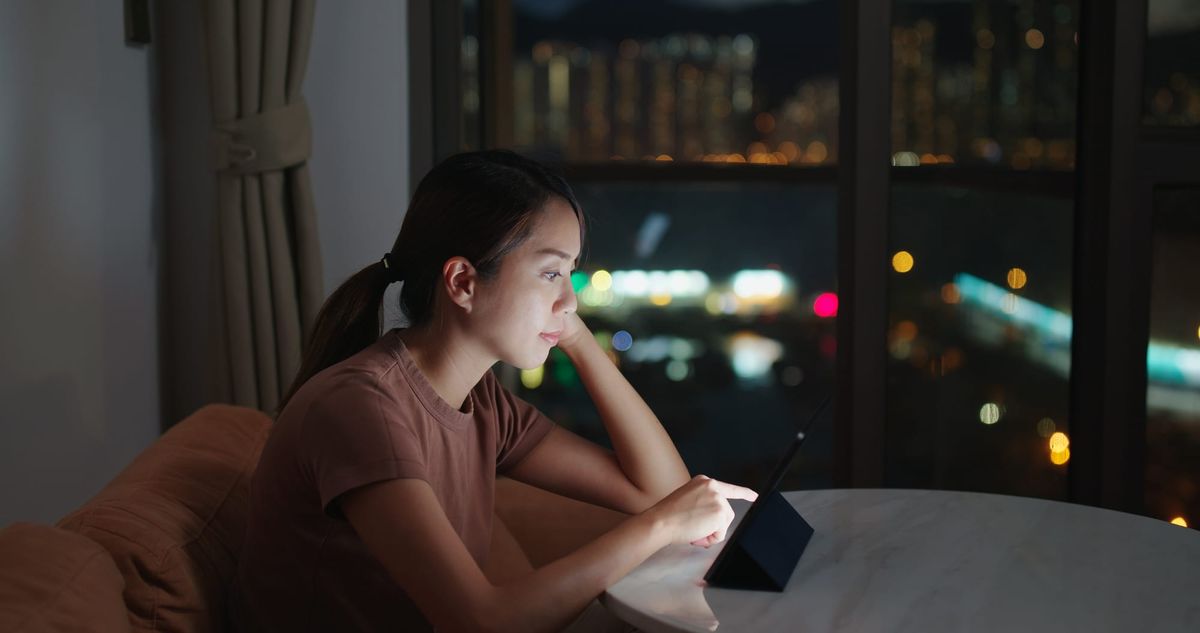
Let's have a real chat, just you and me. We've all been there-it's late, the house is quiet, and you're winding down by scrolling through your phone. It feels harmless, a simple way to decompress before sleep. But I want to gently pull back the curtain on what's happening on a biological level, because that seemingly innocent habit might be sending some confusing signals to your hair follicles, impacting their ability to regenerate and thrive.
Melatonin: Your Hair's Nighttime Guardian
You've probably heard of melatonin as the 'sleep hormone', but that's honestly selling it short. Think of it more like your body's master antioxidant and cellular repair supervisor that works the night shift. When the sun goes down, your brain's pineal gland gets the cue to start producing melatonin, which then travels throughout your body, protecting cells-including the delicate ones in your hair follicles-from oxidative stress. The problem is, the bright, blue-spectrum light from our screens mimics daylight, effectively telling your brain, 'Hold on, it's not nighttime yet!' This signal directly suppresses melatonin production, leaving your follicles without one of their key protectors when they need it most.
When Your Follicles Are Left Unprotected
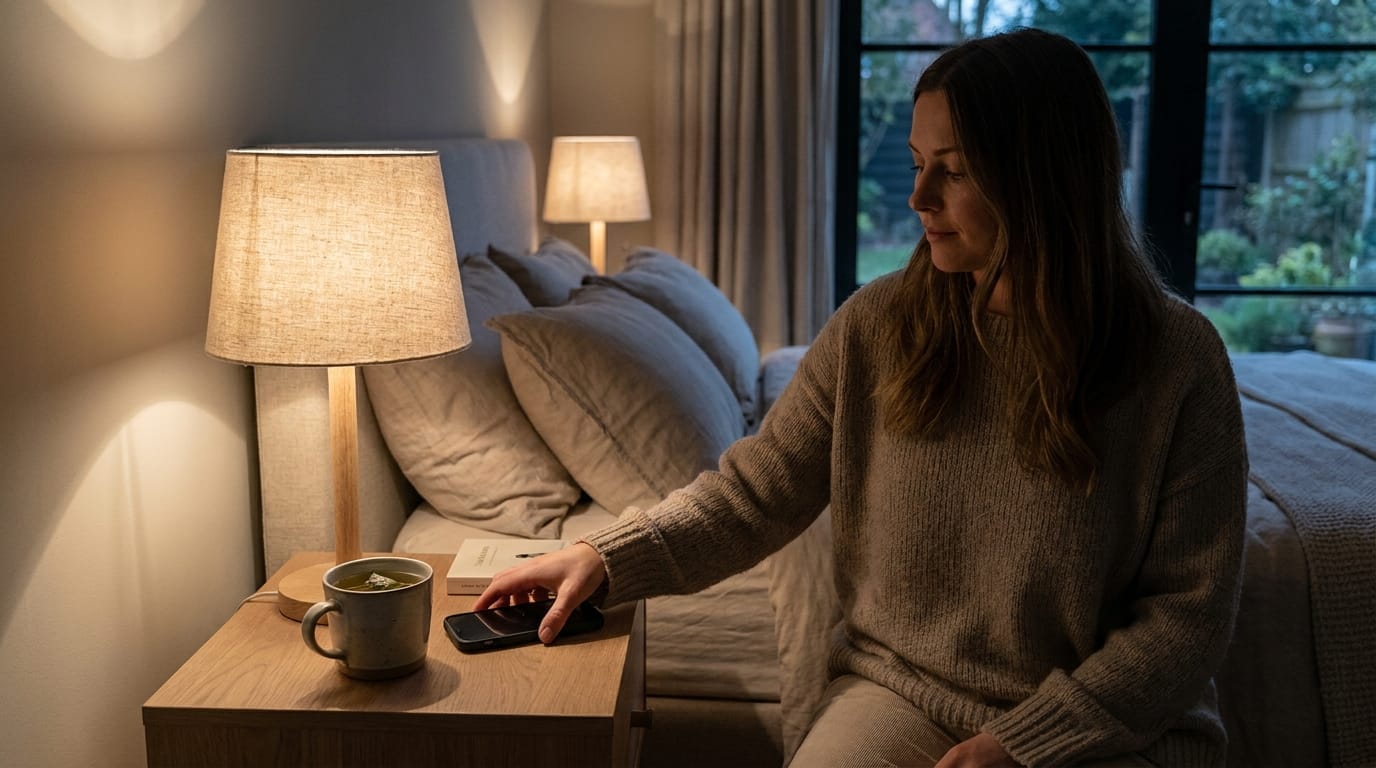
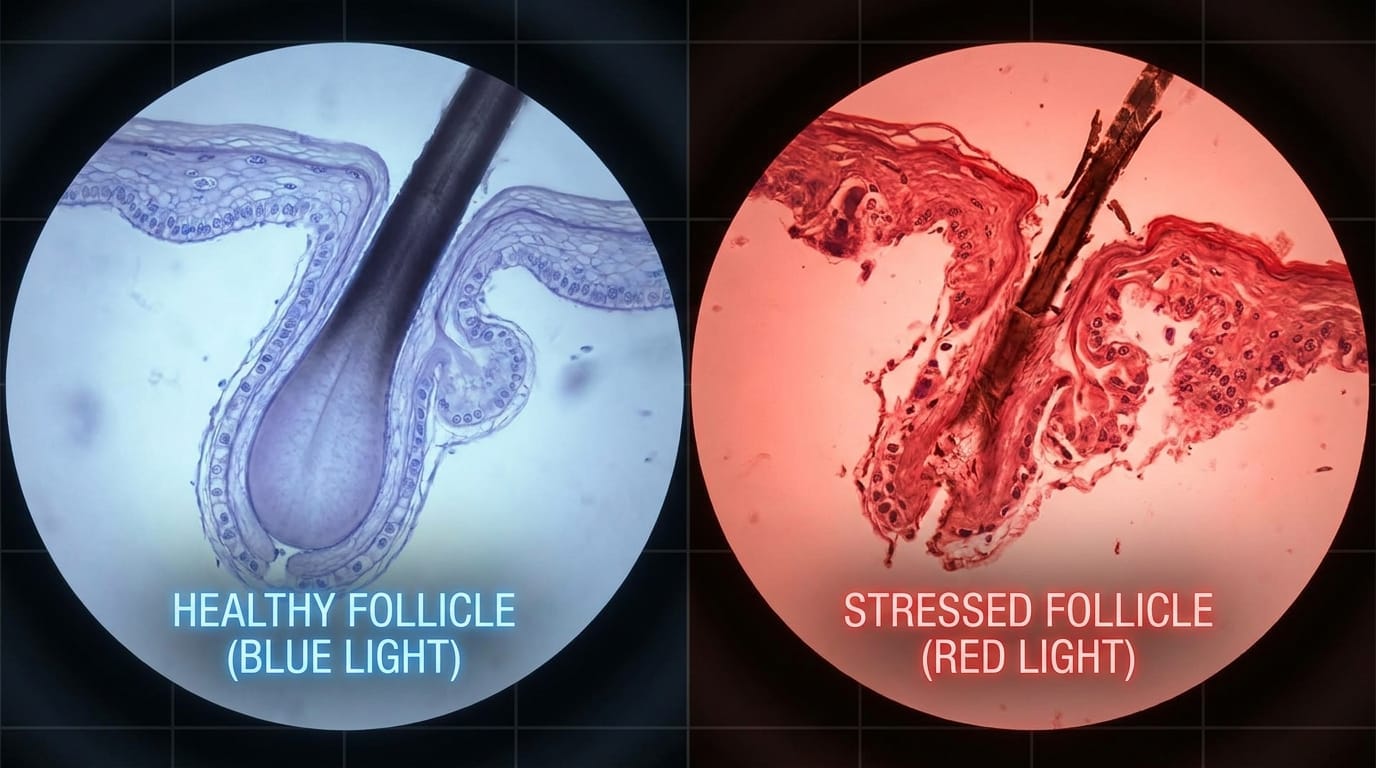
So, what happens when that melatonin shield is down? Your hair follicles become more vulnerable to the daily onslaught of free radicals, which are unstable molecules that cause cellular damage. This disruption can interfere with the hair's natural growth cycle, potentially shortening the anagen (growth) phase and pushing follicles into the telogen (resting) phase prematurely. It's not an overnight disaster, but over time, this consistent lack of protection can contribute to a gradual thinning and a noticeable lack of vibrancy in your hair.
The Cortisol Problem: Stressing Out Your Strands
It's a double-whammy, unfortunately. Late-night screen time doesn't just lower the good stuff; it can also spike the not-so-good stuff, namely a hormone called cortisol. Your cortisol levels are meant to naturally dip in the evening to prepare you for rest, but the stimulating nature of social media, news alerts, or even intense work emails can keep your system in a low-grade 'fight or flight' mode. This sustained elevation of cortisol is a well-documented trigger for hair shedding, as it signals to the body that it's a time of stress, not a time for non-essential activities like robust hair growth.
The Disruption of Your Body's Natural Rhythm
Ultimately, this is all about your circadian rhythm-your body's internal 24-hour clock that governs countless processes, including your hair's regeneration cycles. Your follicles are hardwired to perform specific repair and growth functions at specific times, and this entire elegant system relies on clear day-and-night cues. When we introduce bright artificial light long after sunset, we're essentially creating a state of perpetual jet lag for our cells, and our hair follicles are some of the first to show the signs of this systemic confusion.
Taking a mindful approach means understanding and honoring these deep biological rhythms.