
How Midday Sugar Crashes Shock Your Follicles into Early Hibernation

Let's get right to it, because I know you're busy. That 3 PM slump you feel after a sugary lunch isn't just a mood-killer; it's a direct hormonal shockwave that can prematurely push your hair follicles into their resting phase, thinning out your hair over time. It's one of the sneakiest, most overlooked reasons for shedding I've seen in my twenty years of experience, and it all starts with what's on your plate long before you ever notice a change in the shower drain.
Think of your body as a beautifully complex system that's always trying to find balance. When you eat a meal high in simple sugars or refined carbs-think white bread, pastries, or that soda-your blood sugar shoots up like a rocket. Your body, in response, releases a flood of insulin to grab that sugar and get it out of your bloodstream. What goes up must come down, right? The problem is, it often comes down too fast, leading to that infamous 'crash' that leaves you feeling tired, irritable, and craving even more sugar. This isn't just a feeling; it's a genuine stress event for your body.
Every time this happens, your body perceives it as a mini-emergency. It calls on its adrenal glands to release stress hormones, primarily cortisol, to help rebalance your blood sugar. And here's where your hair comes in. Your body is incredibly smart about conserving energy during perceived threats. It says, 'Hey, we're in a bit of a crisis here, so we need to shut down non-essential operations.' And unfortunately for us, hair growth is considered a non-essential operation. It's a biological luxury, not a necessity for immediate survival.
The Science Behind the 'Hibernation'
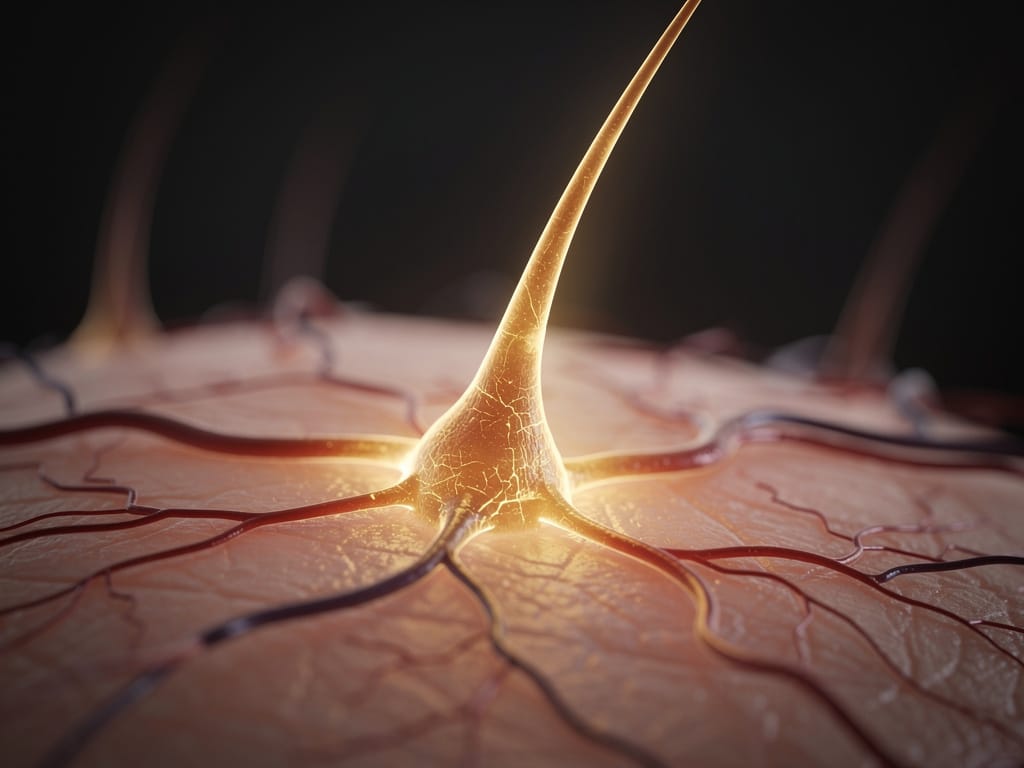
Your hair follicles operate in a cycle: a growing phase (anagen), a transition phase (catagen), and a resting phase (telogen). Normally, about 85-90% of your hair is actively growing. But repeated cortisol spikes from that blood sugar rollercoaster can send a powerful signal to your follicles to cut the growing phase short and jump right into the resting phase. This condition is called Telogen Effluvium, and it's a fancy way of saying your hair is shedding more than it should because a significant stressor-in this case, a dietary one-pushed a bunch of follicles into hibernation all at once.
It's not about the one donut you had last week. It's about the cumulative effect of these daily shocks. Over months and years, this pattern can lead to a noticeable decrease in hair density. On top of that, high sugar intake fuels low-grade inflammation throughout your body, and your scalp is no exception. An inflamed scalp is not a happy home for healthy hair. It's like trying to grow a beautiful garden in nutrient-poor, irritated soil. It just doesn't work as well.
So, What Can We Actually Do About It?
Okay, so the good news is you have so much power here. You don't need a perfect diet; you just need a smarter one. The goal is to get off the rollercoaster and onto a gentle, rolling hill. The easiest way to do this is to make sure your meals and snacks are balanced. If you're having carbohydrates, always pair them with protein and healthy fats. These additions slow down the absorption of sugar, preventing that dramatic spike and the inevitable crash. Instead of a plain bagel, have it with avocado and a hard-boiled egg. Instead of reaching for a candy bar at 3 PM, grab a handful of almonds and a pear.
It's also about consistency. Starting your day with a balanced breakfast is one of the kindest things you can do for your hormonal health and, by extension, your hair. It sets you up for stable energy all day long, reducing the likelihood you'll reach for something sugary out of desperation later. It's a simple shift, but it makes a world of difference. You're not just eating for your stomach; you're eating for the long-term health of every single follicle on your head.
Key Takeaways
- Midday sugar crashes cause a spike in the stress hormone cortisol, which is bad news for your hair.
- This hormonal stress can signal your hair follicles to enter their 'resting' or shedding phase too early.
- A diet high in sugar also promotes low-grade inflammation, which can negatively affect scalp health.
- You can prevent these crashes by balancing your meals with a mix of protein, healthy fats, and fiber-rich carbohydrates.
Remember, this is a journey of mindfulness, not perfection. It's about connecting the dots between how you feel on the inside and how your body, including your hair, expresses that. By being more intentional with your food choices, you're not just dodging an afternoon slump-you're laying the foundation for stronger, healthier hair from the root up. It's one of the most profound acts of self-care you can practice.