
Scalp Glycation: How Your Skin’s "Sugar Crust" is Literally Stifling New Hair Growth
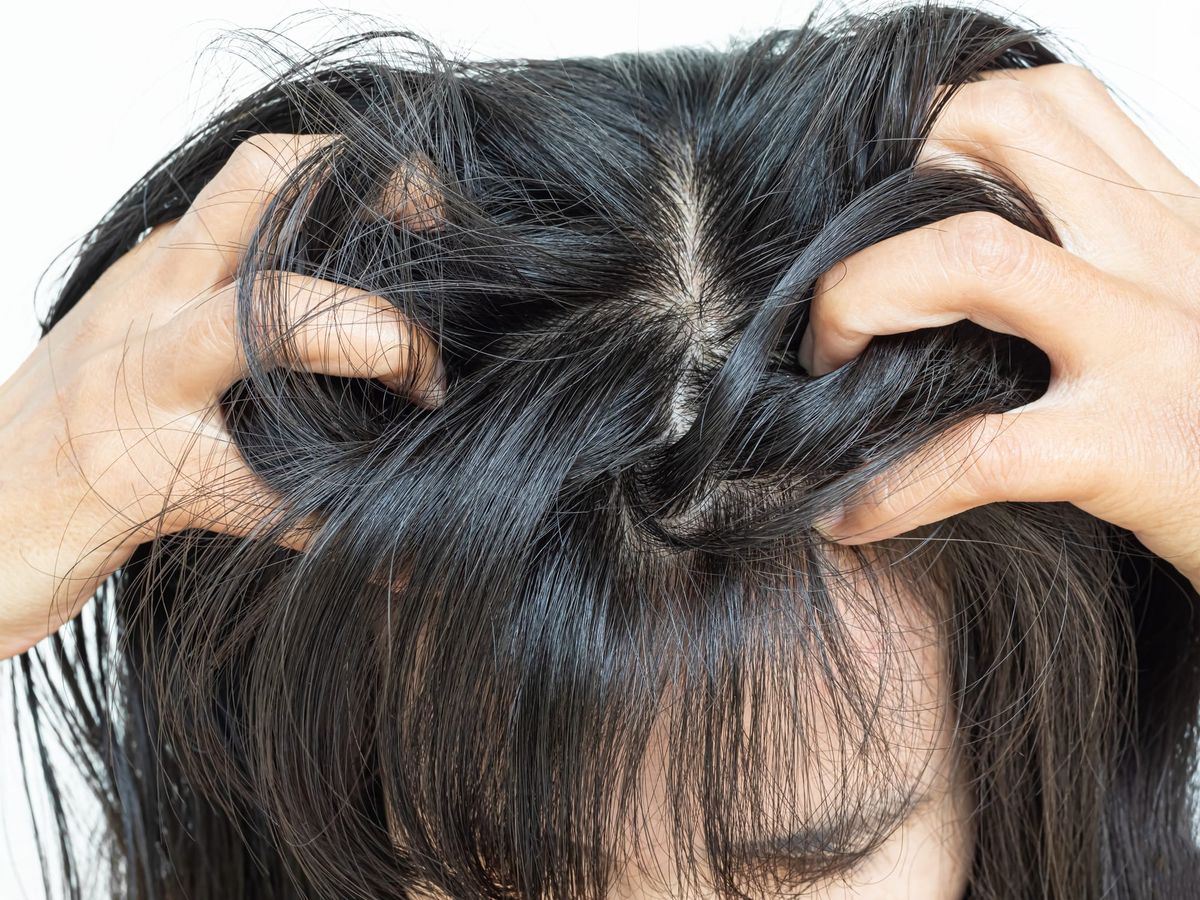
It starts as a feeling you can’t quite name. Your scalp feels… tight. Not dry, not oily, just strangely inflexible, as if the skin is being pulled taut over your skull. You run your fingers through your hair, massaging the roots, but there’s a subtle resistance, a lack of the usual suppleness. This isn’t about product buildup. This is deeper, a stiffness coming from within the skin itself, a silent tension that’s been building for years.
This phenomenon, often invisible to the naked eye, is the physical evidence of a process called glycation. It’s a slow, creeping stiffening of your skin’s foundational proteins, and it has profound consequences for the hair trying to grow from it. Your scalp is quite literally becoming rigid, and your hair follicles are paying the price.
Think of it as a quiet warning from your body. The signs can be subtle at first, easily mistaken for other issues, but they point to this underlying hardening of the scalp’s tissue.
- A persistent feeling of scalp tightness or tension.
- Hair that appears dull or lackluster right from the root.
- An increase in hair shedding without an obvious cause.
- New hair growth that seems finer, weaker, or slower than before.
- A general loss of skin elasticity when you gently pinch the scalp.
What is This “Sugar Crust”?
Imagine drizzling liquid caramel onto a soft, flexible sponge. At first, it’s warm and pliable. But as it cools, it hardens into a brittle, glassy sheet, making the sponge stiff and immovable. This is a simplified, but accurate, picture of glycation. On a microscopic level, excess sugar molecules in your bloodstream are attaching themselves to proteins-in this case, the collagen and elastin that give your skin its structure and bounce.
This chemical reaction creates something called Advanced Glycation End-products, or A.G.E.s for short. These A.G.E.s are destructive. They cross-link with your pristine collagen fibers, tangling them into a rigid, disorganized mess. The supple, supportive matrix that once cradled your hair follicles becomes a hardened cage. This isn’t just a surface issue; it’s a deep, structural change happening within your dermis-your scalp is forming a literal “sugar crust”.
The Follicle Under Siege
A hair follicle is not an island. It depends entirely on the surrounding tissue for its survival. It needs flexibility to anchor the hair, and it needs a rich supply of oxygen and nutrients from a network of tiny blood vessels. Glycation attacks this entire support system with devastating efficiency.
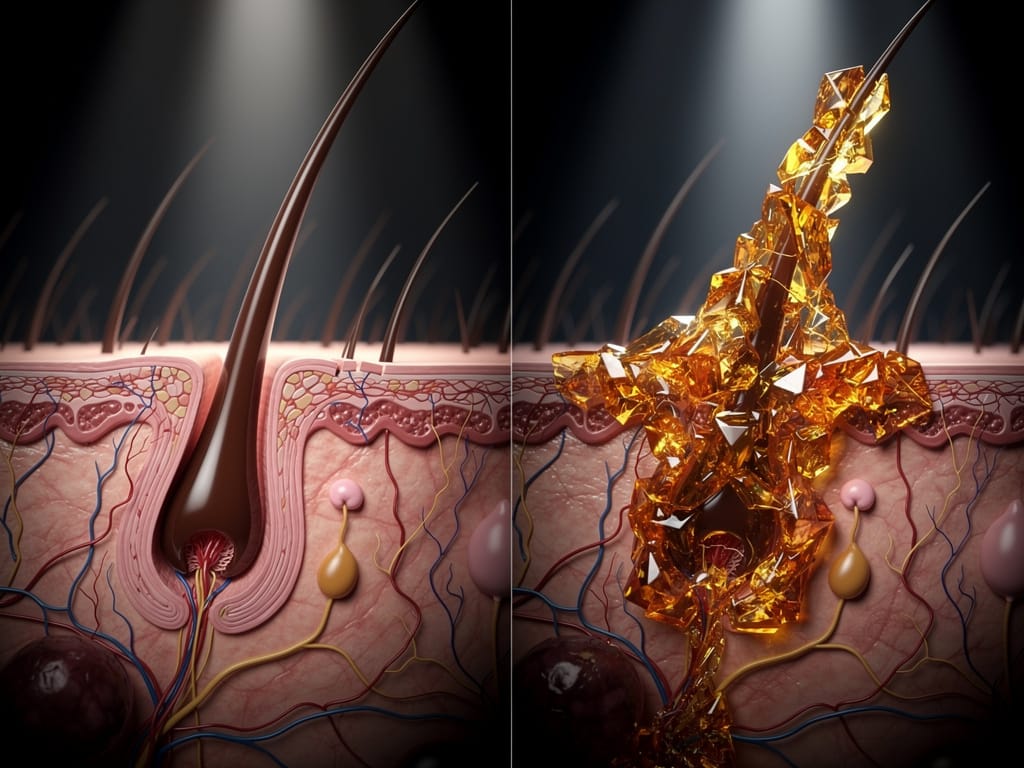
First, the stiffened collagen network physically constricts the follicle and the surrounding capillaries, effectively choking off its blood supply. Without adequate circulation, the follicle is starved of the building blocks it needs to produce a strong, healthy hair fiber. Second, the very collagen that is meant to anchor the hair root becomes brittle and weak. This leads to increased shedding, as the hair is no longer held securely in place. The result is a hostile environment where new growth is stifled and existing hair is compromised.
Reversing the Damage: An Anti-Glycation Plan
The good news is that this process isn't a one-way street. While we can't completely erase all A.G.E.s, we can dramatically slow their formation and support our body's ability to clear them. This is where mindful care becomes a powerful biological tool.
1. Address Your Diet
This is the foundation. Glycation is fueled by excess sugar. Reducing your intake of high-glycemic foods-refined sugars, white flour, processed snacks-is the single most effective step. Instead, focus on a diet rich in antioxidants found in colorful vegetables, berries, and green tea. These compounds help protect your cells from the oxidative stress that glycation generates.
2. Use Targeted Topicals
Modern hair science has identified ingredients that can intervene directly. Look for scalp serums containing compounds like carnosine, a dipeptide known for its powerful anti-glycation effects. Antioxidants like Vitamin C and Green Tea Polyphenols, when applied topically, also help neutralize the damaging free radicals produced by A.G.E.s, protecting the fragile environment around the follicle.
3. Reintroduce Movement
A rigid scalp needs to be reminded of its natural flexibility. Regular, vigorous scalp massage does more than just feel good. It physically helps to break down the stiffness in the dermal tissue and, most importantly, it manually stimulates blood flow. This surge of circulation brings fresh oxygen and nutrients to your starved follicles, creating an environment where hair can once again thrive.
Understanding scalp glycation moves us beyond the surface-level conversation of shampoos and conditioners. It demands that we look at our hair as part of a complex, interconnected system. The health of our scalp skin is a direct reflection of our internal metabolic health. It’s a long-term conversation, a commitment to nourishing your body from the inside out so that it can be expressed in the strength and beauty of your hair.
This isn't about chasing a fleeting trend; it's about biological respect. It’s about recognizing that the tension you feel in your scalp is a message, an invitation to look deeper. By addressing the root cause-the slow, silent hardening beneath the surface-you are not just saving your hair. You are participating in a profound act of self-care that honors the intricate connection between how you live and how you grow.