
Stop Scrubbing Your Flakes: The 2-Minute Test to Tell if Your Scalp is Dry or Truly Dandruff
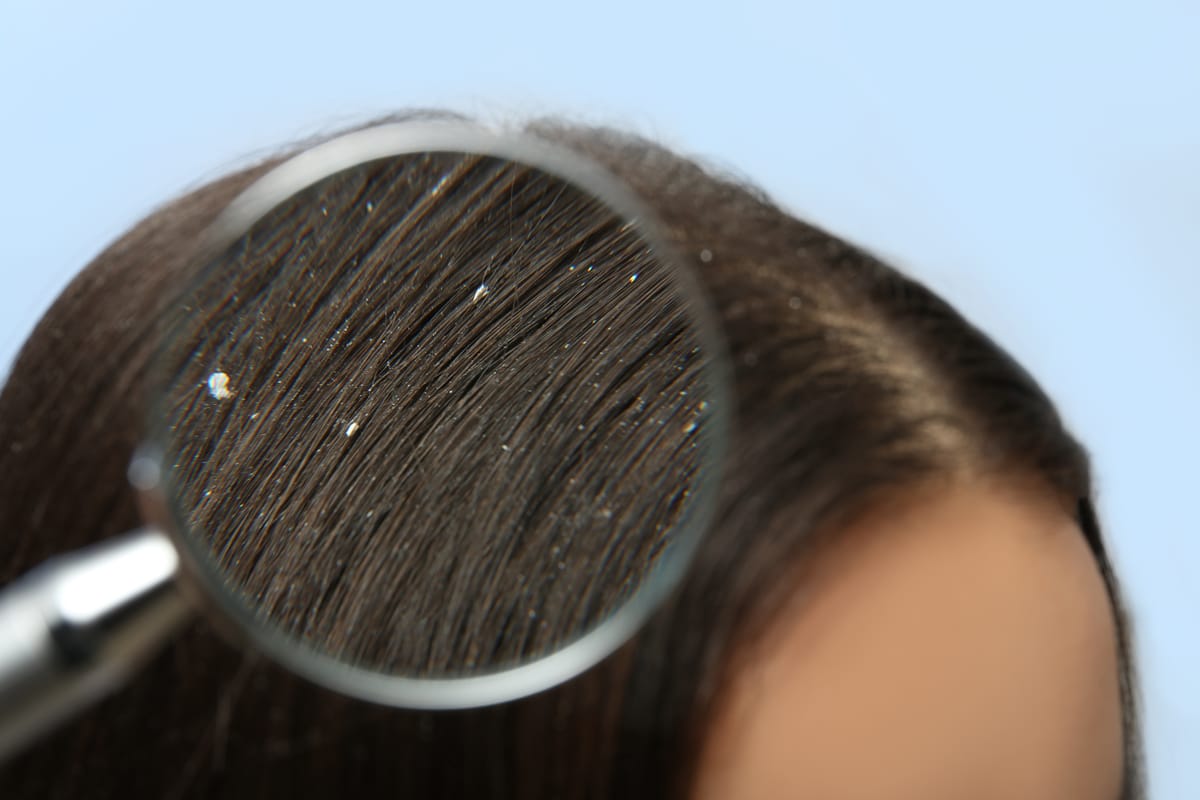
It is the middle of a Tuesday afternoon, you are wearing your favorite dark blazer, and you catch a glimpse of yourself in the mirror. There they are. Small, white flakes scattered across your shoulders like a light dusting of snow. Your first instinct is probably a mix of embarrassment and annoyance. You likely head straight to the store to buy the harshest, most "clinical" blue bottle of shampoo you can find.
I have seen this exact scenario play out thousands of times over my fifteen years in the industry. But here is the hard truth: most people who think they have dandruff are actually dealing with a simple case of dry scalp. Treating a dry scalp with a traditional dandruff shampoo is like trying to fix a sunburn by scrubbing it with a loofah. It is aggressive, it is painful, and it makes the problem ten times worse.
The beauty industry has done a great job of convincing us that "flakes equal dandruff." In reality, these are two very different biological conditions that require opposite treatments. If you want to stop the cycle of itching and flaking, you have to know exactly what you are fighting.
The 2-Minute Diagnostic Test
Before you wash your hair again, I want you to perform a quick "flake audit." It sounds a bit clinical, but it is the only way to be mindful about your scalp’s needs. Take a dark comb or even just your fingertips and gently scratch a small area of your scalp. Look closely at the flakes that fall out.
- Small, White, and Paper-Dry? If the flakes are tiny, easily blown away, and feel like dry skin, you have a dry scalp. Your scalp is simply thirsty. It lacks the natural oils and moisture needed to keep the skin barrier intact.
- Large, Yellowish, and Oily? If the flakes are larger, feel slightly greasy or waxy to the touch, and seem to "clump" together, you are likely dealing with true dandruff, also known as seborrheic dermatitis. This is often caused by an overgrowth of a yeast-like fungus called Malassezia, which feeds on excess oil.
This distinction is everything. A dry scalp needs more oil and less washing. Dandruff needs less oil and more frequent, targeted cleansing.
Why the "Drugstore Fix" Often Fails
Most traditional dandruff shampoos found in the US are formulated with zinc pyrithione or selenium sulfide. These ingredients are designed to kill fungus and strip away excess sebum. If you have true dandruff, they can be life-savers.
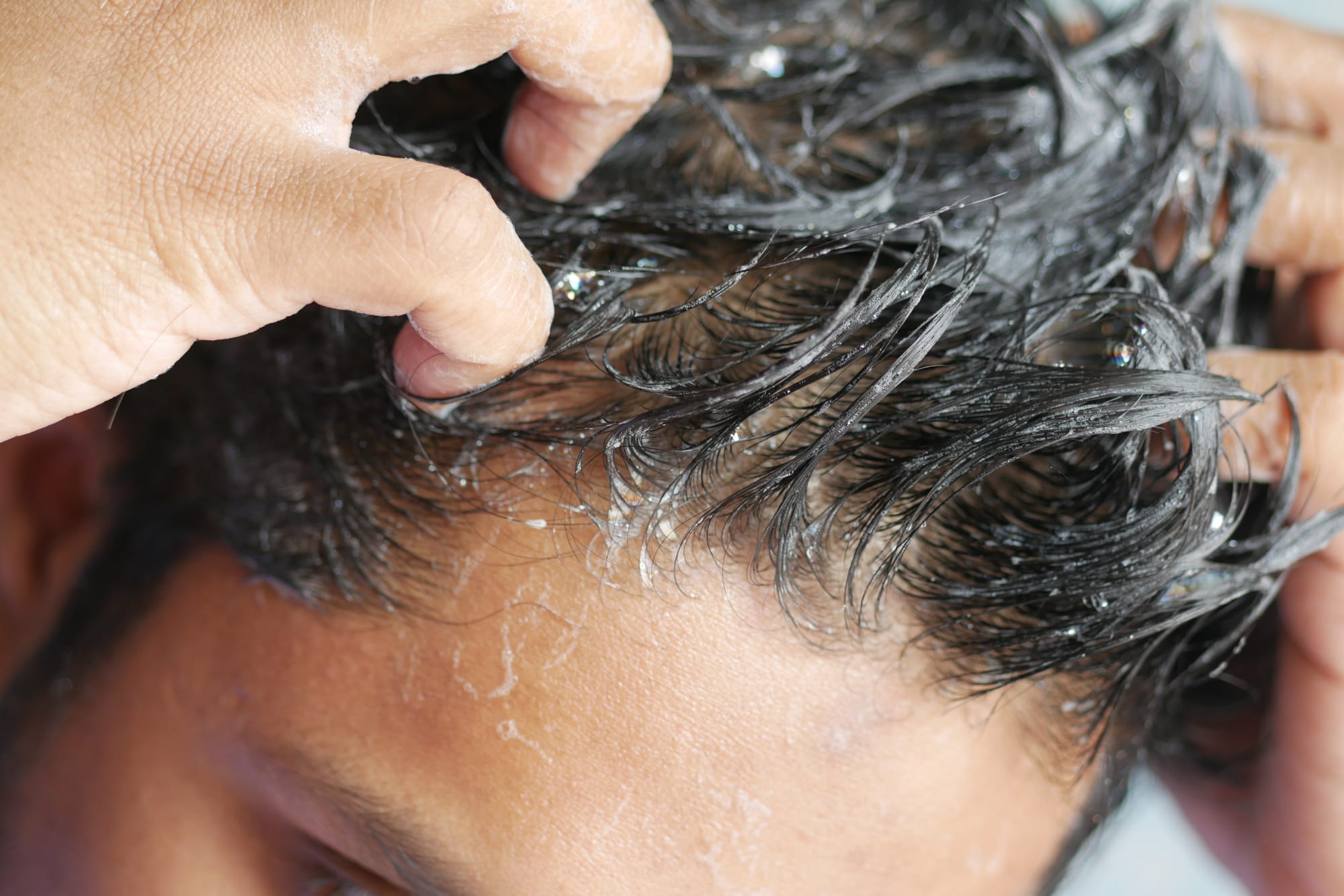
However, if your scalp is just dry, these ingredients are a disaster. They are incredibly drying. When you apply them to a scalp that is already struggling to produce enough oil, you strip away the tiny bit of protection it has left. Your scalp reacts by becoming even more inflamed, itchy, and—you guessed it—flaky. It becomes a vicious cycle where you wash more to get rid of the flakes, but the washing is what is causing them.
The Science of the Scalp Barrier
Your scalp is essentially an extension of the skin on your face, but it is much more complex. It has a higher density of hair follicles and sweat glands, and it is home to a delicate balance of bacteria and yeast. This is called the scalp microbiome.
When this microbiome is out of balance, the skin cells begin to shed more rapidly than they should. In a healthy state, your scalp replaces its skin cells about every 28 days. When there is irritation or fungal overgrowth, that process can speed up to just 7 to 10 days. Those "flakes" are simply skin cells that haven't had time to mature and detach properly.
You can read more about the biological mechanisms of the scalp microbiome and skin cell turnover to see how delicate this ecosystem really is. Once you understand that your scalp is a living environment, you stop treating it like a surface that just needs to be "cleaned."
How to Treat a Dry Scalp (The Mindful Way)
If your test revealed small, dry flakes, your goal is "moisture mapping." You need to put back what the environment, hard water, or over-washing has taken away.
- Space Out Your Washes: Every time you use a surfactant (shampoo), you disrupt the acid mantle of your scalp. Try to add at least one extra day between washes.
- The Pre-Wash Oil Treatment: Apply a few drops of a biomimetic oil—like jojoba or squalane—directly to your scalp 20 minutes before you shower. This acts as a buffer, preventing the shampoo from stripping your scalp bare.
- Check the Temperature: Hot water is the enemy of a dry scalp. It melts away the protective lipids that keep your skin hydrated. Stick to lukewarm water for your scalp, even if you like a hot shower for your body.
How to Manage True Dandruff
If your flakes are oily and yellow, your ritual needs to focus on balance and clarity.
- Cleanse Thoroughly: Unlike dry scalp, dandruff often requires more frequent washing to prevent oil from building up and feeding the fungus.
- Active Ingredients, Not Aggressive Scrubbing: Use a shampoo with salicylic acid to gently dissolve the flakes, rather than trying to scrub them off manually. Scrubbing an inflamed scalp only creates micro-tears that lead to further infection.
- Avoid Heavy Oils: If you have dandruff, avoid putting heavy pantry oils like coconut oil on your scalp. Malassezia thrives on these fats, and you will essentially be "feeding the beast."
A Final Thought on Patience
Whatever your result, remember that the scalp takes time to heal. You won't see a "flake-free" mirror overnight. It usually takes three to four weeks for the skin cell turnover to normalize once you have changed your routine.
Be observant. Be gentle. Stop treating your scalp like a problem to be solved with harsh chemicals and start treating it like a garden that needs the right kind of nourishment. Your hair quality depends entirely on the health of the soil it is growing in.