
The Acid Mantle Audit: How to Tell if Your 'Clarifying' Shampoo has Destroyed Your Scalp’s Natural Defense
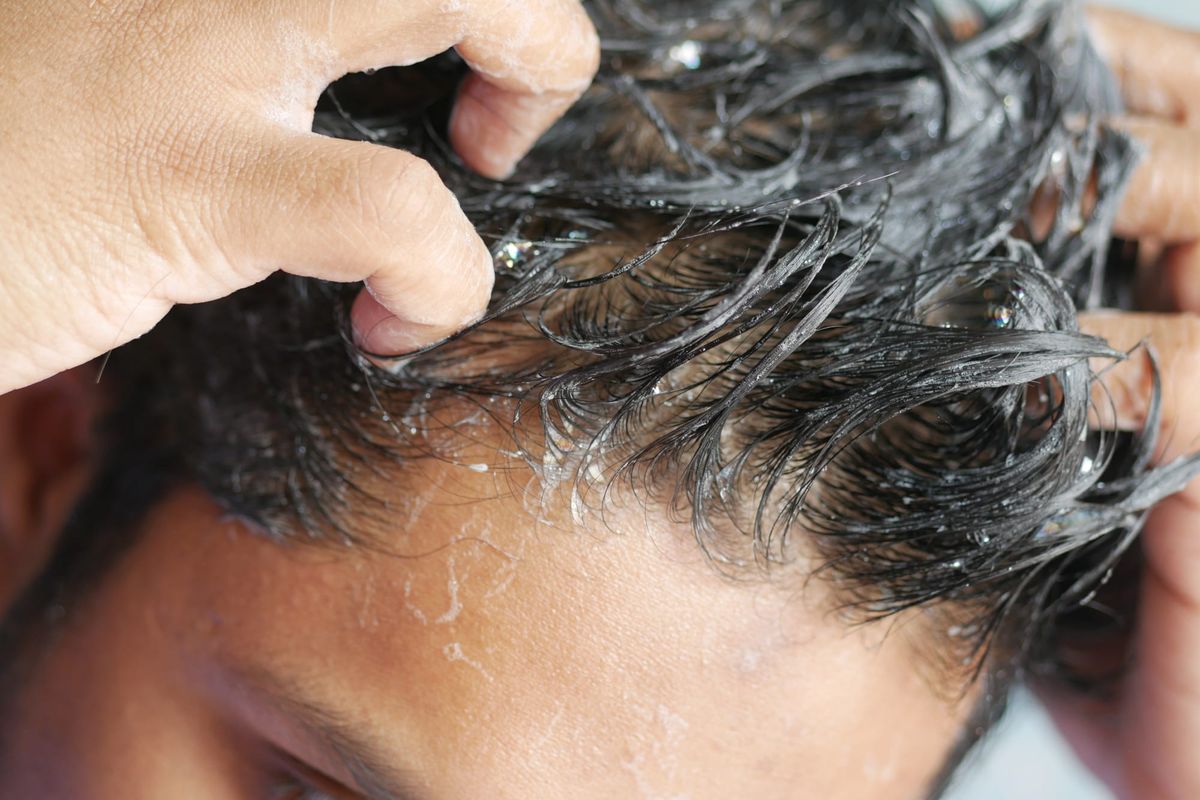
Let's have some real talk about that 'squeaky clean' feeling.
You know the one. After you use a heavy-duty clarifying shampoo, your hair feels almost... loud. Stripped bare.
We've been taught that this is the goal. That it means you've finally gotten rid of all that 'gunk'.
But what if I told you that feeling is actually a cry for help from your scalp? You might be stripping away something you desperately need.
So, What Exactly is an Acid Mantle?
Think of it as your scalp's invisible bodyguard. Seriously.
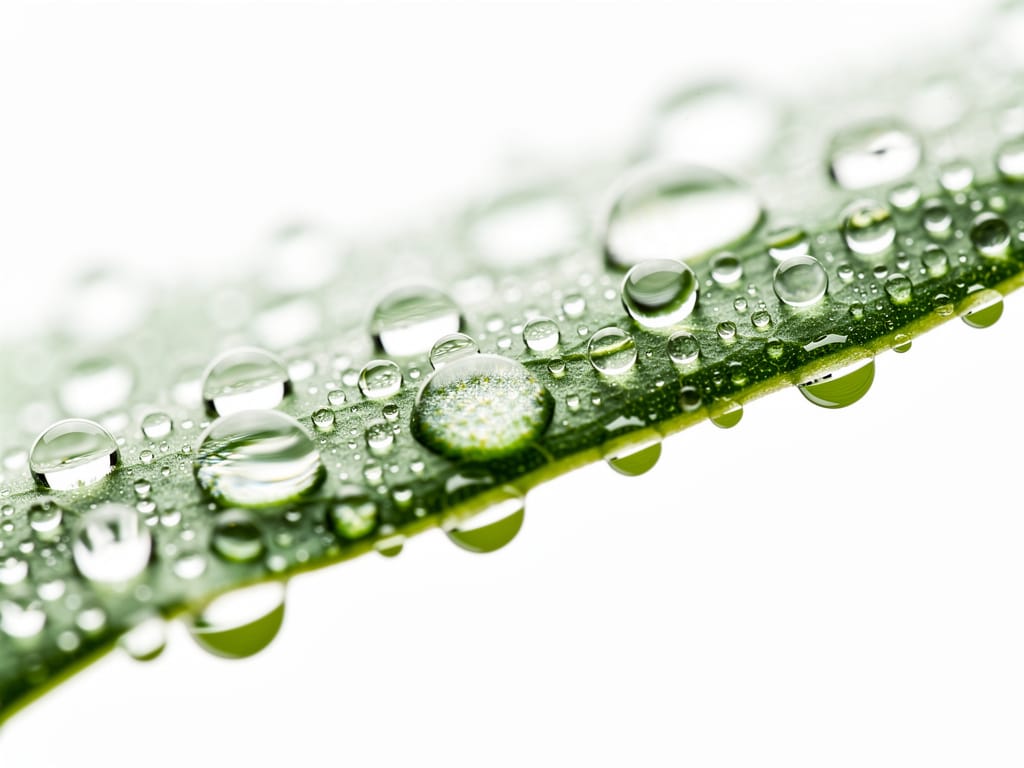
It’s a super thin, slightly acidic film on your skin's surface. It's made of sweat and sebum-your natural oils.
Its job is simple but huge: it keeps moisture in and bad bacteria out. It's your first line of defense against irritation and infection.
When it's happy, your whole scalp ecosystem is happy.
The 'Clarifying' Shampoo Problem
Here’s the tough truth. Many clarifying shampoos are the bullies of the hair care world.
They're designed to strip away product buildup, and they do that job very well. Too well, in fact.
They often use harsh detergents, like sulfates, that don't know the difference between old hairspray and your scalp's essential protective oils.
They just take it all. Leaving your scalp totally exposed and vulnerable.
It's All About pH Balance
Your scalp and its acid mantle thrive in a slightly acidic state, somewhere between a 4.5 and 5.5 on the pH scale.
Most strong clarifying shampoos are highly alkaline. They completely throw that delicate balance out of whack.
This alkaline state can make your hair cuticle swell and your scalp freak out. It's a recipe for disaster.
The Red Flags: An Acid Mantle in Crisis
So how do you know if you've gone too far? Your scalp will absolutely tell you. You just have to listen.
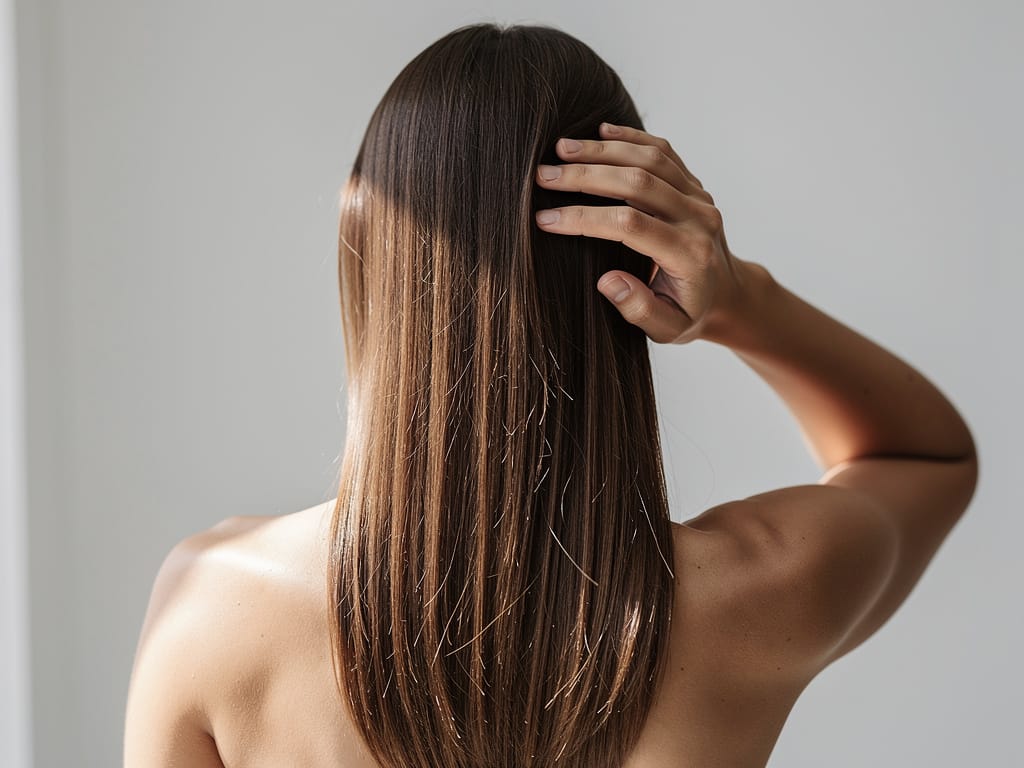
Here are the biggest signs that your acid mantle has been compromised:
- That Unrelenting Itch. We’re talking about persistent, annoying itchiness and even flaking that isn't classic dandruff. It's your skin telling you it's painfully dry and irritated.
- The Sudden Oil Slick. Does your hair get greasy a day after you've deep-cleaned it? That's your scalp in panic mode, overproducing oil to try and replace the barrier that was just stripped away.
- Dry, Brittle Hair. If your scalp isn't healthy, it can't grow healthy hair. When the cuticle is damaged from high pH products, your strands lose moisture, becoming weak and prone to snapping.
- A Sensitive, Angry Scalp. Is your scalp suddenly red, tender, or sore to the touch? That's inflammation. It's a direct sign that its defenses are down.
- Breakouts Along Your Hairline. When the acid mantle is gone, bacteria can have a field day. This can lead to pimples and irritation where your hair meets your skin.
How to Heal Your Scalp's Shield
Okay, don't panic. You can absolutely fix this. It just takes a little more gentleness and intention.
This isn't about buying a million new products. It's about shifting your approach.
Step 1: Re-evaluate Your Shampoo
Put that harsh clarifying shampoo at the back of the cabinet. For now, at least.
Look for cleansers that are labeled 'sulfate-free' and, if you can find it, 'pH-balanced'. These are designed to clean without stripping.
Step 2: Wash Less Often
I know, this can be a scary thought if you're dealing with rebound oiliness.
But giving your scalp an extra day or two between washes allows it to naturally rebuild that precious acid mantle.
Step 3: Use Soothing Ingredients
Look for products with ingredients known to calm inflammation.
Things like aloe vera, chamomile, green tea extract, or even a simple apple cider vinegar rinse (properly diluted!) can help restore your scalp's preferred acidic pH.
Your hair care isn't a battle. It's a partnership with your body.
Forget the 'squeaky clean' myth. Let's aim for balanced, healthy, and truly happy hair, starting from the root.