The 'Altitude' Shift: Why Rotating Your Ponytail Height is the Secret to Ending Mid-Shaft Breakage
Hey, let's chat. Grab your coffee. I want to talk about something we all do without a second thought: the trusty ponytail. It's our go-to, right? The quick fix for busy mornings, sweaty workouts, or just getting hair out of our face. But what if I told you that your favorite, comfortable ponytail spot might be the secret saboteur behind that frustrating breakage you're seeing? It's true. And the fix is so much simpler than you think.
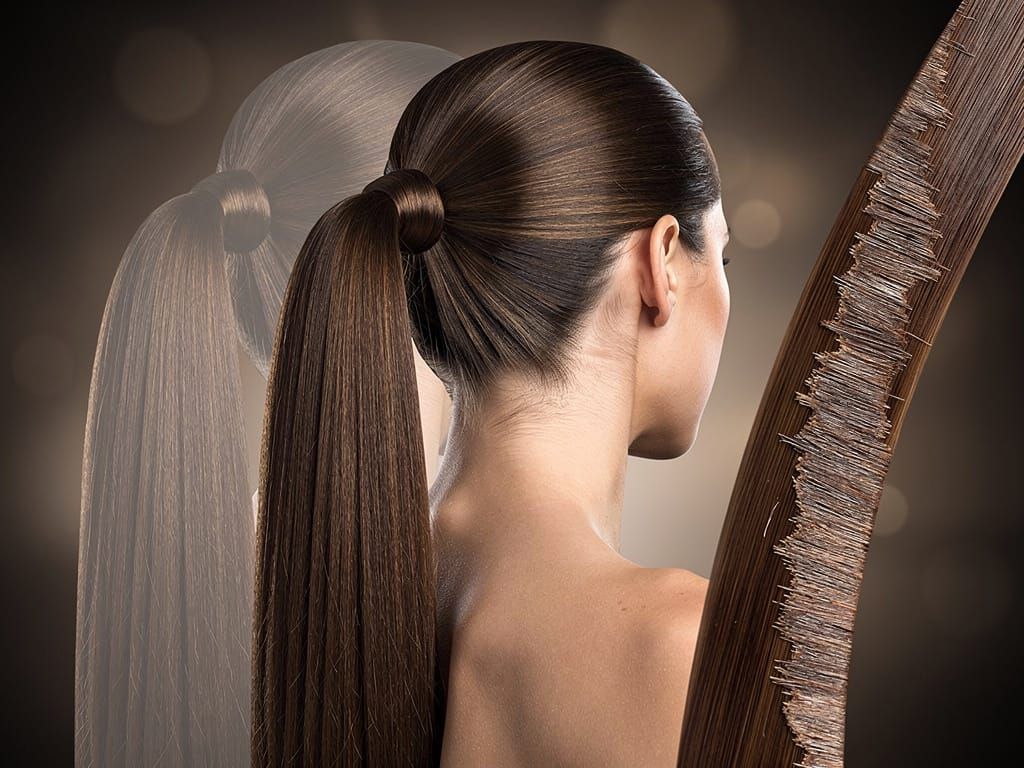
You know those little flyaways and shorter pieces you find around the middle of your hair length? That's often mid-shaft breakage. It’s not from the ends splitting; it’s your hair literally snapping in the middle. The biggest culprit is often mechanical stress - a fancy term for physical damage. And your daily ponytail is a prime suspect. Think about it: every single day, you're putting pressure on the exact same line of hair. This creates a weak point, a crease that gets worn down over and over. It's like folding a piece of paper in the same spot until it rips. Your hair is doing the same thing.
So, what's happening at that ponytail line?
- Constant Tension: The elastic band cinches the hair shaft, creating a point of high stress.
- Friction Fatigue: Every time you move your head, the hair rubs against the tie, wearing down the cuticle.
- Compromised Structure: Over time, this repeated stress weakens the hair's internal structure, making it brittle and prone to snapping.
It’s a sneaky kind of damage because it happens so gradually you barely notice... until you do.
The Physics of a Ponytail
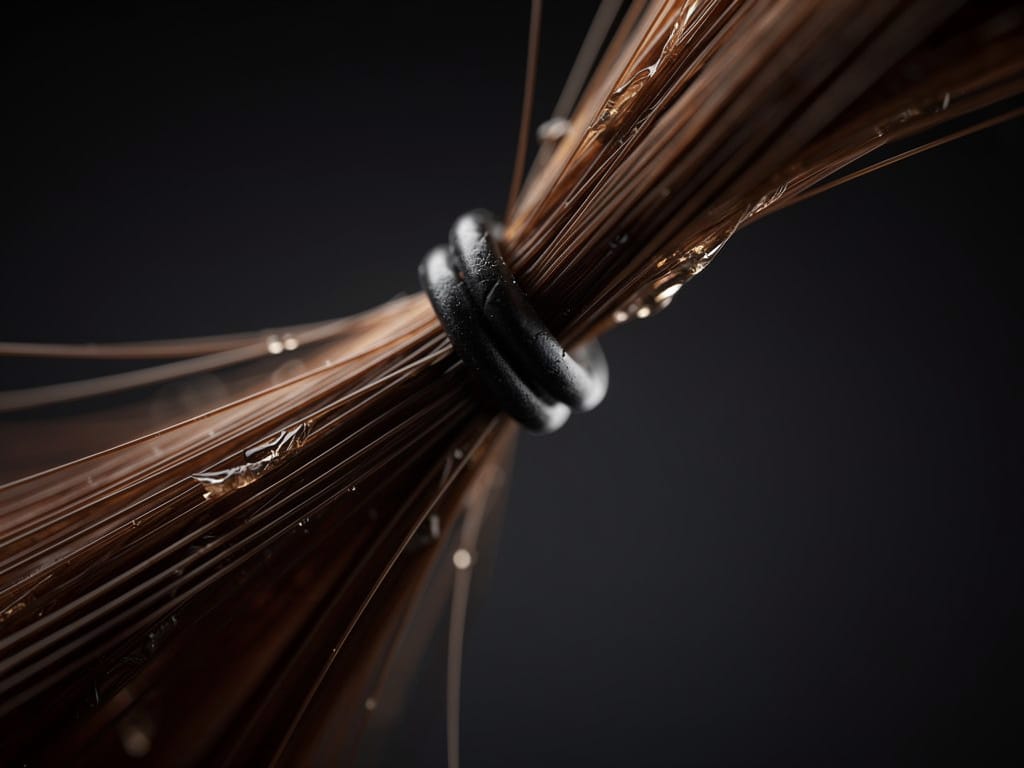
It really does come down to simple physics. When you gather your hair, the band acts like a fulcrum. The weight of your hair pulls down, while the band holds it tight against your scalp. This creates an incredible amount of focused tension right at that tie-point. Day in and day out, on that same spot? It's a recipe for disaster. The outer layer of your hair, the cuticle, gets roughed up and eventually breaks, exposing the weaker core. That’s when the snap happens.
The 'Altitude' Shift: Your Simple Solution
Okay, so enough with the bad news. Here's the good news, and honestly, it's a game-changer. The secret is to simply change your ponytail's 'altitude.' By rotating where you place your ponytail each day, you distribute that stress across different parts of your hair. You're giving that one overworked spot a much-needed break. It's not about giving up ponytails; it's about making them work for your hair health, not against it.
The High Pony
Think Ariana Grande, but maybe a little looser for daily wear. A high pony, placed at the crown of your head, is great for keeping hair completely off your neck. It shifts the tension point way up. Just be mindful not to pull it too tight, as this can cause stress on your hairline (traction alopecia is a real thing!). Save the super-sleek, tight high ponies for special occasions.
The Mid-Level Classic
This is probably your go-to. It sits right at the back of your head, in line with the tops of your ears. It's comfortable and versatile. But because it's so easy, it's the one that often gets overused. If this is your default, make a conscious effort to move it up or down the next day. Don't let this be your only 'altitude'.
The Low Nape Pony
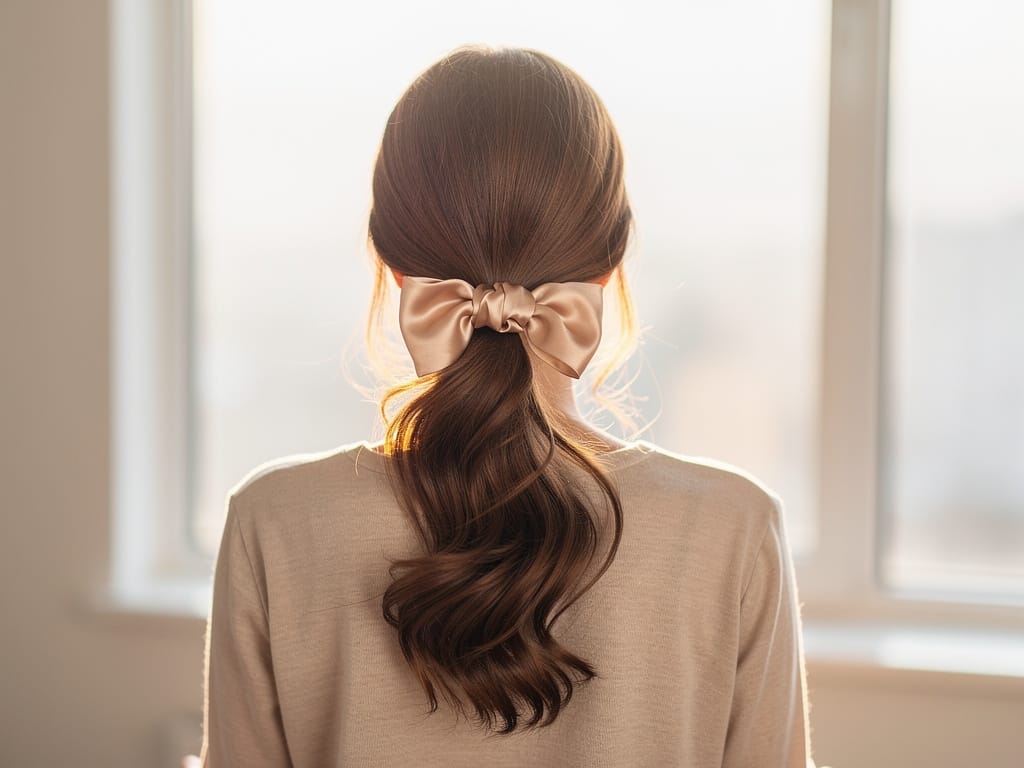
My personal favorite for a gentle, chic look. A low ponytail, tied at the nape of your neck, puts the least amount of tension on your hair shafts and scalp. It's perfect for casual days, sleeping (if you must tie your hair up), and giving your hair a serious rest. Pair it with a silk scrunchie, and your hair will thank you.
So, the plan is beautifully simple: just mix it up. Don't let your hair get stuck in a rut. Today a low pony, tomorrow a mid-level one. Maybe a loose top knot the day after. You're essentially creating a rotation that prevents any single section of your hair from bearing the brunt of the tension.
And while we're on the subject, let's talk accessories. Please, I'm begging you, throw out those old-school elastics with the metal clasps. They are hair-snapping machines. Opt for something kinder. Think soft, fabric-covered ties, spiral cord ties, or best of all, pure silk or satin scrunchies. They glide over the hair instead of gripping and ripping it.
Also, a quick but important reminder: never, ever tie your hair up when it's wet. Your hair is at its most fragile and elastic when it's wet, and cinching it with a band is practically an invitation for breakage. Let it air-dry or gently blow-dry it before you pull it back.
This isn't about adding complicated steps to your routine. It's the opposite. It's about bringing a little awareness, a little mindfulness, to a habit you already have. It's about treating your hair with the same kindness and attention you give your skin. Your hair is a living fiber, a reflection of your care. By making this one tiny shift in 'altitude,' you’re sending a powerful message of care from the root all the way to the end.