
The Commute Snap: How Your Car’s Headrest is Quietly Filing Down Your Hair Volume

The low hum of the engine. The familiar scent of coffee in the cup holder. The rhythmic thump-thump of tires on pavement. You’re settled in for the daily commute, a routine so ingrained it’s almost meditative. Your head rests back, a small comfort in the stop-and-go traffic. But there’s another rhythm at play, one you can’t hear or immediately feel. It's the whisper-soft scrape of your hair against the textured fabric of the headrest. A thousand tiny movements, a thousand microscopic snags with every turn and every tap of the brake.
It’s a silent conversation between your hair and your car seat, and it’s not a friendly one. You might notice it later, as a halo of frizz at the back of your head or a collection of short, broken strands on your car seat when the sun hits it just right. This isn’t random shedding; it’s a mechanical process, a slow-motion erosion of your hair’s strength and volume. It’s the commute snap, and it’s happening every single day.
What exactly is happening to my hair during my commute?
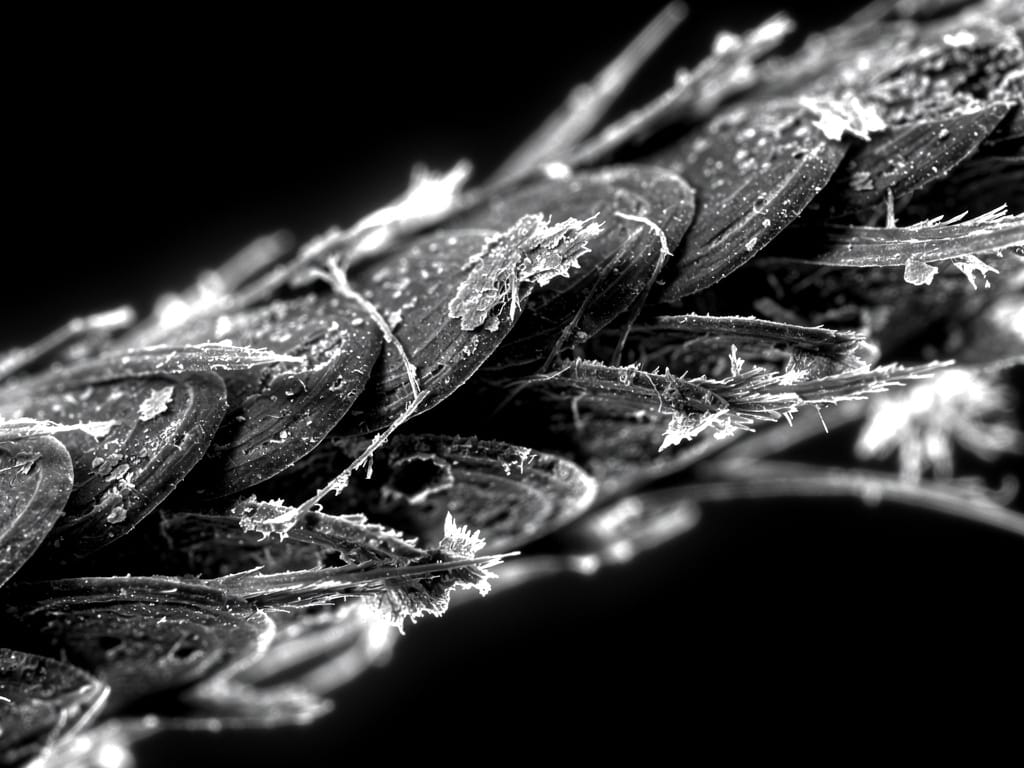
Are you wondering about the science behind this stealthy damage? It’s a form of mechanical stress known as friction alopecia. Every time your head moves, your hair shafts rub against the headrest. This constant, repetitive friction acts like a very fine-grit file, gradually wearing away the protective outer layer of your hair, the cuticle. Imagine a strong rope being rubbed against a brick wall- over time, even the strongest fibers will begin to fray and weaken. The same principle applies to your hair.
This persistent abrasion lifts and chips away at the cuticle scales, leaving the inner cortex exposed and vulnerable. The result is hair that not only breaks more easily but also loses its shine and smoothness. The back of your head, the area in constant contact with the seat, often bears the brunt of this damage, leading to a noticeable reduction in density and volume that can be mistaken for other forms of hair loss.
But isn't the headrest fabric soft enough?
You might think the standard cloth or even leather in your car is harmless. It feels smooth to the touch, so how could it possibly cause such damage? The issue isn't about a single, aggressive pull; it’s about the cumulative effect of thousands of micro-interactions. On a microscopic level, these fabrics have a distinct texture- a weave of fibers that can catch and snag individual hair strands.
Think about the sheer number of movements your head makes during a drive. You check your mirrors, lean into a turn, brake for a light. Each action creates friction. Over a thirty-minute commute, five days a week, this adds up to hundreds of hours of contact per year. The seemingly soft surface becomes an abrasive force through sheer repetition, methodically weakening your hair from the root to the mid-shaft, exactly where it makes the most contact.
Which hair types are most at risk from this 'commute snap'?
Is your hair type safe from this effect? While all hair is susceptible to friction damage, some types are certainly more vulnerable. Hair that is fine in texture has a smaller diameter and less structural integrity, making it snap more easily under this kind of persistent stress. You may notice this as a persistent 'crown frizz' or what looks like a layer of baby hairs that never seem to grow out.
Curly and coily hair types are also at high risk. The natural bends and turns in the hair shaft create raised cuticle points that are more prone to catching on fabric fibers. This can lead not only to breakage but also to increased frizz and a disruption of your natural curl pattern. However, even those with thick, straight hair should not feel immune. The constant friction will still abrade the cuticle, leading to a loss of luster and compromised strength over time.
So, how can I protect my hair from the headrest?
How do you fight back against this invisible aggressor? The solution lies in creating a frictionless barrier. The most effective strategy is to invest in a silk or satin headrest cover. These materials have a smooth, tight weave that allows your hair to glide over the surface without snagging, dramatically reducing friction. It’s a small change to your car’s interior that makes a huge difference for your hair’s long-term health.
Your choice of hairstyle also plays a significant role. Securing your hair in a high bun or a pineapple style lifts the bulk of your hair up and away from the headrest. A loose braid gathered to one side can also minimize contact. For maximum protection, consider wearing a silk scarf, turban, or bonnet during your commute. It might feel a bit extra at first, but treating your hair with this level of intention is the core of mindful hair care- protecting it not just in the salon, but in every part of your daily life.