
The Ferritin Factor: Why Your Hair Is Thinning Despite Your Best Efforts
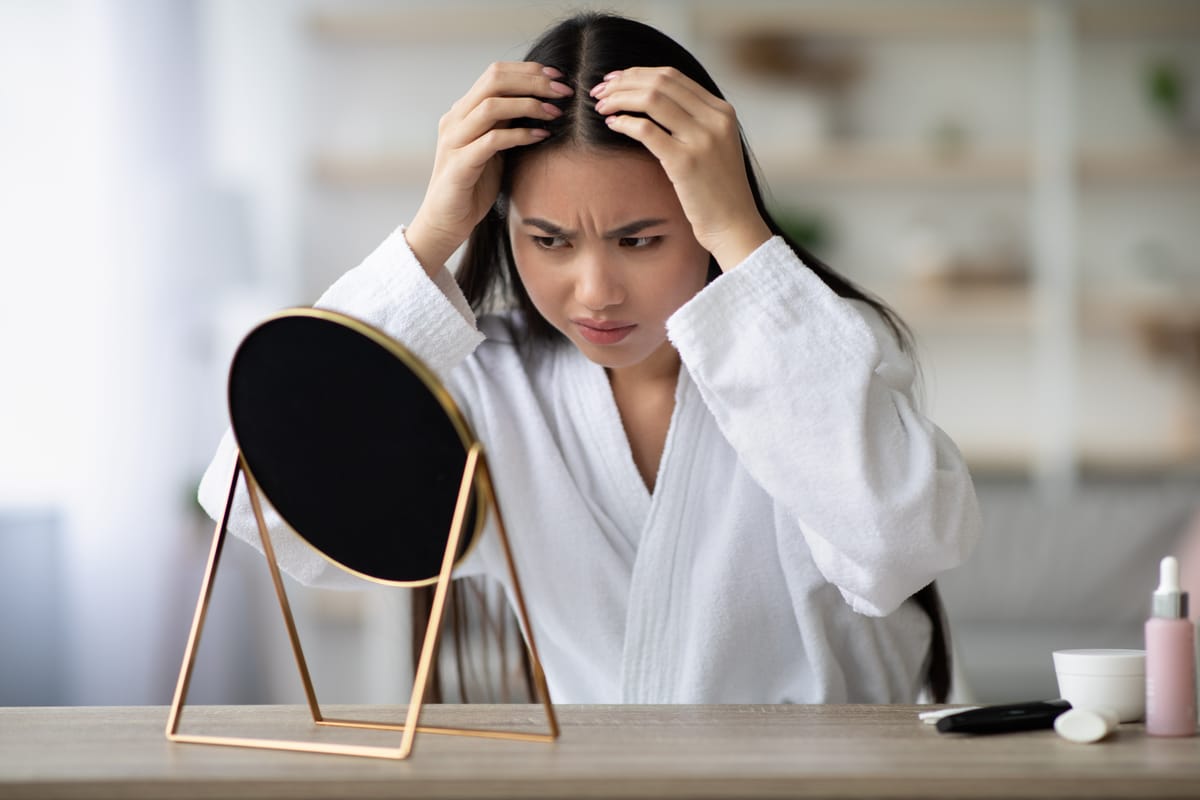
I have spent the last fifteen years talking to women about their hair, and there is one conversation that happens more than any other. It usually starts with someone in her late thirties or early forties sitting across from me, looking genuinely distressed. She will say, "I am doing everything right. I am using the scalp serums, I have the silk pillowcase, and I am eating my greens, but my ponytail feels like it is half the size it was three years ago."
When we reach this age bracket, we are often told that thinning is just a natural part of "getting older" or "hormonal shifts." While those factors do play a role, there is a silent culprit that I see overlooked constantly: iron. Specifically, a protein called ferritin.
If you want to understand why your hair is suddenly acting like it is on a permanent vacation, you have to understand how your body prioritizes its resources. Your hair is an incredibly demanding organ, but in the grand scheme of your survival, it is completely non-essential. It is a luxury. And when your "internal bank account" is low, the hair is the first thing the body stops investing in.
The "Savings Account" of Your Scalp
Most people think of iron only in terms of anemia, but for hair health, the focus needs to be on ferritin. Think of iron as the cash you have in your pocket for daily expenses, and ferritin as your long-term savings account. Ferritin is a blood protein that stores iron and releases it when your body needs it.
Your hair follicles require a massive amount of energy and iron to keep the "growth phase" (the anagen phase) going. When your ferritin levels drop, your body starts a "redistribution program." It pulls iron from non-essential stores-like your hair follicles-to make sure your heart, brain, and lungs have enough to function.
The result? Your hair follicles are essentially forced into an early retirement. They stop producing hair, the growth cycle is cut short, and you start seeing more shedding and a noticeable loss of density. The most frustrating part is that your standard blood tests might come back as "normal" because you aren't technically anemic yet, but your ferritin could be far too low to support healthy hair growth.
Why Women 35+ are the Primary Target
There is a reason this hits us particularly hard in our thirties and forties. Between decades of monthly cycles, the physical toll of pregnancies, and the often frantic pace of our professional and personal lives, our iron stores take a beating.
I have seen so many women try to "lifestyle" their way out of this with more expensive shampoos, not realizing that the "factory" beneath their scalp has run out of raw materials. If you are feeling chronically tired, experiencing "brain fog," or noticing that your nails are becoming brittle alongside the hair thinning, your body is screaming at you to check your stores.
How to Spot the Ferritin Fade
It is not always about clumps of hair in the drain. Sometimes, the signs are more subtle:
- The Vanishing Ponytail: You notice you have to wrap your hair tie three times instead of two.
- Loss of "Snap": Your hair feels limp and loses its natural elasticity.
- Slow Growth: You realize you haven't needed a trim in months because your hair simply isn't gaining any length.
- Changes in Texture: The hair feels finer or "wispy," especially around the temples and the hairline.
If these sound familiar, it is time to look at your internal chemistry. You can find a deeper dive into the specific relationship between iron deficiency and non-scarring hair loss to understand just how vital these levels are for follicle performance. It is one of the most well-documented connections in the world of trichology, yet it is rarely the first thing we talk about in the salon.
Actionable Steps: Rebuilding Your Stores
The good news is that this is reversible. Once your body feels "wealthy" enough in iron again, it will gladly start reinvesting in your hair. But it takes time and intention.
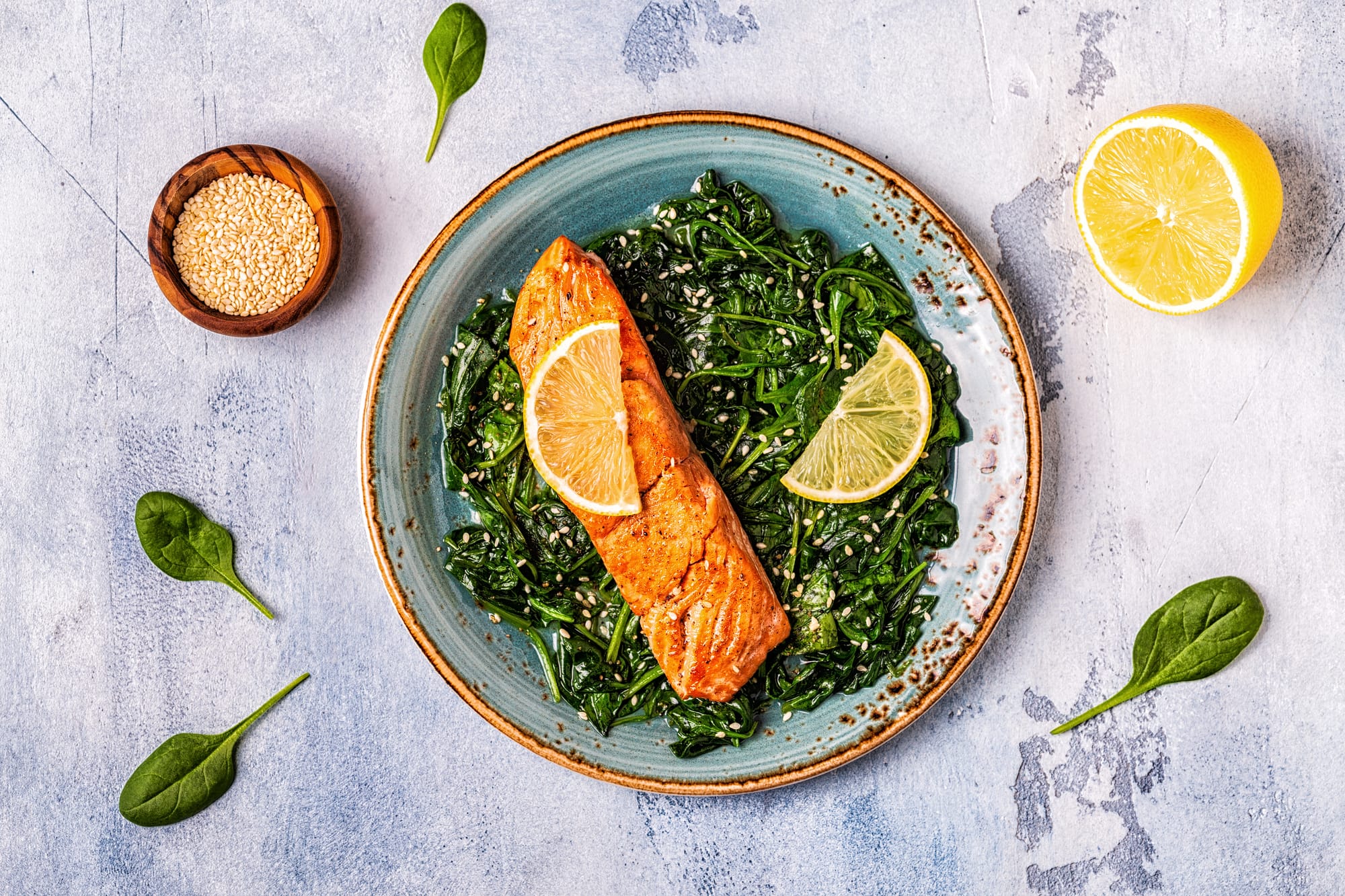
1. The "Bioavailability" Hack Not all iron is created equal. Heme iron (from animal sources) is much more easily absorbed than non-heme iron (from plants). If you are plant-based, you have to be even more strategic. Always pair your iron-rich foods-like lentils, spinach, or pumpkin seeds-with a high dose of Vitamin C. A squeeze of lemon on your salad or a side of bell peppers can triple the amount of iron your body actually absorbs.
2. Watch the "Iron Thieves" This is a hard one for many of us, but caffeine and calcium are notorious for blocking iron absorption. If you are taking a supplement or eating a high-iron meal, wait at least an hour before having your coffee or tea. The tannins in tea are particularly aggressive at "binding" to iron and carrying it right out of your system before it can reach your follicles.
3. Test, Don't Guess Don't just start taking high-dose iron supplements on a whim. Too much iron can be just as problematic as too little. When you get your routine wellness checks, specifically ask to see the number for your ferritin, not just your hemoglobin. For many women, "normal" starts at a very low number, but "optimal for hair" is often much higher.
4. The 6-Month Rule Patience is the most important part of this ritual. Because of the hair growth cycle we talked about in previous posts, it takes months for the "factory" to start back up. You likely won't see the density return for at least four to six months after your levels have stabilized. Stay the course.

Mindful Consistency
Hair care is often sold to us as a series of external fixes, but the most profound changes happen when we treat our bodies with the respect they deserve. If your hair is thinning, don't just reach for a volumizing spray. Listen to what your body is trying to tell you about its internal stores.
When you provide the right environment and the right nutrients, your hair has an incredible capacity to bounce back. It is about moving from a state of "survival" to a state of "abundance." Your hair isn't just an accessory; it is a reflection of your vitality. Treat the root cause, and the shine will follow.