
The "Friction Audit": Why Your High-Performance Serum Can't Outrun Your Rough Cotton Pillowcase
The ritual is almost sacred. You stand before the mirror, the bathroom lights casting a soft glow. In your palm, you dispense a few drops of a meticulously researched, beautifully formulated hair serum-a potent elixir that cost a pretty penny and promises to seal split ends, fight frizz, and restore shine. You work it carefully through your damp strands, from mid-lengths to ends, imagining each hair cuticle being smoothed and fortified. Feeling satisfied, you turn off the light and slip into bed, laying your head down on that crisp, cool, familiar cotton pillowcase. And right there, in that simple, unconscious act, the sabotage begins.
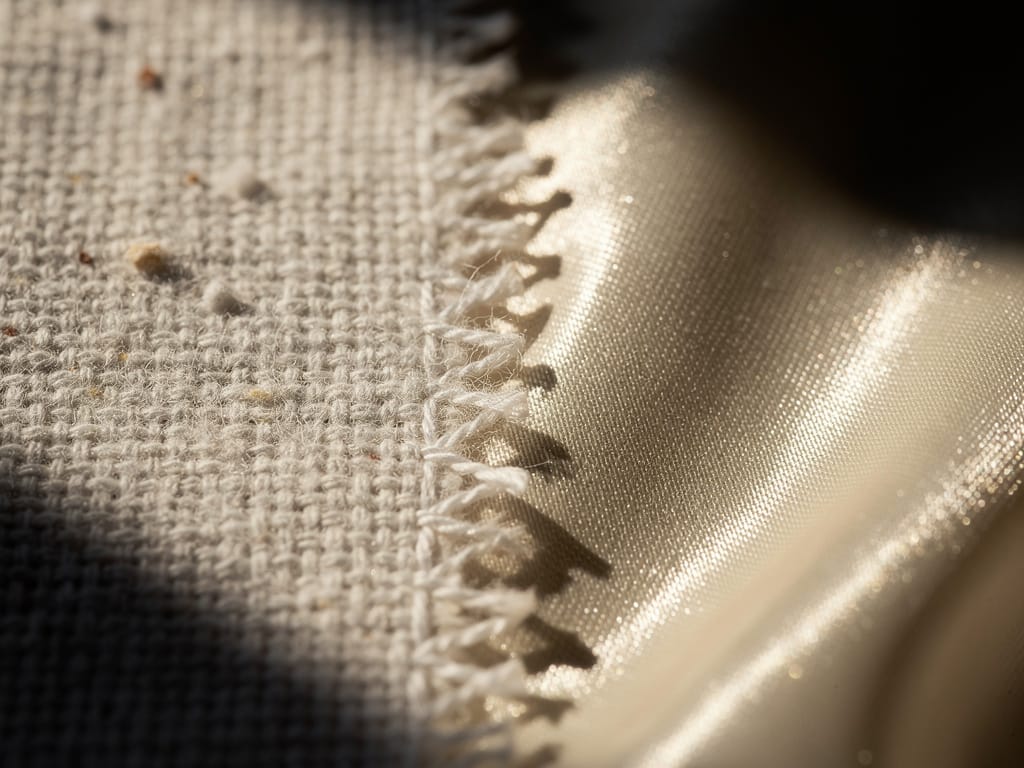
For the next eight hours, that high-performance serum is locked in a battle it cannot win. Every time you shift, turn, or dream, your hair is being dragged across a surprisingly abrasive surface. While your serum is working to smooth and protect, the coarse fibers of your cotton pillowcase are actively working against it, creating friction that lifts the hair's cuticle, causes micro-fractures, and leaches out the very moisture you're trying to lock in. It’s a classic case of one step forward, two steps back, played out on your pillow every single night.
This is where the concept of a "Friction Audit" becomes essential to a truly mindful hair care routine. It’s an invitation to look beyond the bottle and consider the physical environment your hair interacts with. We invest so much in products-the 'what'-that we often forget to analyze the impact of surfaces-the 'where'. True, lasting hair health isn't just about applying the right ingredients; it’s about creating a gentle, low-friction ecosystem where those ingredients can perform their job without being immediately undone by mechanical stress. Your hair is a delicate fiber, and treating it as such requires a 360-degree approach.
- High-performance hair products require a supportive, low-friction environment to be truly effective.
- Nightly friction from abrasive surfaces like cotton pillowcases is a primary cause of mechanical damage, including frizz, tangles, and split ends.
- A "Friction Audit" is the practice of identifying and minimizing all sources of physical stress on your hair, from bedding to towels and accessories.
- Protecting your hair from mechanical damage is just as important as nourishing it with products for achieving long-term health.
Frequently Asked Questions
What exactly is mechanical hair damage?
Mechanical damage is any physical harm done to the hair shaft that isn't caused by chemicals or heat. Think of it as wear-and-tear. It happens when your hair is subjected to friction, tension, or rubbing. This physical stress gradually chips away at the hair's protective outer layer, known as the cuticle, which resembles overlapping shingles on a roof. When these 'shingles' are lifted or broken off, the hair's inner core is exposed, leading to moisture loss, weakness, split ends, and a dull, rough appearance.
The culprits are often everyday habits we don't think twice about. Vigorously rubbing your hair with a coarse bath towel, pulling it into a tight ponytail with a harsh elastic, or simply sleeping on a standard pillowcase all contribute to this cumulative damage. It’s a slow erosion of your hair’s integrity, strand by strand.
Is a cotton pillowcase really that bad for my hair?
In a word, yes. At a microscopic level, cotton fibers are quite rough and create a high-friction surface. As you move during sleep, your hair snags and drags against these fibers, disturbing the cuticle and causing tangles and frizz by morning. This is especially damaging for those with delicate, color-treated, or naturally curly and coily hair types, which are already more prone to breakage and dryness.
Furthermore, cotton is a highly absorbent material. It acts like a sponge, pulling moisture not only from your skin but also directly from your hair shaft. This process can dehydrate your strands overnight and even absorb the expensive serums and leave-in conditioners you just applied, rendering them less effective. Essentially, a cotton pillowcase can dehydrate and physically rough up your hair while you sleep.
If I switch to a silk or satin pillowcase, can I stop using serums?
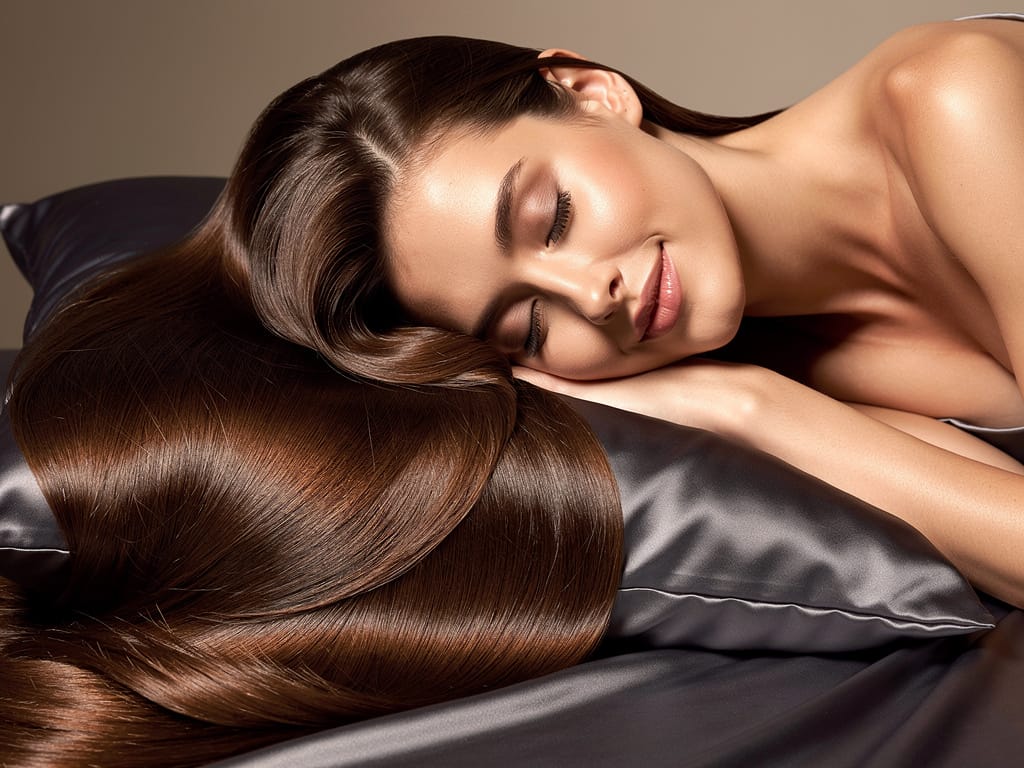
That would be missing the point of a holistic routine. It's better to think of a silk or satin pillowcase and a hair serum as a powerful team working toward the same goal. The pillowcase provides the defensive strategy; its smooth surface creates a low-friction environment that prevents damage from happening in the first place. It’s your hair's protective shield against the mechanical stress of tossing and turning.
The serum, on the other hand, is your offensive strategy. It works to nourish, hydrate, repair, and seal the hair cuticle from within and on the surface. The pillowcase ensures the serum can do its job without being undermined or literally rubbed away. Using both together means you are protecting your hair from external aggressors while actively improving its internal condition.
What other sources of friction should I look for in my 'Friction Audit'?
Your pillowcase is the biggest offender because of the prolonged contact, but friction points exist throughout your day. Start with your bath towel. Are you rubbing your hair dry? Switch to gently squeezing and patting with a soft microfiber towel or an old t-shirt to minimize cuticle disruption. Examine your hair ties-are they thin elastics with metal clasps that snag and break strands? Opt for gentle options like silk or satin scrunchies, spiral hair ties, or claw clips.
Also, consider the clothes you wear. A rough wool coat collar or a canvas backpack strap that constantly rubs against your hair can cause significant breakage over time. The goal of the audit is to cultivate awareness. Once you start noticing these friction points, you can make small, simple adjustments that collectively lead to a massive reduction in mechanical damage and a major improvement in your hair's long-term health.