
The Hard Water Reality: Why Your Luxury Shampoo Isn’t Lathering
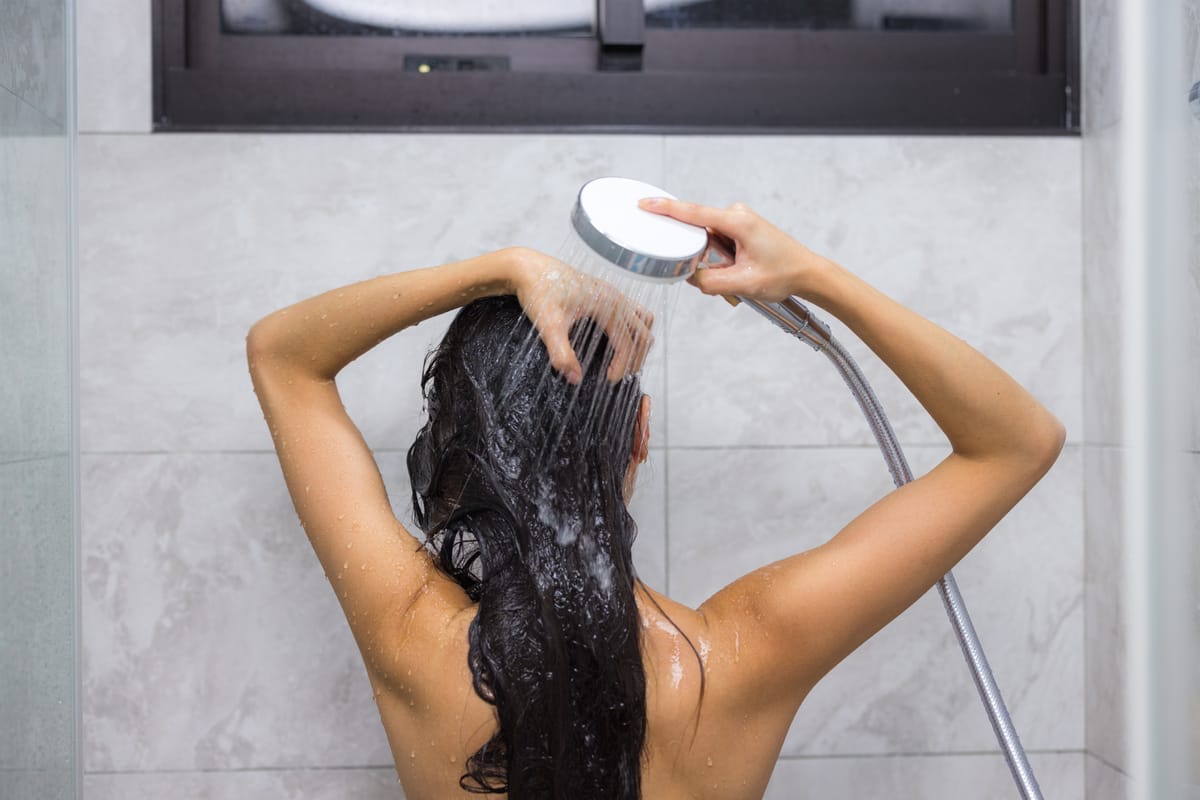
You just spent sixty dollars on a high-end, sulfate free shampoo that every influencer is raving about. You get in the shower, wait for that rich, spa-like lather, and... nothing. Instead, your hair feels like straw while it is still wet, and no matter how much conditioner you pile on, the ends stay crunchy while the roots feel weirdly waxy. If this sounds familiar, I have some news for you: it is probably not your products. It is your water.
I have been in this industry for over fifteen years, and I have seen more "hair tragedies" caused by plumbing than by bad styling tools. In the US, about 85 percent of homes have what we call hard water. This means your tap is pumping out high concentrations of minerals like calcium and magnesium. While those might be fine for your body to process, they are a nightmare for your hair and scalp.
Think of it like this. Every time you wash your hair with hard water, you are essentially giving it a mineral bath that never quite rinses off. These minerals create a literal film-a barrier-around each strand. This film prevents moisture from getting in and stops your expensive products from doing their job. It is a cycle of frustration that most people try to solve by buying even more products, when what they really need is a strategy shift.
The Invisible Film: What Is Actually Happening?
When calcium and magnesium meet the fatty acids in your shampoo, they create something called "soap scum." It is the same white film you see on your shower glass or your faucets. Now, imagine that same film coating your scalp and your delicate hair follicles.
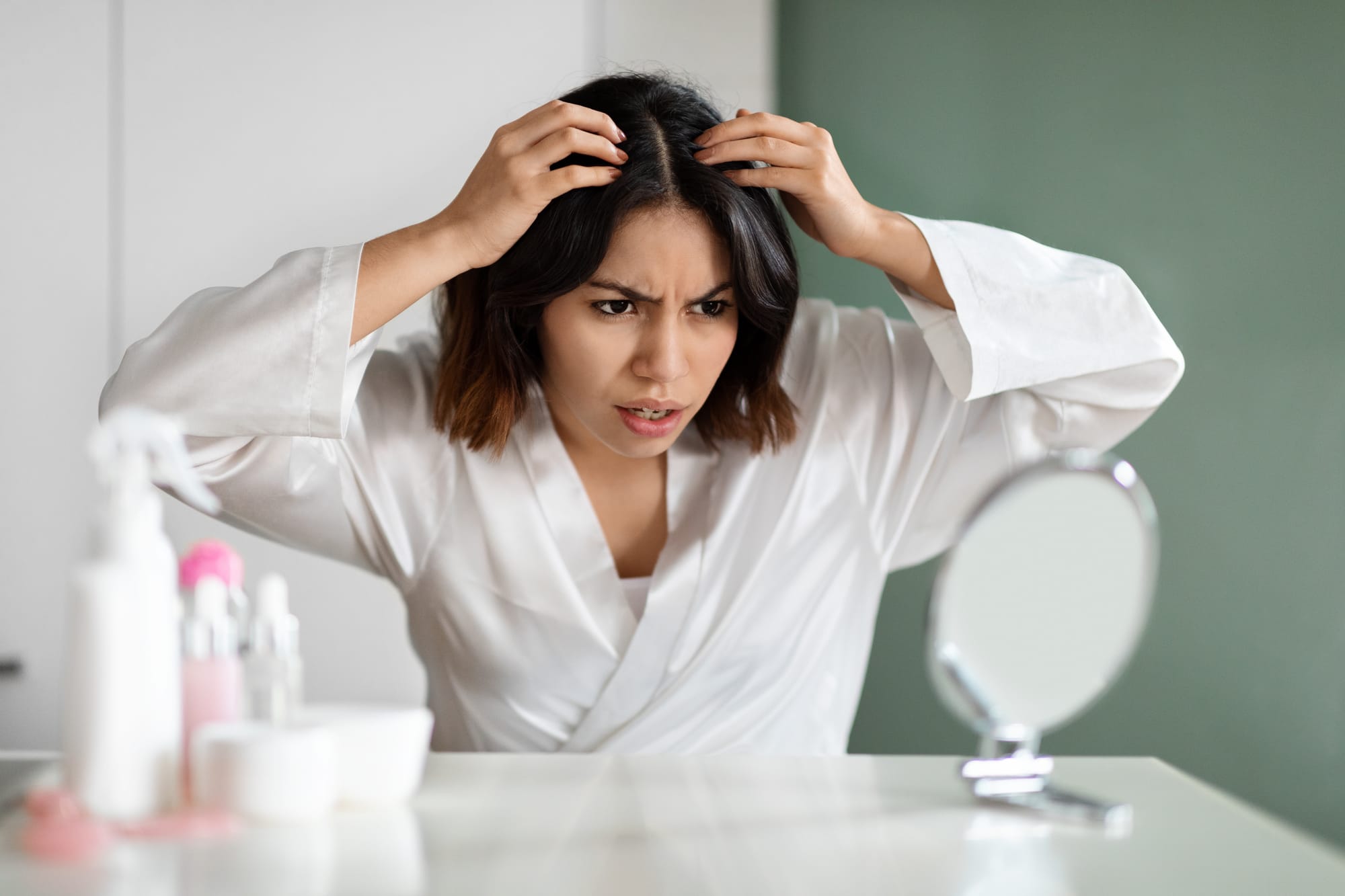
For the scalp, this buildup is a recipe for disaster. It can clog the openings of your follicles, leading to irritation, itchiness, and in some cases, thinning over time because the hair simply does not have a clean environment to grow in. If you have been struggling with a "flaky" scalp that does not respond to dandruff shampoo, there is a very good chance it is not dandruff at all. It is mineral buildup and product residue trapped by hard water.
On the hair shaft itself, these minerals act like tiny weights. They ruffle the cuticle, which is the outer layer of your hair. When the cuticle is raised and roughened by minerals, your hair loses its shine because it can no longer reflect light. It also becomes a magnet for tangles. If you find yourself fighting knots every single morning, your water is likely the culprit.
How to Spot the Signs in Your Own Bathroom
Before you go out and buy a whole new routine, take a look at your surroundings. Do you see white, chalky spots on your shower head? Does your soap struggle to foam up? Those are the classic red flags.
On your head, the signs are just as clear. Your hair might feel "filmy" even when it is freshly washed. You might notice that your color-especially if you go to a professional for blonde or copper tones-is turning brassy or dull within just two weeks of leaving the salon. This happens because minerals like iron and copper, often found in hard water, oxidize on the hair. It is essentially like your hair is rusting.
The Action Plan: Taking Your Power Back
The good news is that you do not have to move houses to save your hair. But you do need to be more mindful about how you treat the "mineral situation."
First, let’s talk about chelating. This is a word you will hear a lot in high-end salons, but you can do it at home. A chelating shampoo is different from a standard clarifying shampoo. While a clarifier removes oils and styling products, a chelating formula is specifically designed to "grab" onto minerals and heavy metals to pull them off the hair. If you live in a hard water area, a chelating wash once every two weeks is a non-negotiable part of a mindful routine.
Second, consider the "final rinse" method. This is an old-school freelancer secret that still works wonders. Keep a gallon of distilled water or a simple apple cider vinegar mix in your shower. After your final rinse with tap water, pour the distilled water or the vinegar solution over your head. This helps to neutralize the pH and rinse away those last few mineral deposits before you step out of the shower.
You can actually check the specific mineral levels in your area by looking at a US Geological Survey water hardness map. Knowing exactly what you are up against helps you decide if you just need a better shampoo or if it is time to invest in a serious filtration system.
The Filter Myth
I want to be very honest with you here, because there is a lot of marketing "fluff" in the beauty world. Most of those "beaded" shower filters you see on social media are great for removing chlorine, which is excellent for your skin and hair health. However, they do not actually soften the water. They do not remove the calcium and magnesium. To do that, you would need a proper salt-based water softener for the whole house.
However, do not let that discourage you. Removing the chlorine alone will make a massive difference in how your scalp feels. It reduces that post-shower tightness and helps your hair stay hydrated. Just don't expect it to solve the mineral buildup on its own.
Mindful Maintenance
Living with hard water means you have to be more intentional. It means you cannot just "wash and go" and expect salon-quality results. It requires a ritual of deep cleansing and constant rebalancing.
When you start addressing the water quality, you will notice that you actually need less product. Your shampoo will finally start to lather like it is supposed to. Your conditioner will actually sink into the strands instead of sitting on top of a mineral shield. It is a slow process of "de-gunking" your hair, but the payoff is a natural shine and bounce that no "miracle oil" can replicate.

Take a look at your hair today. Does it feel like it is under a veil? Maybe it is time to stop blaming the shampoo and start looking at the source.