
The Hidden "Tension Line": Why Your Everyday Ponytail is Thinning Your Hair (And the 2-Second Swap)
If you are like most women over 35, you probably spend a good portion of your day with your hair pulled back. Whether you are hitting the gym, focusing on a deep-work project, or just trying to keep your hair out of your face while you navigate the chaos of a busy afternoon, the "top knot" or the classic ponytail is our universal uniform. It is convenient, it is sleek, and it is a total lifesaver.
But I want you to go to the mirror right now and take your hair down. Do you see a slight "indentation" where your hair tie was? Do you notice that the hair around your temples looks a little sparser than it did five years ago? Have you started to see those tiny, flyaway "baby hairs" that never seem to actually grow into long, healthy strands?
As someone who has spent nearly two decades analyzing hair density and follicle health, I have to tell you that your favorite hair tie is likely a secret weapon against your own hair growth. We are dealing with something called mechanical tension, and it is the silent thief of hair density in the US today.
The Physics of the "Elastic Attack"
Traditional hair ties, especially those with metal connectors or the "seamless" ones that feel like tight rubber, work by using extreme compression. They squeeze the hair shaft into a tiny, concentrated point. Because hair is a protein fiber with its own internal structure, this constant pressure actually "crushes" the cuticle.
Every time you pull that elastic tight to keep your ponytail from sagging, you are creating a "stress fracture" in the hair shaft. Over weeks and months, that fracture leads to a snap. This is why so many women have a "shelf" of shorter hairs right where their ponytail usually sits. You aren't "shedding" from the root; you are simply snapping your hair in half with your accessories.
The "Traction" Warning
The damage goes deeper than just the hair shaft. When you pull your hair back tightly, you are putting constant, physical stress on the hair follicle itself. This is what we call traction tension. If the follicle is constantly being pulled upward and outward, the blood flow to the bulb is restricted. Over time, this chronic tension can cause the follicle to become inflamed and eventually enter a "shut down" phase.
If you have ever felt a dull ache or "soreness" at your roots after taking your hair down at the end of the day, that is your scalp’s way of screaming for help. That pain is an inflammatory response, and inflammation is the absolute enemy of hair density. You can read more about the long-term effects of traction and tension on the hair follicle to see why this is a major concern for women who favor high-tension styles.
Actionable Step 1: The French Pin Revolution
The most effective, $0-cost way to save your hairline is to stop using elastics for your everyday "at-home" bun. Instead, I want you to master the French Pin (also known as the U-pin). Unlike an elastic, a French Pin uses the weight of the hair against itself to stay secure. There is zero compression. You twist your hair loosely and slide the pin in. It stays all day, creates beautiful volume, and most importantly, it puts zero stress on your temples.
Actionable Step 2: The "Scrunchie Only" Rule
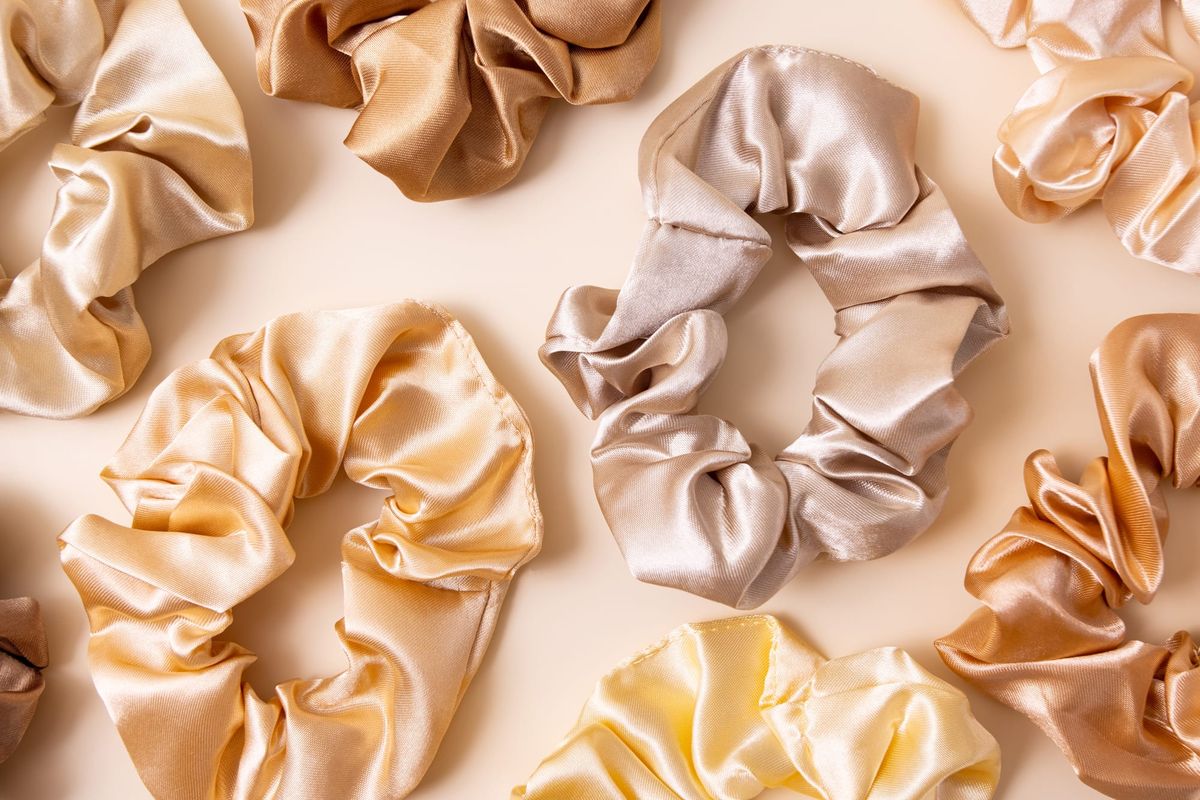
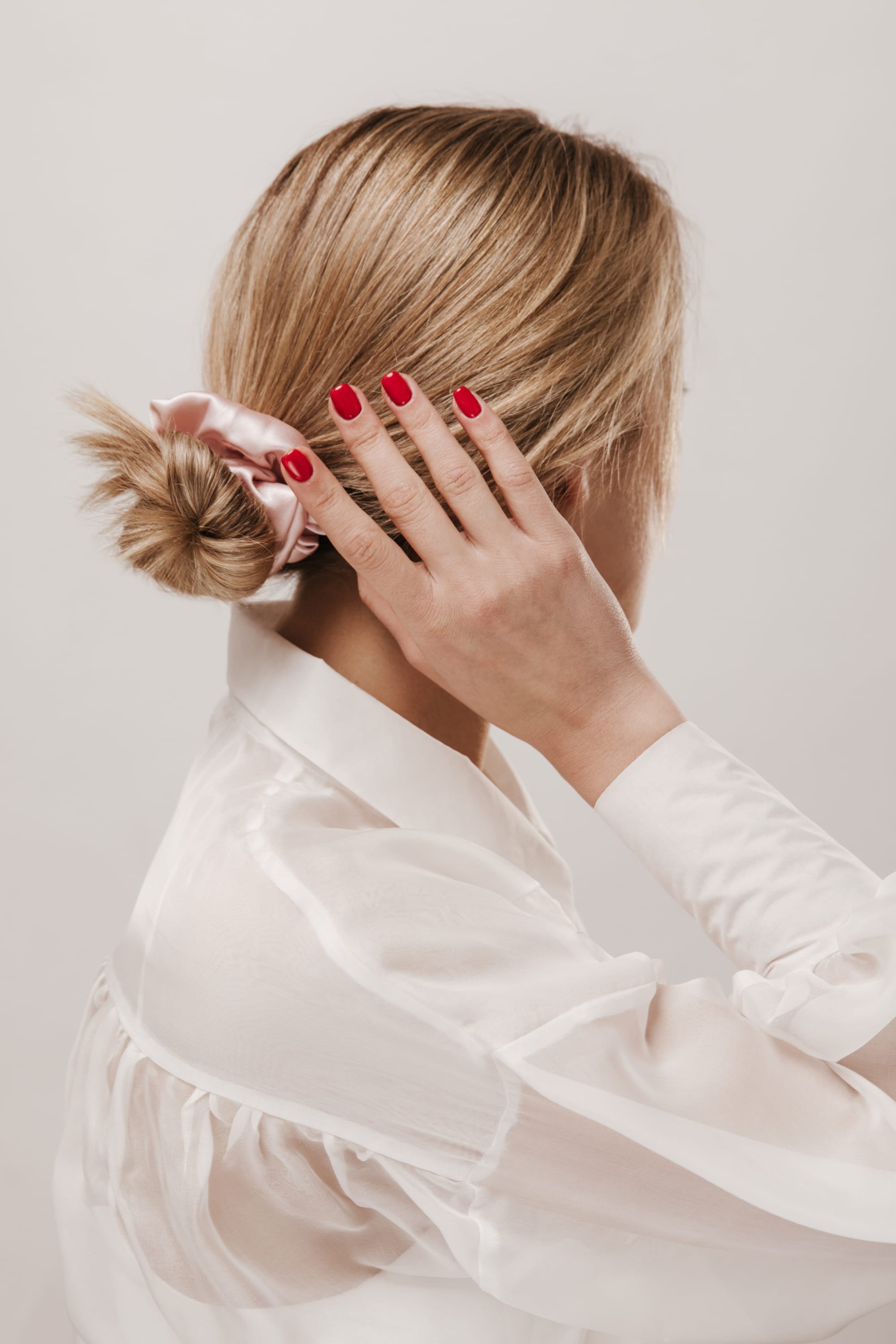
If you absolutely must use a hair tie for the gym or for a specific look, the rule is simple: if it is not covered in 100 percent silk or high-quality satin, it doesn't touch your hair. Silk provides "slip." It allows the hair to move slightly within the tie rather than being locked into a death grip. This small change can reduce your daily mechanical breakage by up to 50 percent in just one month.
Actionable Step 3: The "Evening Release" Ritual
Make it a non-negotiable part of your evening to perform a "scalp reset." After you take your hair down, spend two minutes using the pads of your fingers to gently move the skin of your scalp in circular motions. Focus specifically on the hairline and the crown. This helps to restore the blood flow that was restricted during the day and manually "down-regulates" the tension in the scalp tissue.
Actionable Step 4: The Altitude Shift
If you can't give up the ponytail, you must change the "altitude" of it every single day. If you wore a high pony on Monday, go for a low, loose nape-of-the-neck style on Tuesday. This prevents the "stress fracture" from happening in the same spot on the hair shaft day after day.
Mindful Preservation
We spend so much time and money on serums and supplements, but we often ignore the physical ways we are damaging our hair. Mindful hair care is about identifying these "micro-stresses" and eliminating them. Your hair isn't a static accessory; it is a delicate, living system that responds to how it is handled.
By switching to a French Pin or a silk scrunchie, you aren't just changing your look. You are giving your follicles a chance to breathe. You are stopping the "Invisible Haircut" caused by breakage. In three months, when you see those temple hairs finally reaching your ears instead of snapping off, you will realize that the best hair care tool you ever used was the one you stopped using.
Give your hair a break tonight. Take it down, give your scalp a massage, and let your follicles rest.