
The Iron Mimic: Why Normal Ferritin Levels Can Still Cause Severe Hair Thinning
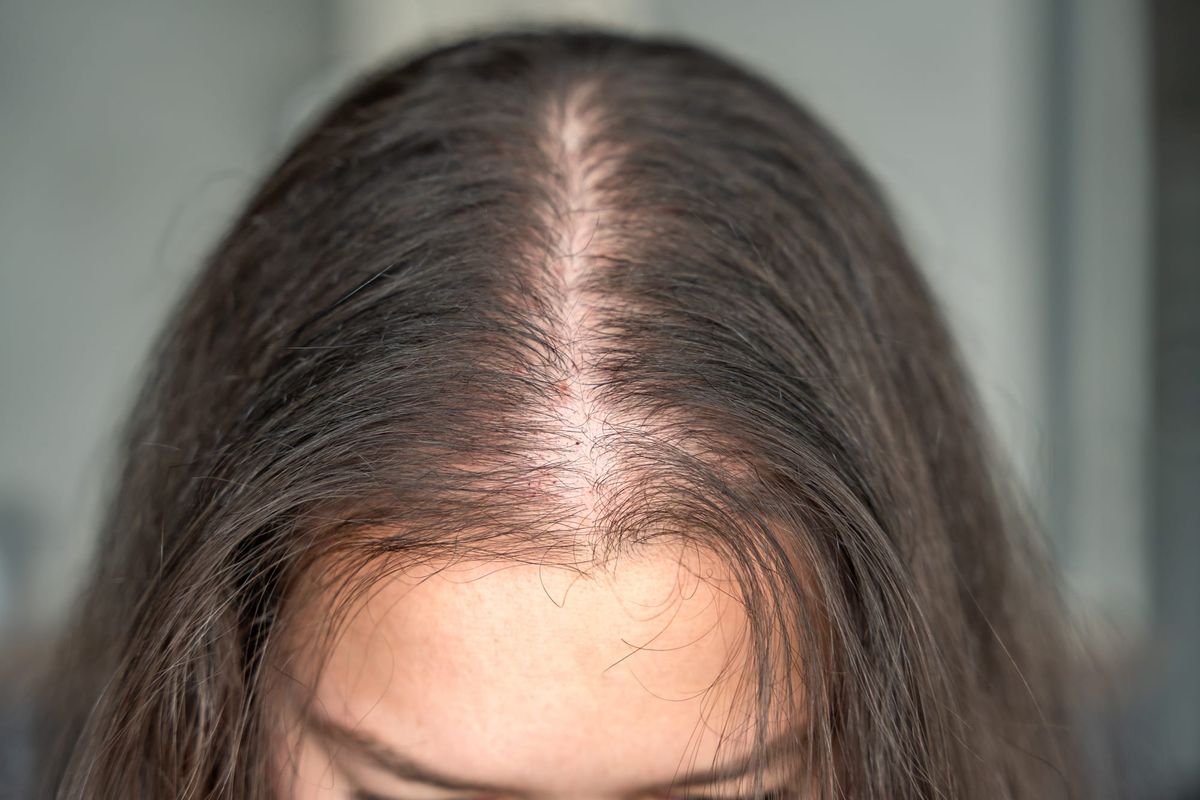
You received the lab results, and everything looks 'normal', yet the hair in your brush tells a completely different story. This frustrating disconnect is a reality for many who find their ferritin levels are technically within the standard range while their hair continues to thin. The truth is, when it comes to robust hair growth, the definition of 'normal' can be dangerously misleading.
The Ferritin Fallacy: Why 'Normal' Isn't Enough
Ferritin is not iron itself, but rather the protein that stores iron, making it readily available for your body's needs. Think of it as your body's iron savings account, which funds critical processes from energy production to oxygen transport. Hair follicles are incredibly active, demanding a significant and steady supply of energy and nutrients to build strong, healthy strands.
The problem lies in the standard laboratory reference ranges, which are designed to identify serious disease, not to define optimal wellness. These ranges are incredibly broad, and a level that prevents outright anemia is not the same as a level that supports the demanding metabolic process of hair growth. For your body, hair is a non-essential tissue; when resources are merely adequate instead of abundant, your system will always prioritize survival functions over hair production, leading to shedding and thinning.
Therefore, a ferritin level that is considered 'low normal' on a lab report might be completely insufficient to fuel your follicles. Your body is making a smart, protective choice to redirect its iron reserves to more important jobs, leaving your hair to pay the price. This is the great mimic-a state of functional iron deficiency that hides in plain sight behind a passing grade on a standard blood test.
Beyond the Numbers: The Optimal Zone for Hair
Achieving truly healthy hair requires moving beyond the concept of 'not deficient' and into the realm of 'optimal'. For hair to thrive, your iron savings account needs to be consistently full, not just hovering above empty. This optimal ferritin zone provides the abundant resources your follicles need to complete their complex growth cycles without interruption.
Simply having stored iron is only one part of the equation; your body also needs to be able to access and use it effectively. Several other factors, including certain vitamins and minerals, act as essential co-factors in iron metabolism. Without these key partners, your efforts to build your iron stores can be far less effective, creating a bottleneck that prevents the iron from reaching your hair follicles where it's needed most.
Understanding this distinction empowers you to have a more informed conversation with your healthcare provider. It shifts the goal from simply being 'in range' to strategically building the internal environment that supports your body's full potential for regeneration and growth. You can begin to investigate the root cause instead of just worrying about the symptom.
Taking Empowered Action for Your Hair's Future
The first step toward resolving this issue is seeking out a practitioner who understands the nuances of hair biology and functional lab ranges. This could be a trichologist, a functional medicine doctor, or a naturopath who recognizes that optimal hair health requires more than just avoiding deficiency. They can help you look at the complete picture of your health, not just a single number on a page.
A comprehensive approach is always best, looking beyond ferritin to other related markers that give a clearer picture of your iron status and overall health. This allows for a targeted strategy that addresses the true underlying issue, whether it's low storage, poor absorption, or a lack of necessary co-factors. True progress is built on a foundation of accurate and thorough information.
Finally, remember that your hair is a reflection of your internal well-being, and a holistic approach yields the most sustainable results. This involves nourishing your body with an iron-rich diet, managing stress which can impact nutrient absorption, and supporting your overall health. This is how you reclaim control and build a foundation for hair that is not just growing, but genuinely flourishing.
- Your ferritin level might be 'normal' for survival but is likely sub-optimal for the high-energy demands of hair growth.
- Effective iron utilization depends on key co-factors, making a holistic nutritional approach essential.
- Work with a knowledgeable practitioner to analyze your lab results through the lens of optimal health, not just disease avoidance.