
The Midnight Growth Hack: Why Your "Netflix and Chill" Habit is Starving Your Hair Follicles
We are a sleep-deprived society. In the US, we often wear our late nights and early mornings as a badge of honor, fueled by endless cups of coffee and the blue light of our smartphones. But if you are noticing that your hair looks "dull" or that your shedding increases during high-stress weeks, the culprit might be sitting right on your nightstand.
Most people know that sleep is important for energy, but few realize that sleep is the primary "manufacturing window" for your hair. Specifically, we need to talk about Melatonin. While we usually think of it as the "sleep hormone," Melatonin is actually one of the most potent antioxidants your body produces, and your hair follicles have a literal "craving" for it.
The Melatonin-Follicle Connection
Your hair follicles are highly sensitive to your circadian rhythm. During the deep stages of sleep, your body enters a state of repair and regeneration. This is when growth hormone is released, and it is also when Melatonin levels peak.
Melatonin does more than just help you drift off. It actively protects the hair follicle from oxidative stress. It has been shown to extend the anagen (growth) phase of the hair cycle, meaning it keeps your hair growing for a longer period before it naturally sheds. When you cut your sleep short or disrupt your Melatonin production with blue light, you are essentially cutting off the "power supply" to your hair’s growth engine.
The "Blue Light" Sabotage
Here is the actionable truth: scrolling through Instagram or watching "just one more episode" in the dark is devastating for your hair’s internal rhythm. The blue light emitted by your devices mimics daylight, which tells your brain to suppress Melatonin production.
Even if you eventually fall asleep for eight hours, the quality of that sleep is compromised because the Melatonin spike was delayed or dampened. Without that antioxidant protection, your follicles are left to deal with the inflammatory leftovers of your day (stress, pollutants, poor diet) without their primary repair tool. You can find more details on how circadian rhythms and melatonin regulate hair follicle biology in recent clinical reviews.
Actionable Steps for Better Midnight Growth
- The "Digital Sunset": Set a "digital sunset" for at least 60 minutes before you want to be asleep. Put the phone in another room and switch to a physical book or a relaxing ritual like a scalp massage. This allows your Melatonin levels to rise naturally.
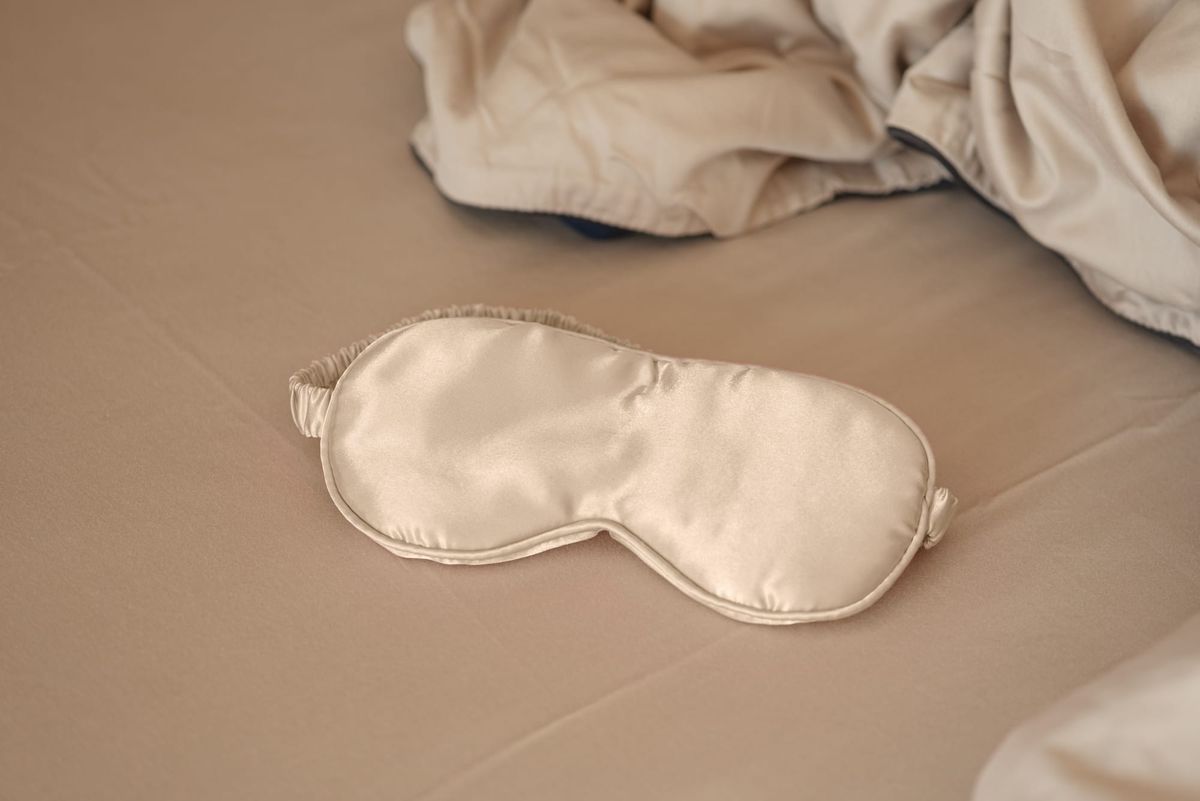
- The Darkness Ritual: Your room needs to be "cave-dark." Even the tiny light from a charging cable or a digital clock can interfere with your internal sensors. Invest in high-quality blackout curtains or a soft silk sleep mask.
- The Magnesium Connection: As we have discussed before, magnesium is a key partner for sleep. Taking a magnesium supplement (or using a magnesium spray on your feet) in the evening helps to calm the nervous system and supports the natural production of Melatonin.
- The Consistent Window: Try to go to bed and wake up at the same time, even on weekends. Your hair follicles thrive on "predictability." When they know exactly when the "repair shift" begins, they can work much more efficiently.

The Resilience of Rest
I have seen it time and time again: a client changes nothing about their products, but simply prioritizes a solid seven hours of dark, uninterrupted sleep, and their hair density begins to return. It is the ultimate "free" hair care treatment.
Stop looking at sleep as a luxury you can afford later. It is a fundamental part of your "Inside" hair care strategy. Your follicles are working hard for you every single day; the least you can do is give them the dark, quiet environment they need to finish the job. Tonight, put the phone down, close the curtains, and let your Melatonin do the heavy lifting for your hair.