
The Molecular Weight Mistake: Why Your Protein Treatment Is Coating Instead of Correcting Hair.
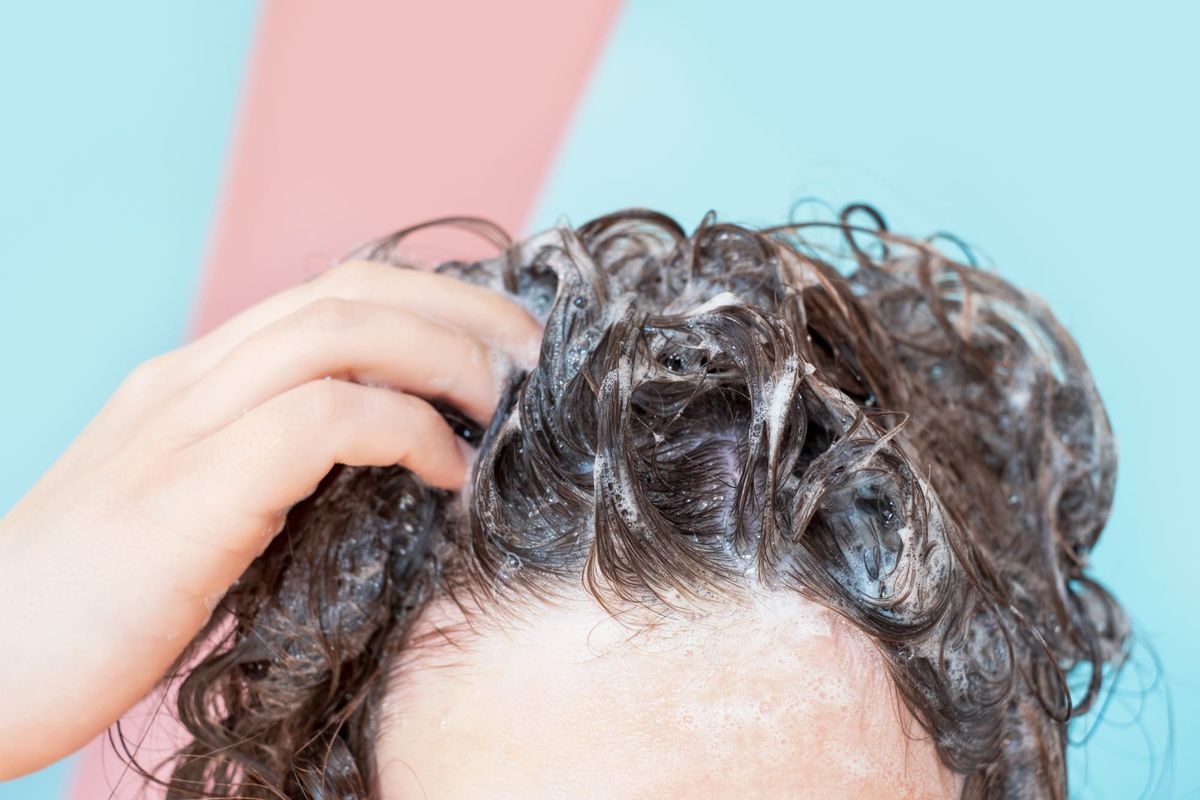
You can feel it before you even see it. That promising, protein-rich hair mask you applied with such high hopes has left a strange film behind. Instead of feeling strong and supple, your strands feel stiff, almost brittle, and strangely heavy. It’s a frustratingly common experience: you invested in a treatment meant to repair and strengthen, only to find your hair feels worse. This isn’t a sign that your hair “hates” protein; it’s a clear signal of a fundamental mismatch in formulation, a problem that begins at a microscopic level.
The issue isn't the protein itself, but its size. In the world of cosmetic science, not all molecules are created equal. When it comes to hair repair, the difference between a product that merely sits on the surface and one that truly reconstructs from within comes down to a single, critical factor: molecular weight. Understanding this concept is the key to finally choosing a treatment that delivers genuine correction instead of a temporary, and often counterproductive, coating.
The Science of Size: Why Molecular Weight Matters
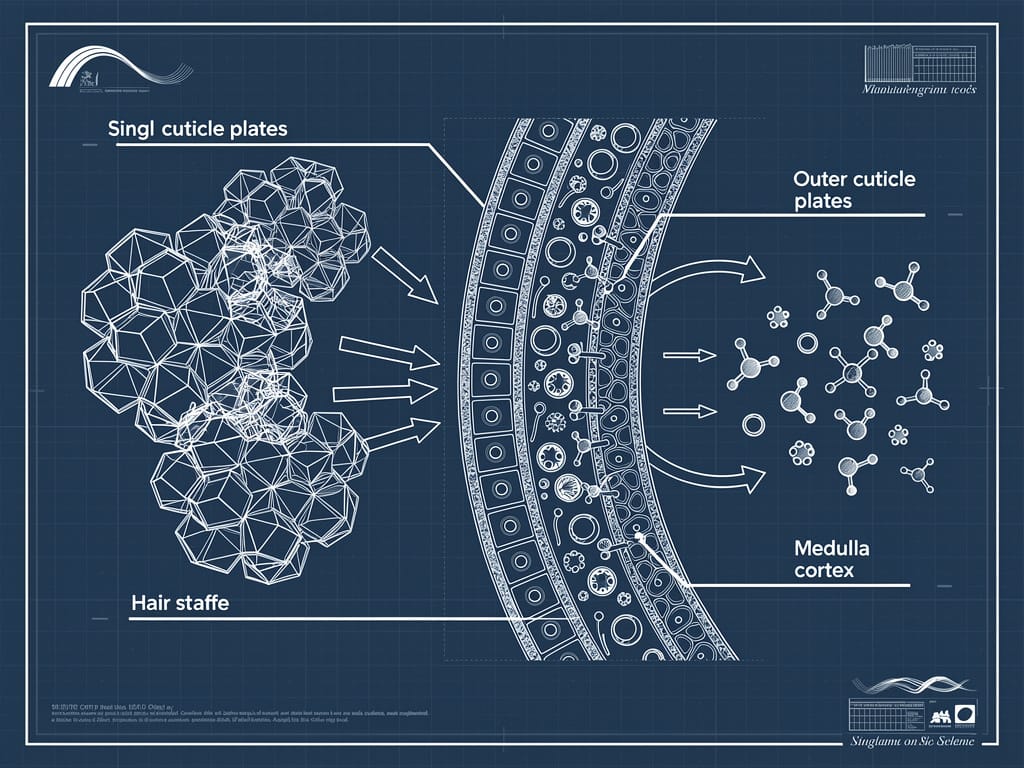
At its core, your hair is made of protein-specifically, keratin. When hair becomes damaged from heat, chemical services, or mechanical stress, it loses some of this protein, creating gaps and weak points along the hair shaft. A protein treatment is designed to fill these gaps. But for that to happen, the repair molecules must be small enough to get inside the hair's outermost layer, the cuticle.
- The Problem with Large Protein Molecules
- Large, non-hydrolyzed proteins (like standard collagen or keratin) possess a high molecular weight. They are simply too big to squeeze past the tightly-packed scales of the hair cuticle.
- Instead of penetrating, these bulky molecules form a film on the hair's surface. This can give a temporary illusion of smoothness but can also lead to a stiff, plastic-like feel and prevent moisture from getting in, causing dryness and breakage over time.
- The Solution: Hydrolyzed Proteins
- Hydrolysis is a scientific process that uses water to break down large protein structures into much smaller fragments, like peptides and amino acids. These fragments have a low molecular weight.
- These smaller pieces are nimble enough to penetrate the hair cuticle, travel into the cortex, and bond with the damaged areas, reinforcing the hair's internal structure. This is true repair, not just a surface-level patch job.
How to Read the Label for True Repair
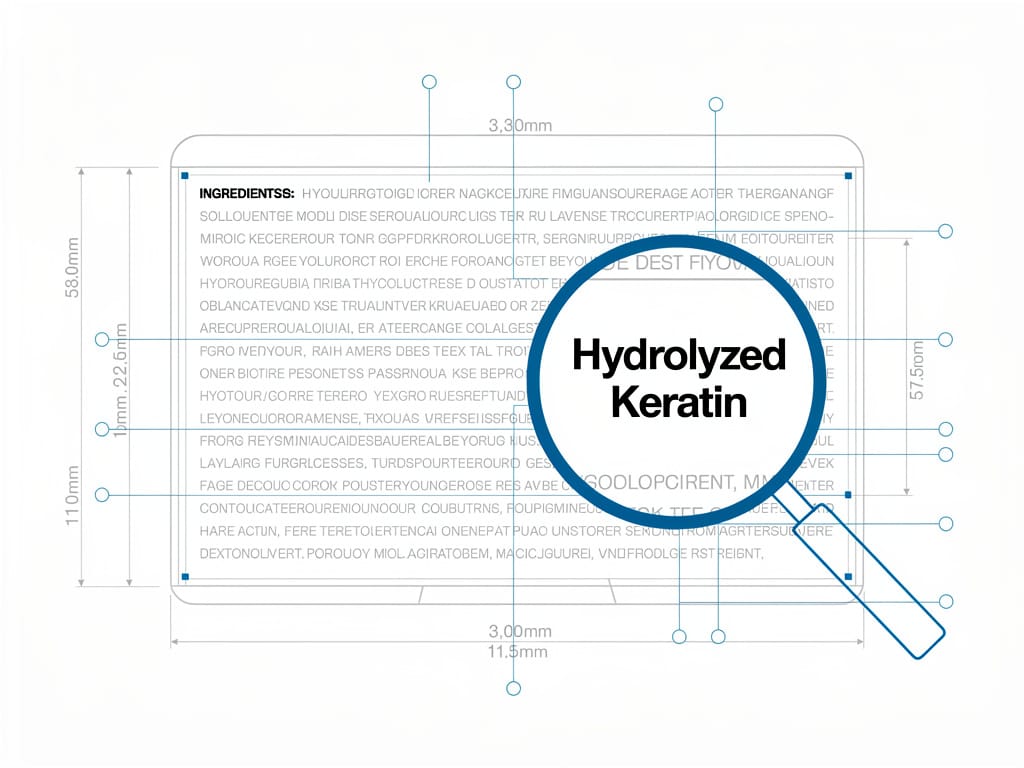
Navigating product labels can feel like a chore, but knowing what to look for transforms you from a passive consumer into an informed advocate for your hair's health. The clues to a product's effectiveness are right there in the ingredient list, once you know the language.
- Look for the “Hydrolyzed” Prefix
- This is your number one indicator of a corrective treatment. Scan the ingredient list for terms like “Hydrolyzed Keratin,” “Hydrolyzed Wheat Protein,” “Hydrolyzed Silk,” or “Hydrolyzed Oat Protein.”
- The presence of these ingredients, especially high up on the list, signals that the formula is designed for deep penetration and structural repair.
- Contextualize Your Hair's Porosity
- Hair porosity describes how easily your hair absorbs and retains moisture. High porosity hair has a more open cuticle and can easily become 'overloaded' with large-molecule proteins, leading to that dreaded stiffness.
- Low porosity hair has a very compact cuticle, making it difficult for any treatment to penetrate. For this hair type, low molecular weight hydrolyzed proteins aren't just beneficial-they're essential for any repair to occur at all.
The next time your hair feels weak and in need of support, don't just reach for any product labeled “protein.” Turn the bottle around and become a molecular detective. By prioritizing formulas with smaller, hydrolyzed proteins, you move beyond the cycle of temporary fixes and surface coatings. You start providing your hair with the precise building blocks it needs to rebuild its strength from the inside out, ensuring long-term health and resilience.