
The Morning Temperature Test: What Your Cold Feet Reveal About Your Daily Shedding

The alarm hasn't even sounded, but you're awake. Before you open your eyes, you feel it-that familiar, deep-seated chill starting in your toes, a coldness that socks can't seem to touch. You swing your legs out of bed and the feeling intensifies as your feet meet the floor. Later, as you run a brush through your hair, you notice the bristles are holding more strands than usual. You see them on your pillow, on your dark sweater, and circling the shower drain. It feels like two separate, frustrating problems, but they are often two symptoms of the same underlying story your body is trying to tell.
This connection isn't a coincidence or a figment of your imagination. It's a clue rooted deep in your body's metabolic function. The persistent coldness in your hands and feet, especially upon waking, is frequently linked to your basal body temperature-the body's lowest resting temperature. This measurement serves as a powerful indicator of your metabolic rate, which is largely governed by your thyroid gland. When your thyroid isn't functioning optimally, it slows everything down. Think of it as turning down the thermostat on your internal furnace. Your body conserves energy, and one of the first 'non-essential' systems to have its power reduced is hair production.
The result is often an increase in hair shedding, a condition known as telogen effluvium, where a larger than normal number of hair follicles are pushed into the resting (telogen) phase and subsequently fall out. Your hair may appear thinner, lack its usual luster, and seem to have stalled in its growth. That chill in your feet isn't just a nuisance; it's a potential signal from your endocrine system that your hair follicles aren't getting the metabolic energy they need to thrive. Understanding this link is the first step toward addressing the root cause of your shedding, moving beyond topical fixes to support your hair's health from the inside out.
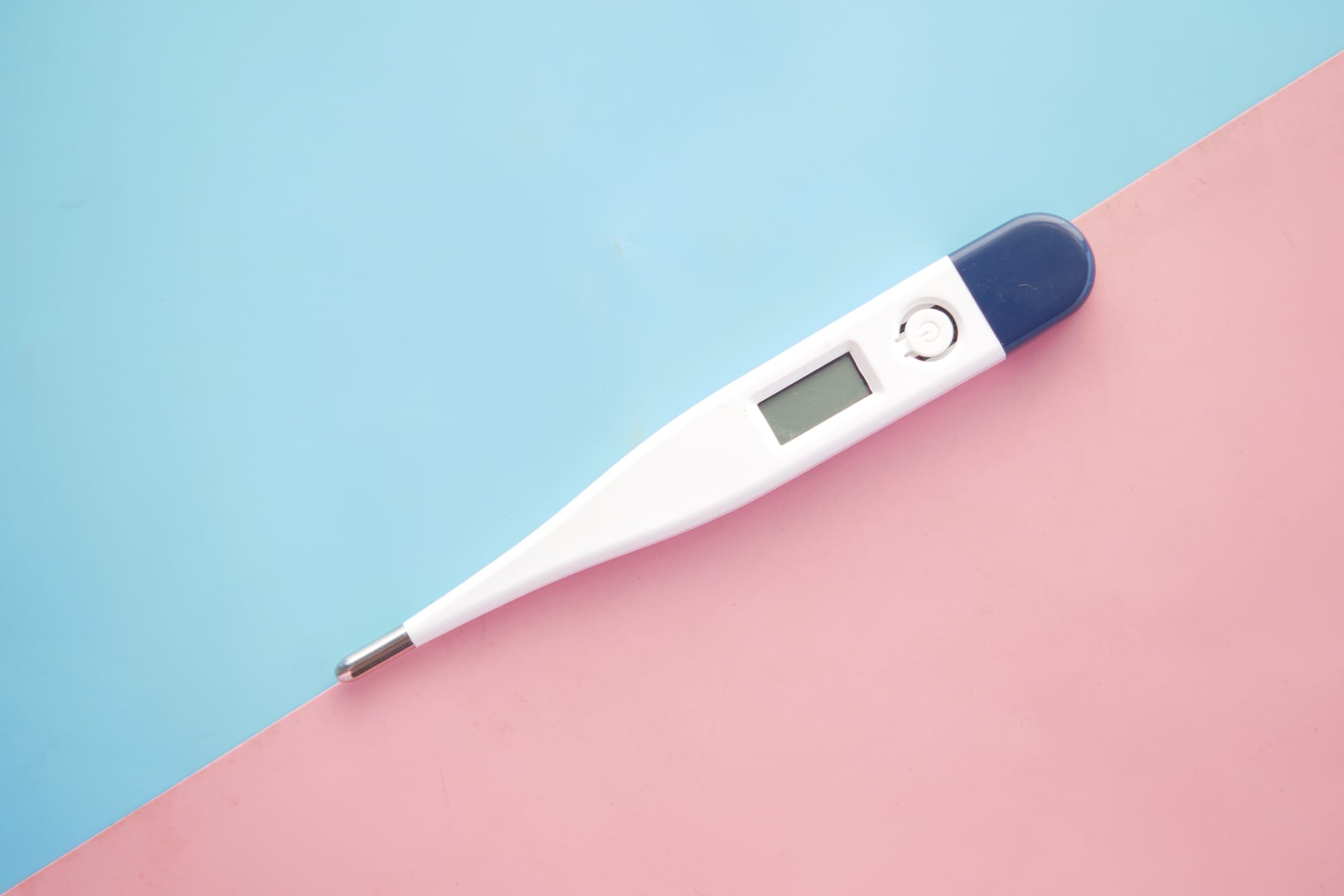
- Low morning body temperature can be a sign of a sluggish metabolism and suboptimal thyroid function.
- The thyroid gland is a primary regulator of your body's energy use, which directly impacts the hair growth cycle.
- An underactive thyroid is a well-documented cause of excessive hair shedding, also known as telogen effluvium.
- Consistently cold extremities, like your hands and feet, are a classic symptom of a slowed metabolic rate.
Frequently Asked Questions
How exactly does body temperature relate to my hair?
Your body temperature is a direct reflection of your metabolic rate-the speed at which your body converts fuel into energy. This entire process is orchestrated by the thyroid gland, which produces hormones (T4 and T3) that instruct every cell on how much energy to use. Hair follicles are some of the most metabolically active cells in the body, requiring immense energy to sustain the anagen (growth) phase.
When your metabolism slows down, indicated by a low basal body temperature, your body enters a state of conservation. It prioritizes energy for life-sustaining organs, like the heart and brain, and diverts it away from 'non-essential' processes like growing hair. This energy deficit prematurely pushes more hair follicles from the growth phase into the resting phase, leading to increased shedding a few months later. So, your body temperature acts as a real-time gauge of the energy available for robust hair growth.
What is the 'Morning Temperature Test' and how do I do it?
The Morning Temperature Test is a simple, at-home method to assess your resting metabolic rate by measuring your basal body temperature. To perform it correctly, you'll need a basal body thermometer, which is more sensitive than a standard fever thermometer. Keep it on your nightstand. The moment you wake up, before you move, speak, drink, or get out of bed, place the thermometer under your tongue or in your armpit.
Lie as still as possible until the thermometer beeps. Record the temperature and the date. For the most accurate picture, you should repeat this process for at least five consecutive days. For menstruating women, it's best to perform the test during the first week of your cycle (the follicular phase) to avoid the natural temperature spike that occurs after ovulation, which could skew the results. The goal is to find your average waking temperature to see if a pattern emerges.
What's considered a 'normal' morning temperature?
While the standard '98.6°F' is widely known, this is an average daytime temperature, not a basal (waking) one. Based on the pioneering research of Dr. Broda Barnes, an optimal waking axillary (armpit) temperature should be between 97.8°F and 98.2°F (36.5°C to 36.7°C). An oral temperature will typically be a few tenths of a degree higher.
If your average morning temperature consistently falls below 97.6°F, it could be an indicator of a sluggish metabolism or suboptimal thyroid function. It is important to remember that this test is a screening tool, not a medical diagnosis. However, it provides valuable data that you can bring to a healthcare provider to justify more comprehensive testing, such as a full thyroid panel that goes beyond the standard TSH test.
If my temperature is low, will warming up my feet fix my hair shedding?
This is an excellent question that gets to the heart of symptom versus cause. While putting on warm socks or using a heating pad will certainly make you more comfortable, it will not fix the underlying reason for your hair shedding. The cold feet are a symptom of poor peripheral circulation, which is itself a symptom of a slowed-down metabolism. You are experiencing an external sign of an internal issue.
The true solution lies in addressing what is causing the low body temperature in the first place. This involves working with a knowledgeable practitioner to investigate your thyroid health, check for nutrient deficiencies (like iron, iodine, and selenium), and assess adrenal function. Fixing the hair shedding requires turning the heat up on your internal furnace, not just warming your extremities. By supporting your metabolic health systemically, you restore the energy supply your hair follicles need to stay in their growth phase longer.