
The Pre-Wash Oil Ritual: Why Your "Slick Back" Routine Might Be Sabotaging Your Shine

If you have spent any time scrolling through your feed lately, you have probably seen the "clean girl" aesthetic in full force. It is all about those perfectly slicked-back buns and hair that looks almost glass-like in its shine. The secret, according to every other video, is drenching your hair in oil and leaving it there for hours, or even days. As someone who has watched hair trends come and go for nearly twenty years, I have to tell you: we need to have a serious talk about how you are actually doing this.
I love a good oil treatment. When done correctly, it is one of the most transformative rituals you can add to your week. It can mend the look of frayed ends, soothe a tight scalp, and provide a protective barrier that keeps your hair from snapping. But there is a very fine line between "mindful nourishment" and "follicle suffocation." If you are just slapping some kitchen coconut oil on your head and hoping for the best, you might be heading toward a world of buildup and unexpected breakage.
The Science of the "Buffer"
To understand why we oil before we wash, we have to talk about something called hygral fatigue. This is a fancy term for what happens when your hair expands as it absorbs water and then contracts as it dries. Imagine a rubber band that you stretch and release a thousand times. Eventually, that rubber band loses its elasticity and snaps. Your hair does the exact same thing every time you jump in the shower.
By applying oil before you wash, you are creating a hydrophobic barrier. The oil "occupies" the spaces between the hair scales, preventing the hair from soaking up too much water and swelling. This simple act of protection is a game changer for anyone with high-porosity or color-treated hair. It turns a potentially damaging process (washing) into a restorative one.
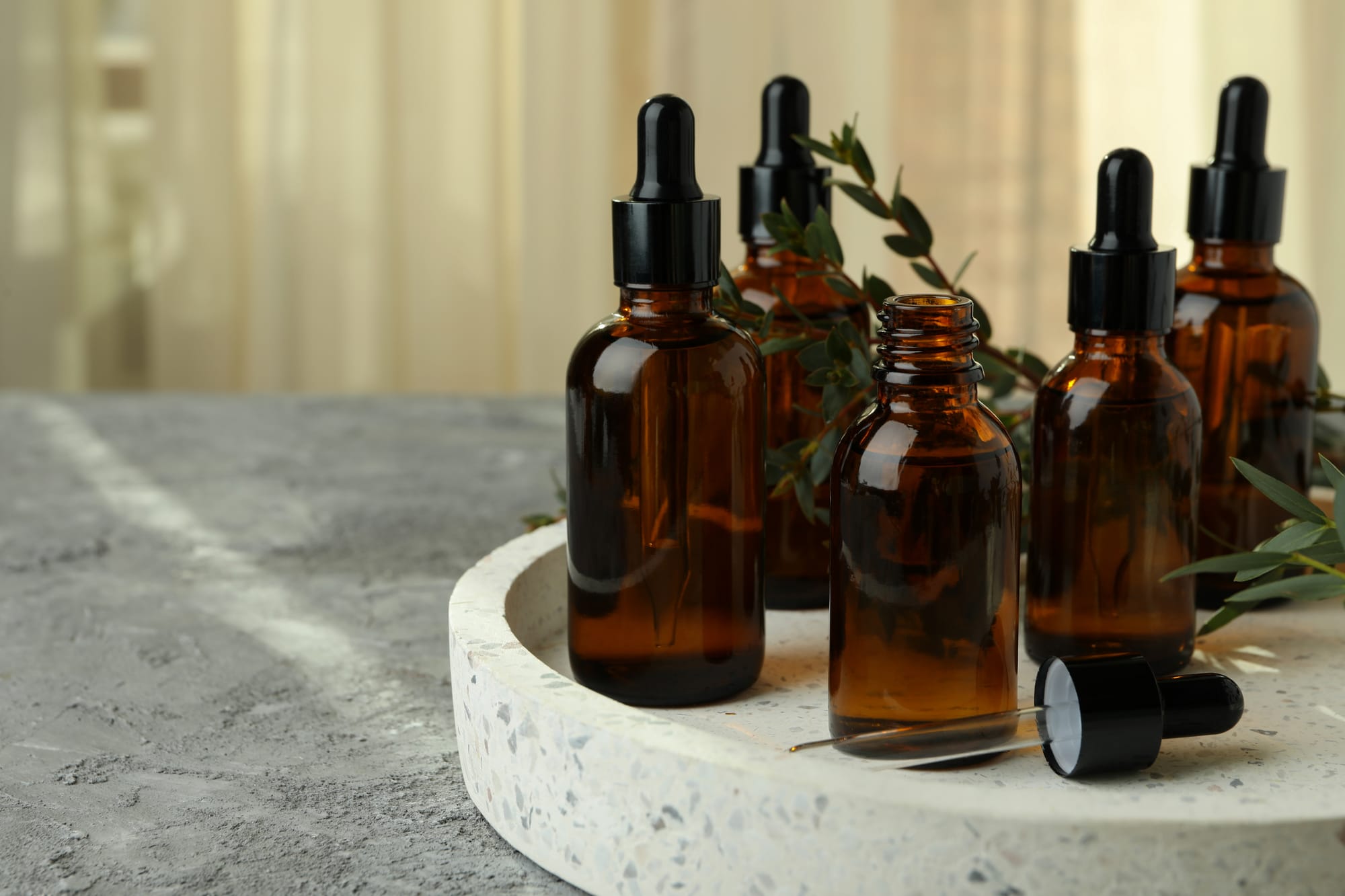
Choosing Your "Liquid Gold"
The biggest mistake I see is the "one oil fits all" approach. Your hair is unique, and its needs change based on the weather, your stress levels, and your last salon visit.
If you have fine hair that gets weighed down easily, you want a "penetrating" oil like jojoba or almond oil. These are lighter and mimic the natural sebum produced by your scalp. If your hair is thick, coarse, or extremely dry, you might need something richer like argan or even a small amount of avocado oil.
You can read more about the molecular structure of different botanical oils and how they interact with the hair shaft to get a better idea of what your specific strands might need. Understanding the "why" behind the oil makes the ritual feel less like a chore and more like a targeted treatment.
The Ritual: Step-by-Step
This is not a "set it and forget it" situation. To get the results you see in those glossy magazines, you need to follow a specific flow.
- The Dry Detangle: Never apply oil to tangled hair. Use your wide-tooth comb to gently clear any knots. This ensures the oil can coat every single strand evenly.
- The Sectioned Application: Don't just pour oil on the top of your head. Section your hair into four parts. Warm a few drops of oil between your palms and work from the mid-lengths down to the ends. Your ends are the oldest part of your hair and deserve the most love.
- The Scalp Connection: If you are treating your scalp, use a very targeted approach. Use your fingertips to massage the oil into the skin, not just the hair. This stimulates blood flow and helps to loosen any dead skin cells or product buildup.
- The Timing: Here is where most people go wrong. You do not need to sleep in your oil. In fact, for many people, leaving oil on for eight hours can lead to scalp irritation or even "over-moisturizing" the hair, making it mushy. Thirty minutes to two hours is the sweet spot. That is more than enough time for the oils to perform their protective magic.
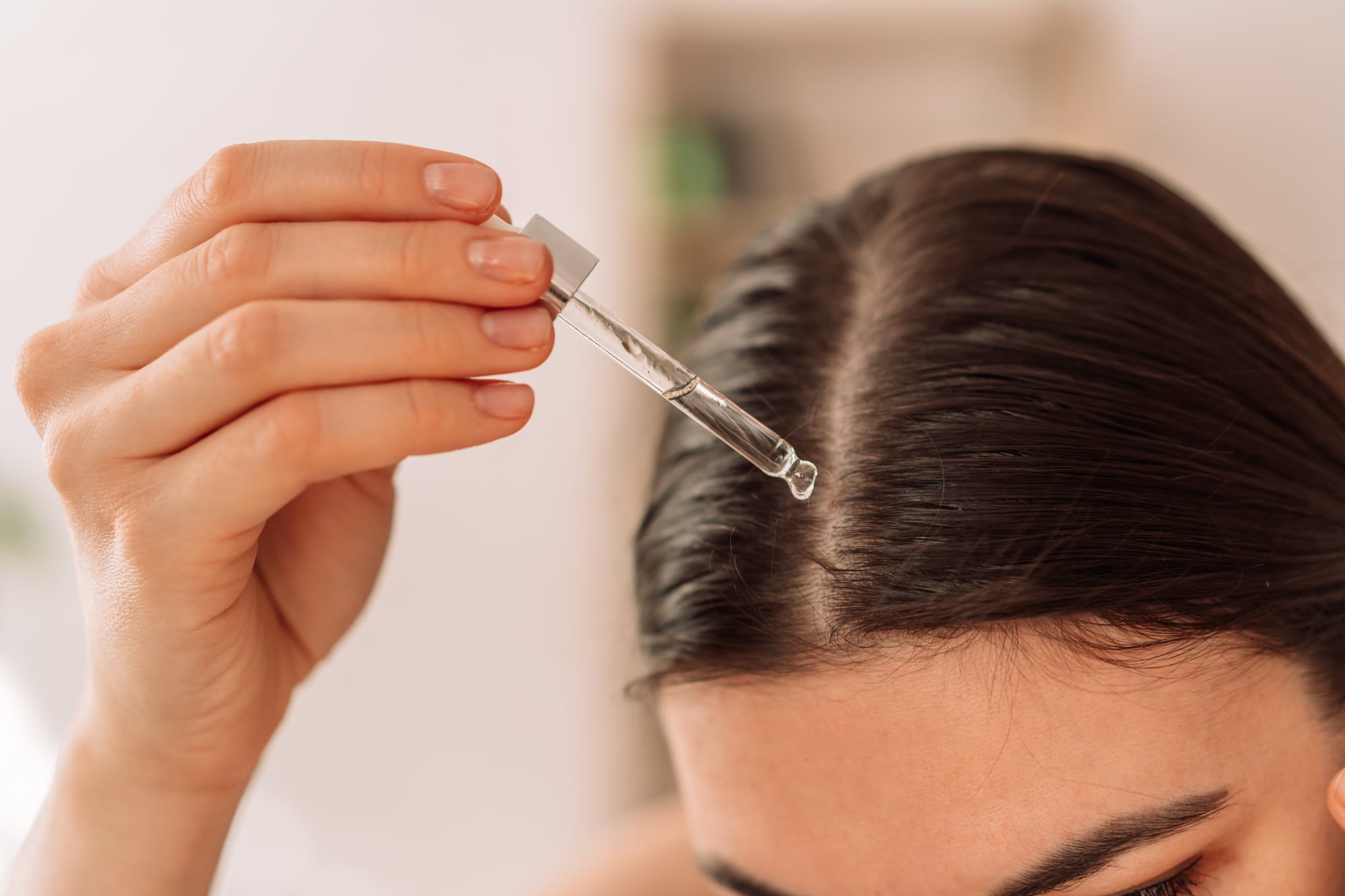
The "Clean Rinse" Strategy
The most common complaint I hear about pre-wash oiling is that it makes the hair feel greasy even after washing. This usually happens because people don't adjust their washing technique. When you have a heavy oil on your hair, your standard "quick scrub" isn't going to cut it.
This is where the double-cleanse method we discussed in previous posts becomes your best friend. Your first wash is specifically to break down the oil. Focus your shampoo on the areas where you applied the most product. Rinse, and then do a second, lighter wash to actually clean the scalp and hair. If you do this correctly, you will be left with hair that feels incredibly soft and bouncy, not heavy and lank.
Common Pitfalls to Avoid
I want you to be mindful of the "over-oiling" trap. If your hair starts to feel "crunchy" or "stiff" after an oil treatment, you might be using an oil that is too heavy or containing too much protein for your current hair needs.
Also, avoid the "dirty hair" trap. While this is a pre-wash ritual, trying to oil hair that is already covered in three days of dry shampoo and hairspray is a waste of time. The oil can't get through that "crust" of product. If your hair is very dirty, you are better off doing a quick clarifying wash first, then oiling, then doing your final cleanse.
Making it Your Own
The beauty of this ritual is that it forces you to slow down. It is a moment of self-care in a world that is constantly asking for more of your time. Turn off your phone. Put on a face mask. Let the oil sit while you read a book or sip a cup of tea.
When you treat your hair care as a ritual rather than a task, you start to notice the small changes. You notice the way your hair reflects the light in the morning. You notice that you aren't fighting as many tangles. Most importantly, you start to feel a sense of agency over your own beauty routine.
Start with once a week. Be observant. Pay attention to how your hair feels the next day. This is the heart of mindful hair care: listening to what your body is telling you and responding with intention.