
The Protein Paradox: Why Strong Hair Breaks More
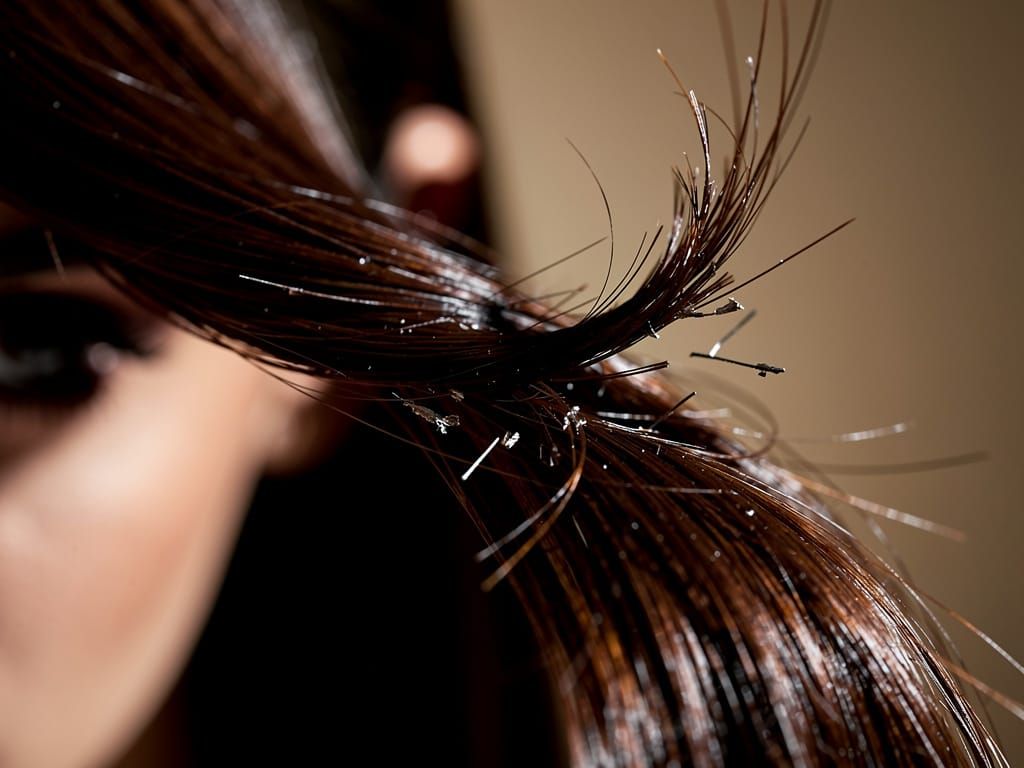
You've been doing everything right. Protein treatments every few weeks, keratin masks, bond-building products stacked on top of each other. Your hair should be thriving.
So why is it snapping off like dry spaghetti?
Here's the truth: you might be loving your hair a little too hard - with protein.
The Biology Behind the Breakage
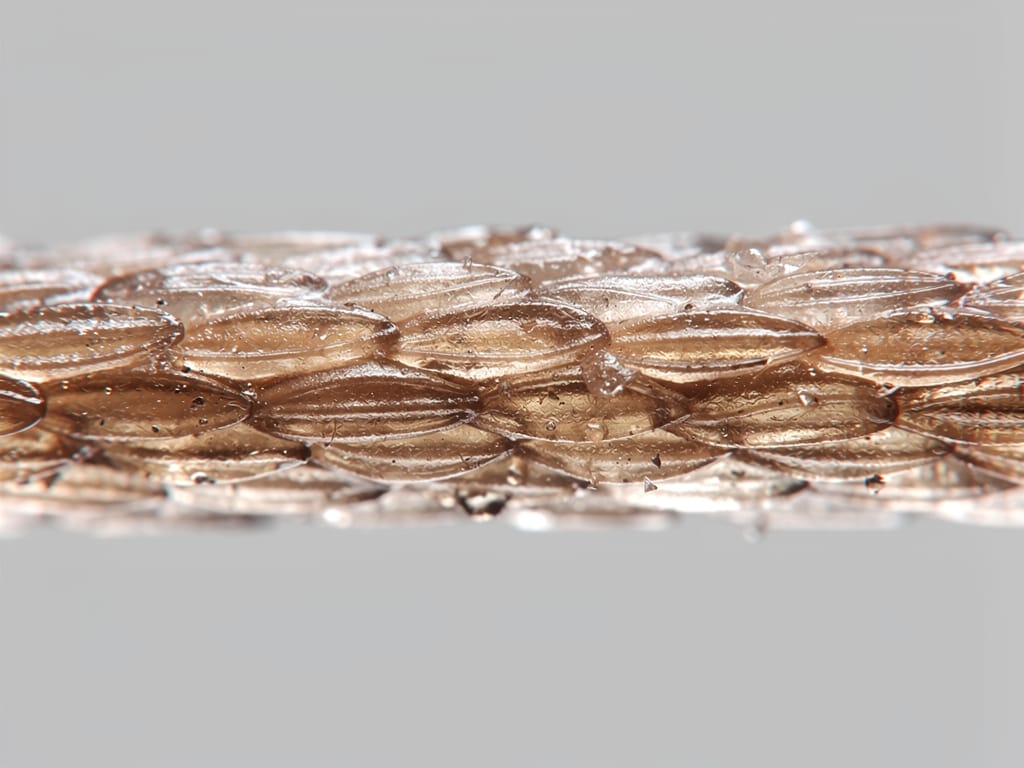
Your hair is made of a protein called keratin. About 95% of it, actually. So it makes total sense that feeding it more protein would make it stronger, right?
Not exactly. And this is where the paradox kicks in.
Think of your hair strand like a rubber band. A healthy rubber band stretches, bends, and snaps back. It has elasticity. That elasticity comes from a careful, ongoing balance between two things: protein (which provides structure) and moisture (which provides flexibility).
When you flood your hair with protein, the strands become rigid. Dense. Stiff. They lose that beautiful give.
And stiff things don't bend - they break.
What 'Protein Overload' Actually Feels Like
Most people don't recognize protein overload because it mimics damage. Your hair feels rough, brittle, and dull. You assume it needs more repair. So you reach for another protein treatment.
It's a cycle that quietly wrecks your strands.
Here are the signs you're dealing with protein overload, not just general damage:
- Straw-like texture that doesn't soften even after deep conditioning
- Increased shedding and snapping, especially on dry hair
- No stretch - when you pull a wet strand, it breaks immediately instead of stretching slightly first
- Dullness and a rough, almost crunchy feel even after washing
- Hair that tangles more than usual, despite being moisturized
Sound familiar? Yeah. I've seen this exact pattern hundreds of times over the years, and it always starts with the best intentions.
The Stretch Test: Your New Best Friend
Here's a dead-simple way to check where your hair stands right now.
Pull a single wet strand between your fingers and gently stretch it.
- If it stretches a little and returns - your balance is good.
- If it stretches a lot and goes limp - you need protein. Your hair is over-moisturized.
- If it snaps immediately with zero stretch - you have protein overload. Your hair is crying out for moisture and a protein break.
That's it. No fancy tools, no expensive analysis. Just you, a strand of hair, and about ten seconds.
Why Some Hair Types Are More Vulnerable
Not all hair responds to protein the same way. And this is something the beauty industry rarely talks about honestly.
High-porosity hair - hair that's been chemically processed, heat-damaged, or is naturally very porous - tends to absorb protein aggressively. It soaks it up fast, which means it hits overload territory much quicker than low-porosity hair.
Fine hair is also particularly sensitive. Because the strands are thinner, even a small amount of excess protein can make them feel like wire.
Tightly coiled and curly textures have a natural structural vulnerability at each curl point. Protein overload in these hair types can make those bends almost brittle, leading to breakage right at the curl.
Here's the thing: knowing your hair's porosity isn't just a fun fact. It's the foundation of building a routine that actually works for your specific biology.
How to Reset the Balance
Good news - protein overload is completely reversible. It just takes a little patience and a smarter approach.
Step one: Stop all protein. This means checking your labels carefully. Ingredients like hydrolyzed keratin, wheat protein, silk amino acids, and even oat flour are all protein sources. Give your hair a full break - at least two to four weeks.
Step two: Flood with moisture. Reach for deeply hydrating, protein-free conditioners and masks. Look for ingredients like aloe vera, glycerin, shea butter, and hyaluronic acid. These restore flexibility without adding more structure.
Step three: Be gentle. Overloaded hair is fragile hair. Wide-tooth combs only. Air dry when you can. Skip the heat.
Once your hair starts feeling soft and pliable again, you can reintroduce protein - but this time, intentionally and sparingly.
The Real Goal: Balance, Not Strength
Here's what I want you to walk away with today.
The goal of a healthy hair care routine isn't to build the strongest hair possible. It's to build the most balanced hair possible.
Strong without flexibility isn't resilience - it's brittleness in disguise. The healthiest hair you'll ever have is hair that can bend without breaking, stretch without snapping, and move without shattering.
Protein is a tool, not a cure-all. Used with intention and in the right amounts for your specific hair, it's genuinely transformative. Used without understanding, it's the reason your brush is full of broken strands every morning.
So the next time you reach for that protein mask, pause for just a second. Do the stretch test. Check your last few weeks of product use. Ask yourself whether your hair actually needs more structure - or whether it's quietly begging you for a little softness instead.
Your hair is always talking to you. We just have to learn how to listen.