
The "Rotten Oil" Secret: Why "Training" Your Hair to Go Longer Between Washes is Inflaming Your Follicles
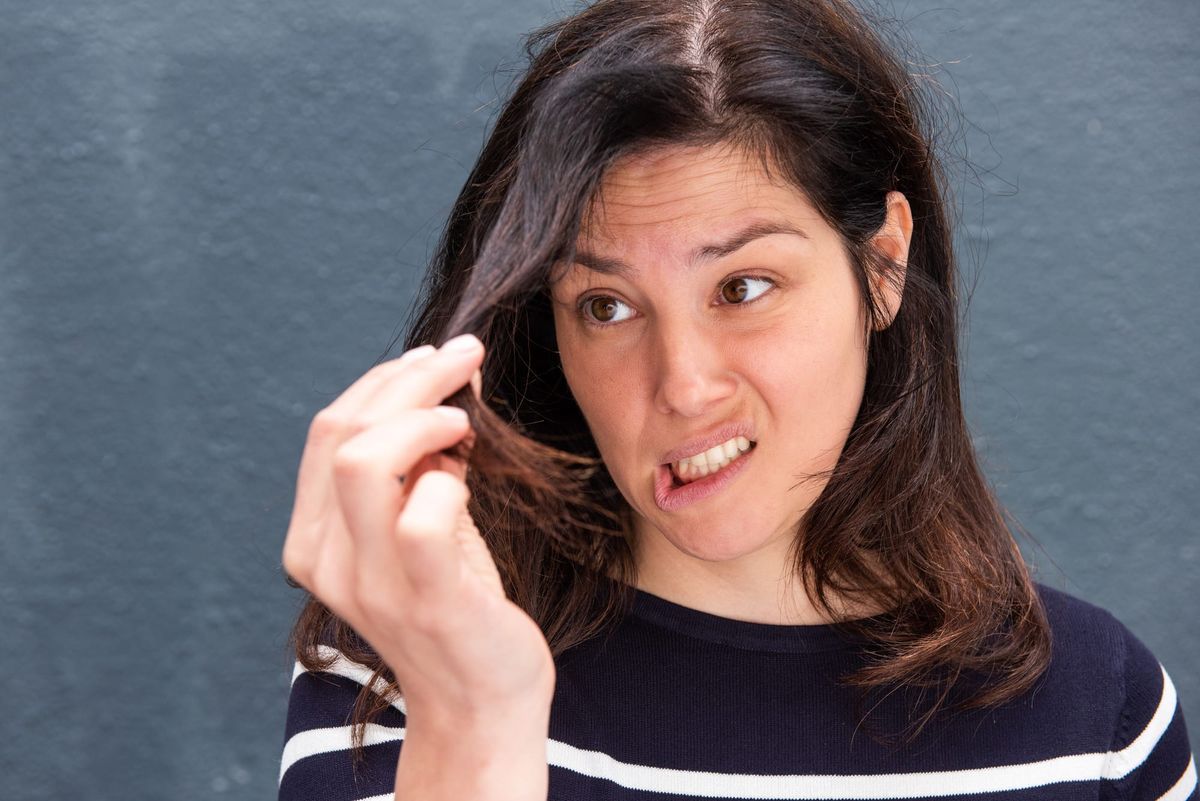
Okay, let's have a little chat. I've seen it all over social media - the gospel of 'hair training.' The idea that you can somehow discipline your scalp into producing less oil by stretching the time between washes for days, even weeks. It sounds great on paper, right? Less work, less product, and supposedly healthier hair. But I've got to be honest with you, after two decades in this industry, I've seen the fallout from this trend, and it’s not pretty. We need to talk about what's really going on up there.
The 'Hair Training' Promise vs. Scalp Reality
On one hand, you have this promise of liberation from the wash-day cycle. The theory goes that by washing less, you stop 'stripping' your natural oils, signaling your scalp to calm down and produce less sebum. It's a tempting narrative, I get it. But on the other hand, we have biological fact. Your scalp's oil production is primarily governed by hormones and genetics, not your shampoo schedule. You can't really 'train' your sebaceous glands any more than you can train your sweat glands to stop sweating when it's hot.
Here's the secret no one talks about: that oil doesn't just sit there politely. It oxidizes. It mixes with dead skin cells, environmental pollutants, and product residue. Essentially, it goes rancid - what I call 'rotten oil.' This creates a pro-inflammatory environment that your hair follicles absolutely hate.
What's Really Happening on Your Scalp?
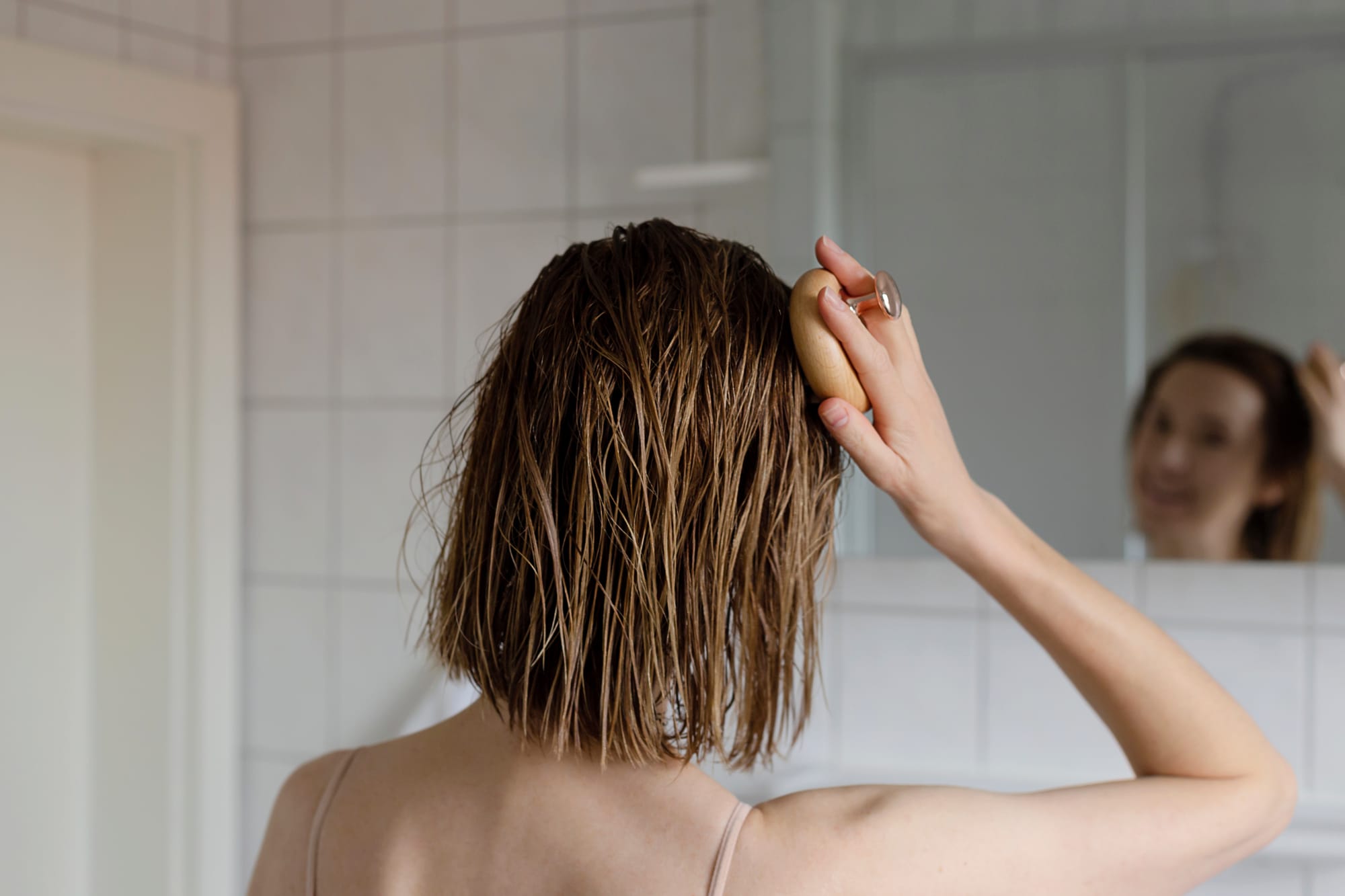
So, while you're trying to push through 'one more day' without washing, this cocktail of old oil is throwing a party for some unwelcome guests. Specifically, a type of yeast called Malassezia, which feeds on this sebum. An overgrowth of this yeast is linked to dandruff, itchiness, and some serious inflammation right at the root of your hair. This isn't just uncomfortable; it can weaken the follicle over time, potentially leading to increased shedding. It's a sign that your scalp's microbiome is out of whack.
Some tell-tale signs that your scalp is unhappy with infrequent washing include:
- A persistent itch you just can't shake.
- Flakes, whether they're oily or dry.
- A 'sour' or 'un-fresh' smell from your scalp.
- Increased hair shedding in the shower.
- Tenderness or soreness at the roots.
A Mindful Approach: Listening to Your Scalp, Not the Internet
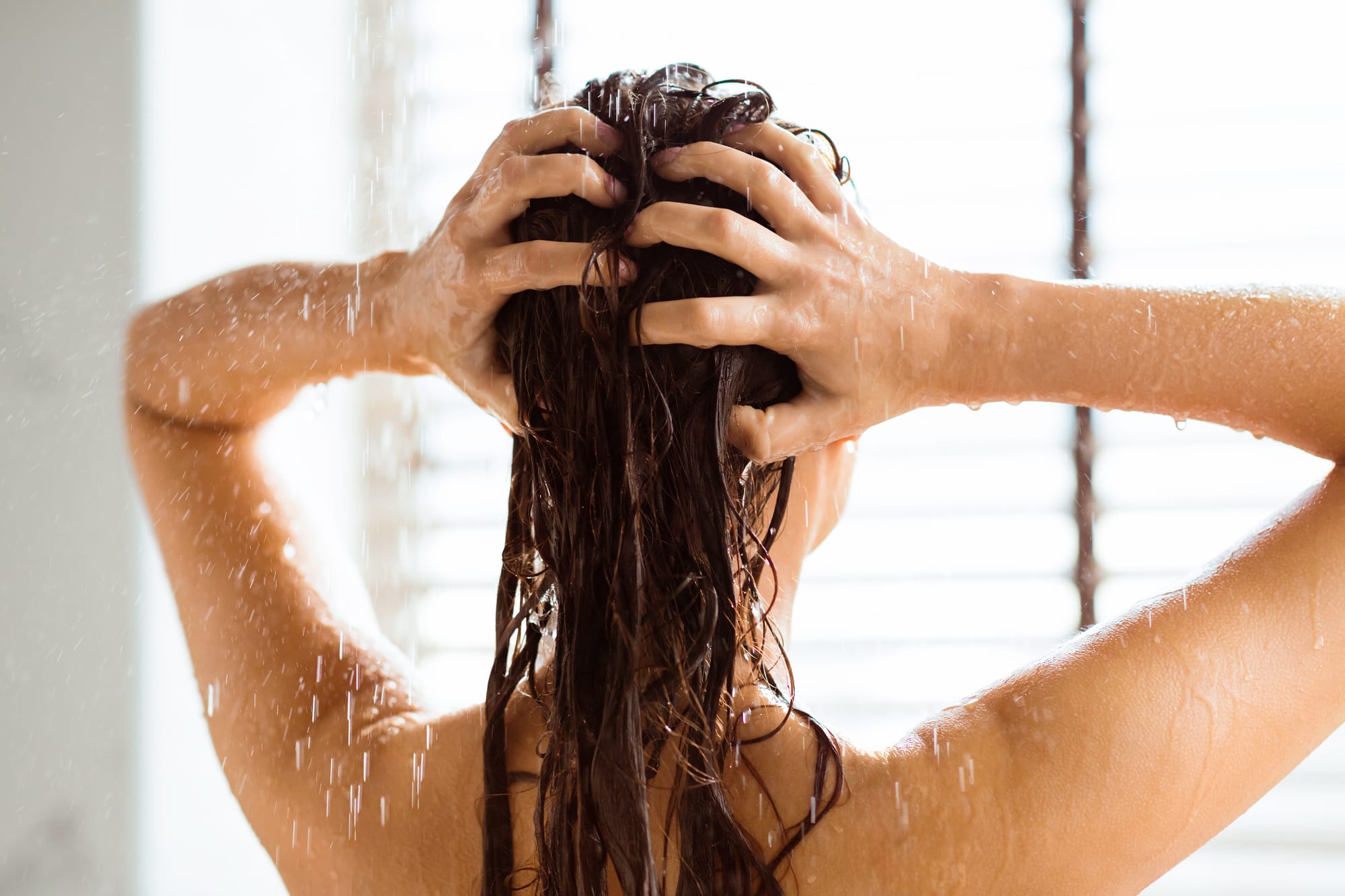
So, what's the answer? It’s beautifully simple: wash your hair when it's dirty. That’s it. For some of us with oily-prone scalps, that might be every day. For others with drier scalps, it might be every three days. There is no magic number. The goal isn't to follow a rulebook written by an influencer; it's to create a healthy, clean environment where your hair can actually thrive. It's about letting go of rigidity and tuning into your body's unique rhythm.
The Two Sides of Sebum
It’s important to remember that oil itself isn't the enemy. It's all about timing and balance. Think of it like this - there are two distinct versions of the oil on your scalp, and they play very different roles.
- Fresh Sebum: This is the good stuff! It's what your scalp produces to naturally moisturize the skin and coat the hair strand, providing protection and shine. It's beneficial for the first 24-48 hours, depending on your personal biology.
- Oxidized Sebum: This is the old oil that has been exposed to air and has started to break down. It becomes a food source for microbes, clogs follicles, and triggers the inflammatory response we've been talking about. This is the stuff we want to gently wash away.
So let's ditch the idea of 'training' our hair and instead start 'tending' to it. Your scalp isn't a disobedient puppy that needs to be disciplined; it's a delicate ecosystem that needs to be kept clean and balanced. Washing your hair isn't a failure or a sign that you've 'ruined' your training - it's a fundamental act of hygiene, just like washing your face.
The most mindful thing you can do is simply pay attention. Does your scalp feel itchy, oily, or just plain 'off'? Then it's time for a gentle, thorough wash. Forget the calendar and forget what everyone else is doing. Your hair's long-term health depends on you responding to its needs in real-time, not forcing it to endure an uncomfortable and inflammatory state.
Ultimately, caring for your hair is an extension of caring for yourself. It’s about creating an environment - both internally and on your scalp - that supports health from the root up. So go ahead, enjoy that fresh, clean-scalp feeling, guilt-free. Your follicles will absolutely thank you for it.