The Surfactant Spectrum: Why Your 'Sulfate-Free' Shampoo Still Leaves Your Hair Feeling Stripped.
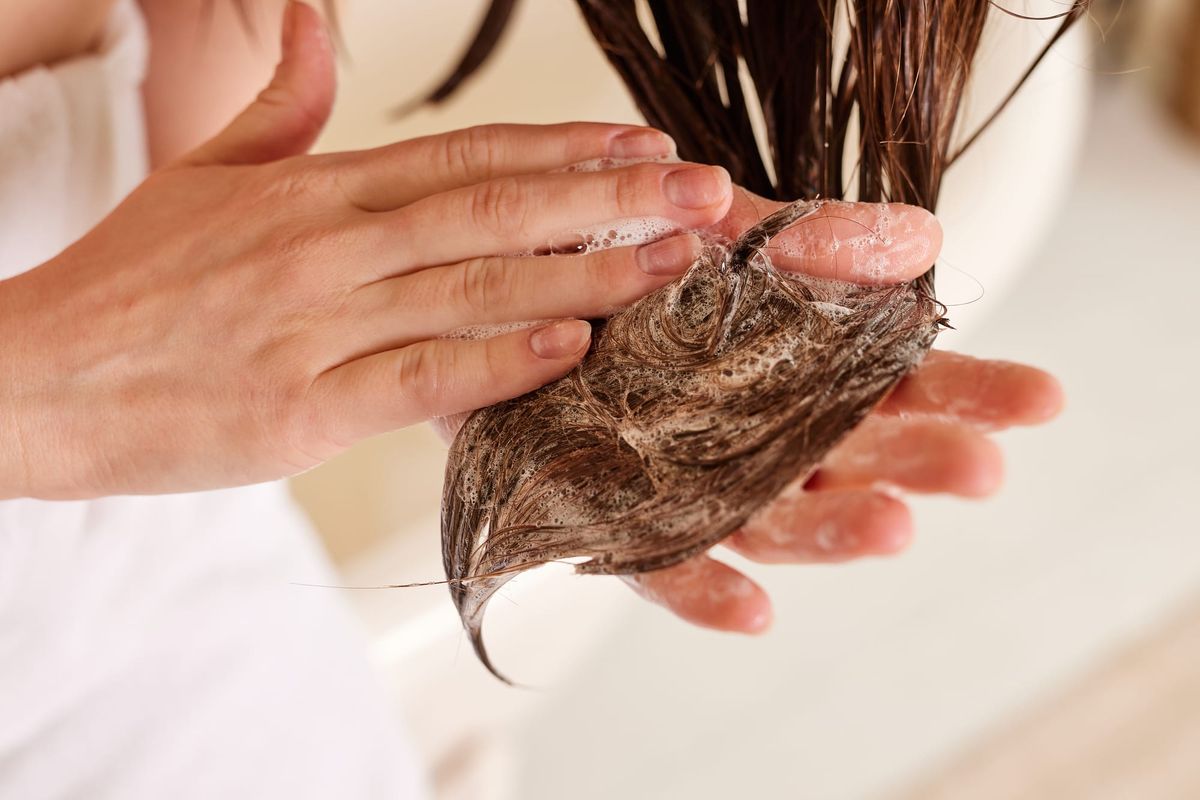
You did everything you were told. You saw the headlines, listened to the experts, and made the switch. You proudly placed a 'sulfate-free' shampoo in your shower, expecting softer, healthier, more vibrant hair. Instead, you got… the same old story. Your hair still feels tight, squeaky, and strangely stripped of its life force. It’s a frustrating cycle, and it leaves you wondering if all the hype was just that-hype.
The truth is, you're not imagining it. That feeling of dryness and depletion is real, and it’s happening for a reason that marketing slogans conveniently ignore. The problem isn't just about sulfates; it's about the entire world of cleansers they belong to.
Does any of this sound familiar?
- Your scalp feels tight and itchy right after washing.
- Your ends feel brittle and straw-like, even after conditioning.
- Your color seems to fade faster than it should.
- You get a day of 'clean' hair followed by an immediate overproduction of oil.
If you nodded along, you're in the right place. It’s time to look beyond the front of the bottle and understand the science on the back. It’s time to talk about the surfactant spectrum.
What Exactly Are Surfactants?
Let's demystify this. A surfactant is simply a cleansing agent. Think of it as a tiny molecule with a dual personality. One end loves water (hydrophilic) and the other loves oil (lipophilic). When you lather up, the oil-loving ends grab onto the dirt, sebum, and product buildup on your hair and scalp. When you rinse, the water-loving ends grab onto the water and pull the entire complex-dirt and all-down the drain. This is how all shampoos work, from the gentlest to the harshest.
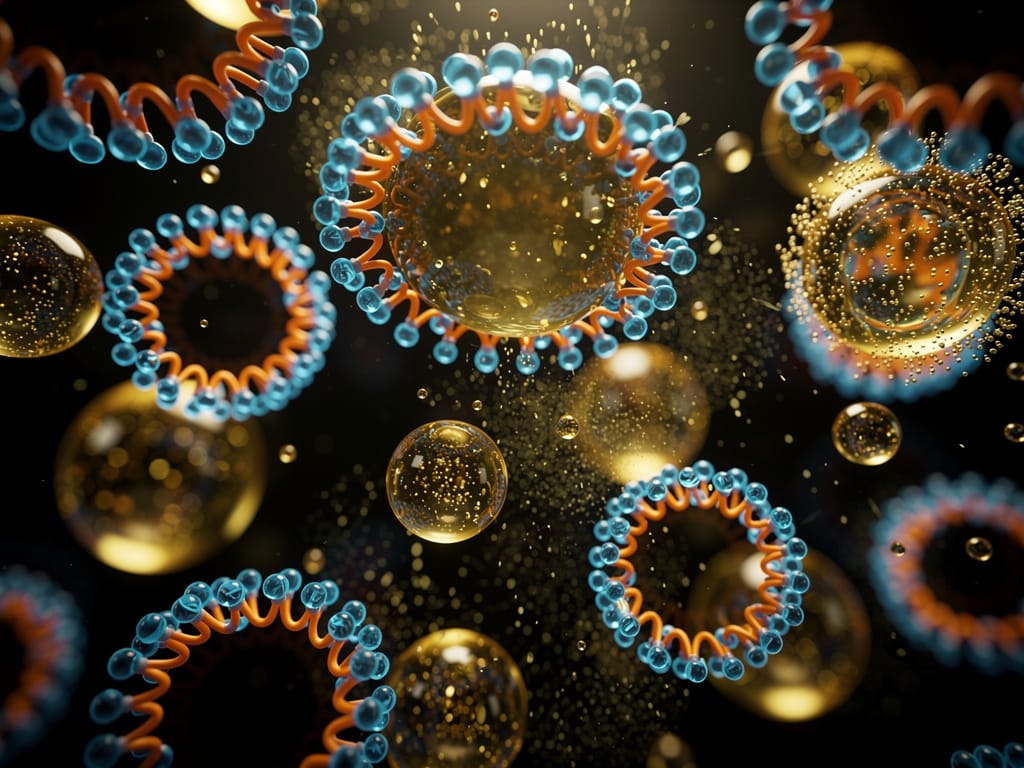
The key difference-the one that determines if your hair feels nourished or stripped-is the strength and size of that molecule. 'Sulfate-free' is just one stop on a long road, and some of its neighbors are just as aggressive as the ingredient you were trying to avoid.
The Spectrum: From Harsh to Harmonious
Imagine a scale of cleansing power. On one end, you have detergents that can strip paint. On the other, you have cleansers so mild they barely lift a speck of dust. Your hair’s happiness depends on finding the right spot on that spectrum for its unique biology.
The Strong Strippers (Even the 'Sulfate-Free' Ones)
This group includes the famous villains, Sodium Lauryl Sulfate (SLS) and Sodium Laureth Sulfate (SLES). They are effective, cheap, and create a ton of foam, but their small molecular size allows them to penetrate the hair cuticle and scalp, causing irritation and stripping natural lipids. But here’s the catch: some popular sulfate-free alternatives are nearly as potent. The most common one to watch for is Sodium C14-16 Olefin Sulfonate. While technically not a sulfate, it’s another small, highly-charged molecule that can leave hair feeling just as depleted. If you see this high on an ingredient list, you’re likely looking at a very powerful cleanser.
The Gentle Giants (The Truly Mild Cleansers)
This is where mindful hair care thrives. These surfactants are built from fatty acids and sugars, often derived from sources like coconut or corn. They have larger molecular structures, which means they can't penetrate the hair shaft or skin as easily. They clean effectively without causing irritation or stripping away the essential moisture that keeps your hair resilient. Look for names like Decyl Glucoside, Lauryl Glucoside, Coco-Glucoside, and Sodium Cocoyl Isethionate (a fan favorite for its creamy, gentle lather). These are the ingredients that respect your hair’s biological integrity.
Your Label is Your Guide
This is your moment of power. Turn your shampoo bottle around. The ingredients are listed in order of concentration. The first five or six ingredients after water make up the bulk of the formula. Is a gentle glucoside at the top, or is a sneaky sulfonate hiding in plain sight? This knowledge puts you in the driver’s seat. You are no longer a passive consumer buying a promise; you are an informed individual making a strategic choice for your long-term hair health.
Build Your Mindful Ritual
Understanding this spectrum is the first step toward true hair freedom. It’s about moving from a reactive state-fighting frizz, combating oil, fixing damage-to a proactive one. You are now equipped to choose a cleanser that works with your hair's texture and needs, not against them. For fine hair that gets weighed down easily, a gentle but effective cleanser like Sodium Cocoyl Isethionate might be perfect. For coarse, dry, or coily hair, a super-mild glucoside-based formula will provide the gentle purification it needs without disrupting its delicate moisture balance. This isn’t about finding a single 'holy grail' product. It's about building a relationship with your own hair. It’s about listening to its feedback-how it feels, how it shines, how it moves-and adjusting your approach with intention and care. You have the power to stop the cycle of stripping and over-moisturizing. You have the ability to give your hair the foundation it needs not just to survive, but to truly flourish from the inside out. This is the core of mindful hair care: a deep, science-backed understanding that transforms a routine into a ritual of profound self-care. Your hair isn't an accessory to be managed; it's a living part of you, ready to reflect the health and harmony you cultivate within.