
Why a Sore Scalp Means Your Natural Oils Have Turned Harmful
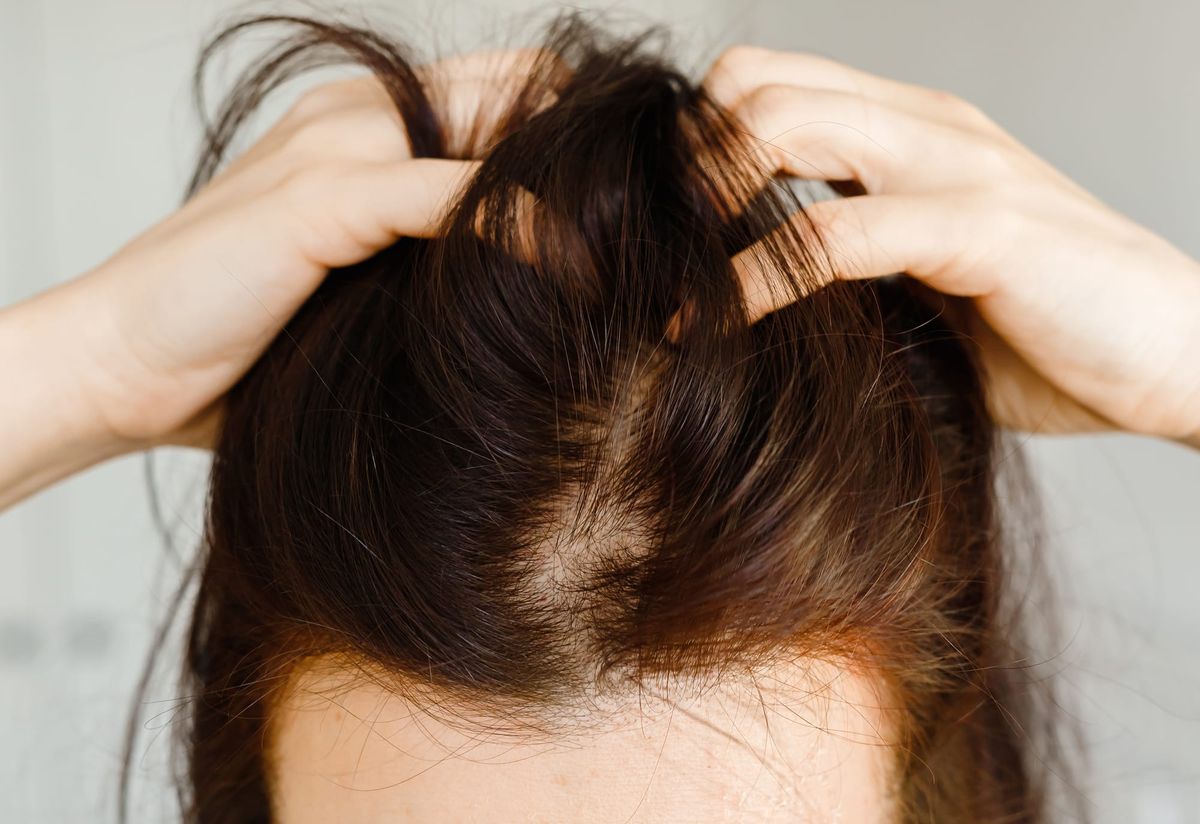
Hey there. Let's sit down and talk about something that's probably been on your mind if you've ever felt that weird, unexplainable tenderness on your head. You know the feeling-it's not an itch, not a burn, just a persistent soreness that makes even brushing your hair feel like a chore. For years, we've been told that our scalp's natural oils, or sebum, are the good guys, a built-in conditioner that keeps everything healthy. And while that's true, it's only half the story, and I want to walk you through the other half, because understanding it is the key to finally finding some relief.
The Double-Edged Sword of Sebum
First off, let's get one thing straight: your body is brilliant for producing sebum. This oily, waxy substance is your scalp's first line of defense, a waterproof shield that protects the skin and hair shaft from moisture loss and environmental damage. It’s supposed to be our friend, and most of the time, it really is. The problem isn't that your body is making this oil; the problem is what happens when that oil is left to its own devices for too long. It's less about the quantity of oil and much more about the quality of that oil as it sits on your scalp from one wash day to the next.
Let's Talk About Oxidation
Have you ever cut an apple and left it on the counter, only to see it turn brown and unappealing after a while? That's oxidation, a chemical reaction that happens when something is exposed to oxygen. Well, a surprisingly similar process happens with the oils on your scalp. When sebum is exposed to everyday aggressors like UV radiation from the sun, pollution, and even just the oxygen in the air, it begins to oxidize. This process fundamentally changes the oil's chemical structure, breaking it down into new, and frankly, much less friendly compounds.
One of the main components of this breakdown is something called squalene peroxide. You don't need to memorize the name, but you should know what it does. Squalene itself is a wonderful, natural part of your sebum, but when it oxidizes into squalene peroxide, it becomes a powerful skin irritant. It’s one of the primary culprits behind that mysterious soreness, essentially turning your scalp's protective layer into a source of discomfort and agitation. It's a quiet process you can't see, but you can definitely feel the results.
From Protective Oil to Pro-Inflammatory Problem

So, your natural oils have oxidized and created these irritating substances. What happens next? Your body, in its infinite wisdom, recognizes these compounds as foreign invaders or signals of distress. Its response is to kickstart an inflammatory process to deal with the perceived threat. Inflammation is your body's way of trying to heal itself, but when it's chronic and low-grade, it just causes pain and sensitivity. That soreness you're feeling is literally your scalp's immune system in a state of high alert, reacting to the very oils that were supposed to be protecting it.
Think of it like a security system that's suddenly become way too sensitive. It starts going off not because of a real danger, but because a friendly neighbor-your own sebum-has been hanging around so long it's started to look suspicious. This inflammatory cascade is what creates the tenderness, the redness, and sometimes even the flaking and itching that can accompany a sore scalp. It's a direct biological message that the environment on your scalp has fallen out of balance and needs some gentle, mindful intervention.
What Can We Do About It?
Hearing that your own body is creating this problem can feel defeating, but I promise you, it's actually empowering. It means the solution is within your control, and it doesn't involve harsh, stripping products. The goal is simply to gently and regularly remove the oxidized sebum before it has a chance to cause this inflammatory reaction. This means finding a cleansing rhythm that works for you-not so often that you strip your scalp, but frequently enough to prevent that significant oxidative buildup. It's about working with your body's natural processes, not against them.
Look for shampoos with gentle but effective surfactants that can properly cleanse away oil without disrupting your skin barrier. Ingredients with antioxidant properties can also be a wonderful addition to your routine, as they can help neutralize the free radicals responsible for oxidation in the first place. It's a holistic approach-you're not just washing your hair; you're resetting your scalp's environment to be a peaceful, healthy, and comfortable home for your hair to grow from.
Treating your scalp with this understanding changes everything.