
Why "Drinking More Water" Isn't Fixing Your Dry Ends (The Electrolyte Secret)

We have all heard the standard beauty advice: if your hair is dry and your skin is dull, just drink more water. So, we carry around our giant gallon jugs, dutifully sipping all day long, and yet... the ends of our hair still feel like parched hay. If you are drinking plenty of water but not seeing the results in your hair’s elasticity and shine, there is a high chance that the water is simply passing through you rather than actually getting into your cells.
In my nearly two decades of looking at hair health from a holistic perspective, I have noticed a massive misunderstanding of what hydration actually means. True hydration is not about the volume of liquid you swallow. It is about cellular mineral balance. If your internal environment lacks the right minerals, that water cannot find its way to the hair follicle where it is needed most.
Your hair is essentially a record of your internal health. While the strand itself is technically "dead," the follicle—the tiny factory that produces the hair—is very much alive and highly sensitive to your hydration status. When you are dehydrated at a cellular level, your body prioritized your brain and heart, leaving your hair to become brittle, lose its "snap," and look lackluster.
The Missing Link: Electrolytes
Think of electrolytes as the "gatekeepers" of your cells. Minerals like sodium, potassium, magnesium, and calcium are responsible for directing water where it needs to go. If you are drinking massive amounts of plain, filtered water, you might actually be doing more harm than good by flushing out these essential minerals. This leads to a state where you are "wet" on the outside but "dry" on the inside.
For your hair to have that natural, healthy bounce, the follicle needs a consistent supply of mineral-rich blood. This is what keeps the hair shaft flexible as it grows. Without proper mineral balance, the hair emerges from the scalp already compromised, making it much more susceptible to breaking the moment you pick up a blow dryer.
Actionable Step 1: The "Salt and Lemon" Ritual
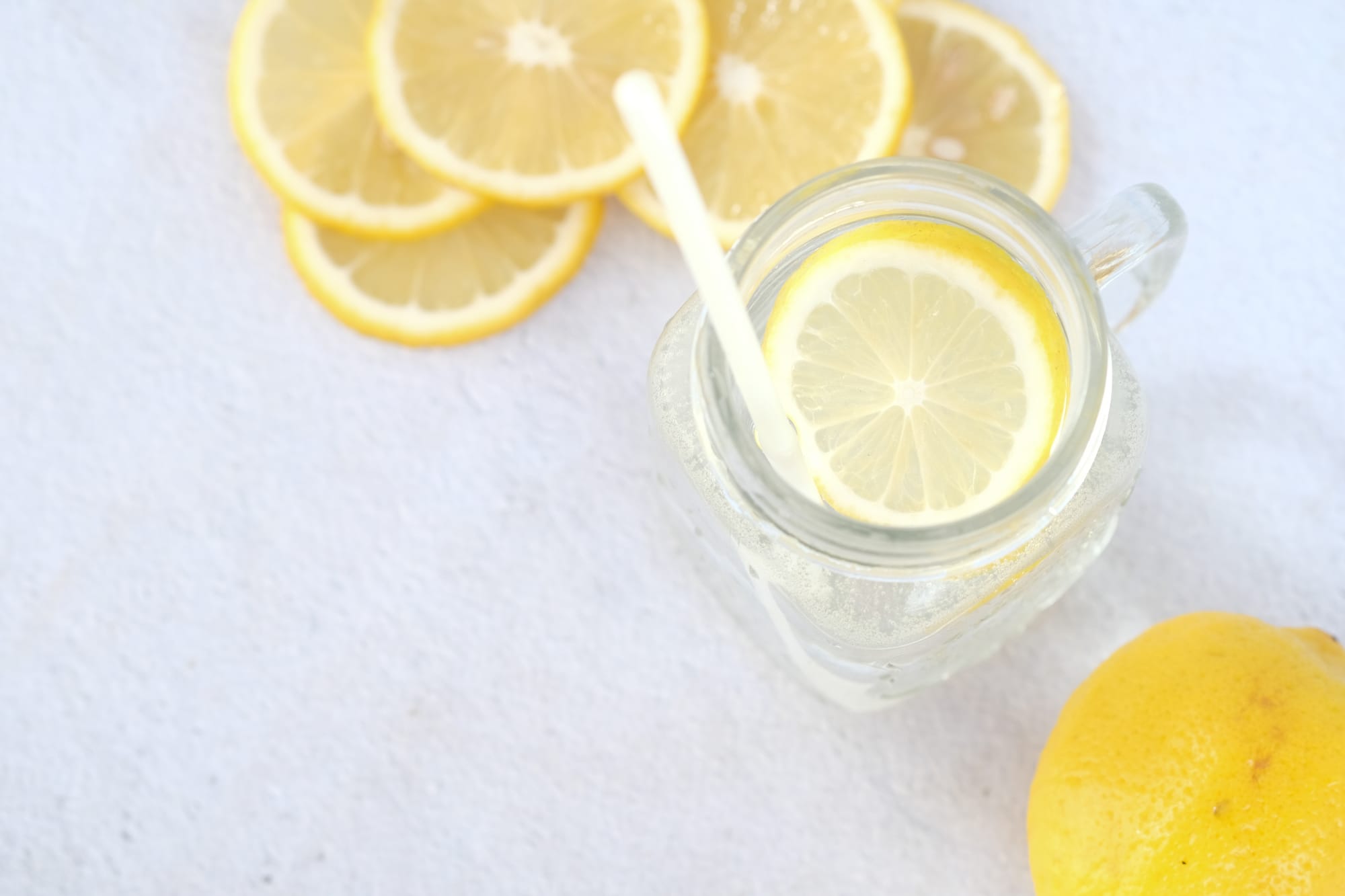
One of the simplest and most effective things you can do for your hair health is to stop drinking "naked" water, especially first thing in the morning. I always recommend adding a tiny pinch of high-quality sea salt (like Celtic or Himalayan) and a squeeze of fresh lemon to your first glass of the day.
The salt provides the trace minerals necessary for the water to actually enter your cells, while the lemon provides a hit of vitamin C, which is a key cofactor in collagen production. It is a thirty-second habit that does more for your hair’s internal hydration than a gallon of plain water ever could.
Actionable Step 2: Eat Your Water
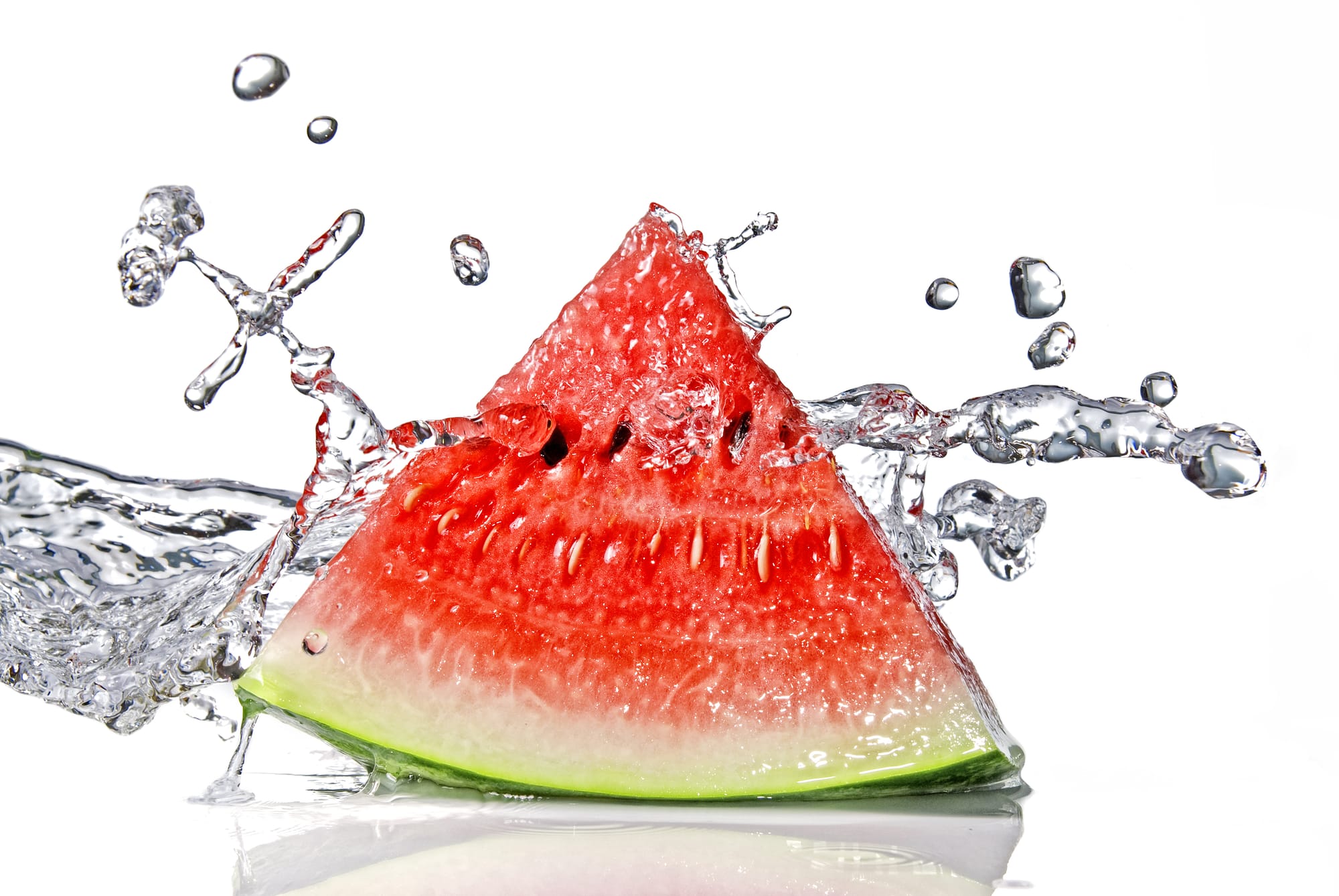
While drinking water is important, "eating" your water is often more effective for long-term hydration. Fruits and vegetables contain "structured water," which is naturally packed with the exact minerals and vitamins your hair follicles crave.
Instead of just reaching for the tap, focus on incorporating more hydrating foods into your daily routine:
- Cucumbers: Loaded with silica, a trace mineral that is a powerhouse for hair strength and shine.
- Watermelon: Provides lycopene and deep hydration that stays in the system longer than liquid.
- Celery: High in natural sodium, which helps balance the fluids in your scalp.
By getting your hydration through whole foods, you are providing your body with a "slow-release" form of moisture that keeps your hair follicles nourished throughout the day.
Actionable Step 3: Understand the "Elasticity Test"
To see if your internal hydration is actually working, you can perform a simple test at home. Take a single strand of hair (one that has naturally fallen out) and gently pull it from both ends.
If it snaps immediately with no stretch, you are likely lacking both moisture and minerals. If it stretches and then returns to its original shape, your internal hydration is on point. If it stretches and stays stretched, you might actually have too much moisture and not enough protein (a topic we will cover in a future post).
You can find more scientific details on how cellular hydration affects the biology of the hair follicle in various clinical studies. It is fascinating to see how even a 2% drop in systemic hydration can cause a visible change in the way your hair reflects light.
The Mindful Shift
Mindful hair care is about moving away from the "quick fix" mentality. We have been conditioned to believe that a spray-on shine or a silicone-heavy oil is the answer to dry hair. While those have their place in a styling routine, they are merely a "bandage" for an internal problem.
When you start focusing on the minerals and the quality of your hydration, you are building the foundation for hair that is naturally resilient. It is the difference between painting a dying plant green and actually watering the roots.
Start small this week. Buy a bag of high-quality sea salt. Add those cucumbers to your grocery list. Pay attention to how your hair feels after three weeks of mindful hydration. You might find that the "magic" you were looking for in a bottle was actually sitting in your kitchen all along.