
Why Loose Braids Beat Messy Buns For Hairline Protection
- Your daily messy bun creates constant, focused tension on your hairline, which can lead to a type of hair loss called traction alopecia over time.
- Loose braids distribute the weight and tension of your hair much more evenly, giving your delicate hairline a much-needed break.
- The goal isn't perfection; it's about reducing strain. A simple, loose braid using a soft tie is one of the kindest things you can do for your hair, especially overnight.
- Switching to looser styles and being mindful of scalp tension are small habits that add up to huge long-term benefits for hair health and density.
The Sneaky Truth About Your Go-To Hairstyle
Let's have a real chat. That messy bun you throw your hair into without a second thought? I get it. It's fast, it's easy, and it gets the hair off your neck. But I've seen the long-term effects of this habit on hundreds of clients over the years, and it's time we talked about the stress it's putting on your hairline. When you pull your hair back tightly into a bun or ponytail, you're creating a single point of tension. All the weight of your hair pulls on that one spot, and more often than not, the delicate, finer hairs around your face bear the brunt of it.
This constant, low-grade pulling can lead to something called traction alopecia. It sounds scary, but it's really just hair loss caused by persistent tension. It doesn't happen overnight. It's a slow fade-out, where you might notice your hairline looking a bit thinner or seeing more baby hairs breaking off. Think of it like a plant you're always gently tugging on-eventually, its roots are going to weaken. Your messy bun might feel comfortable, but that tight elastic and the weight of the bun itself are working against your long-term hair goals.
Why a Loose Braid is Your Hairline's Best Friend
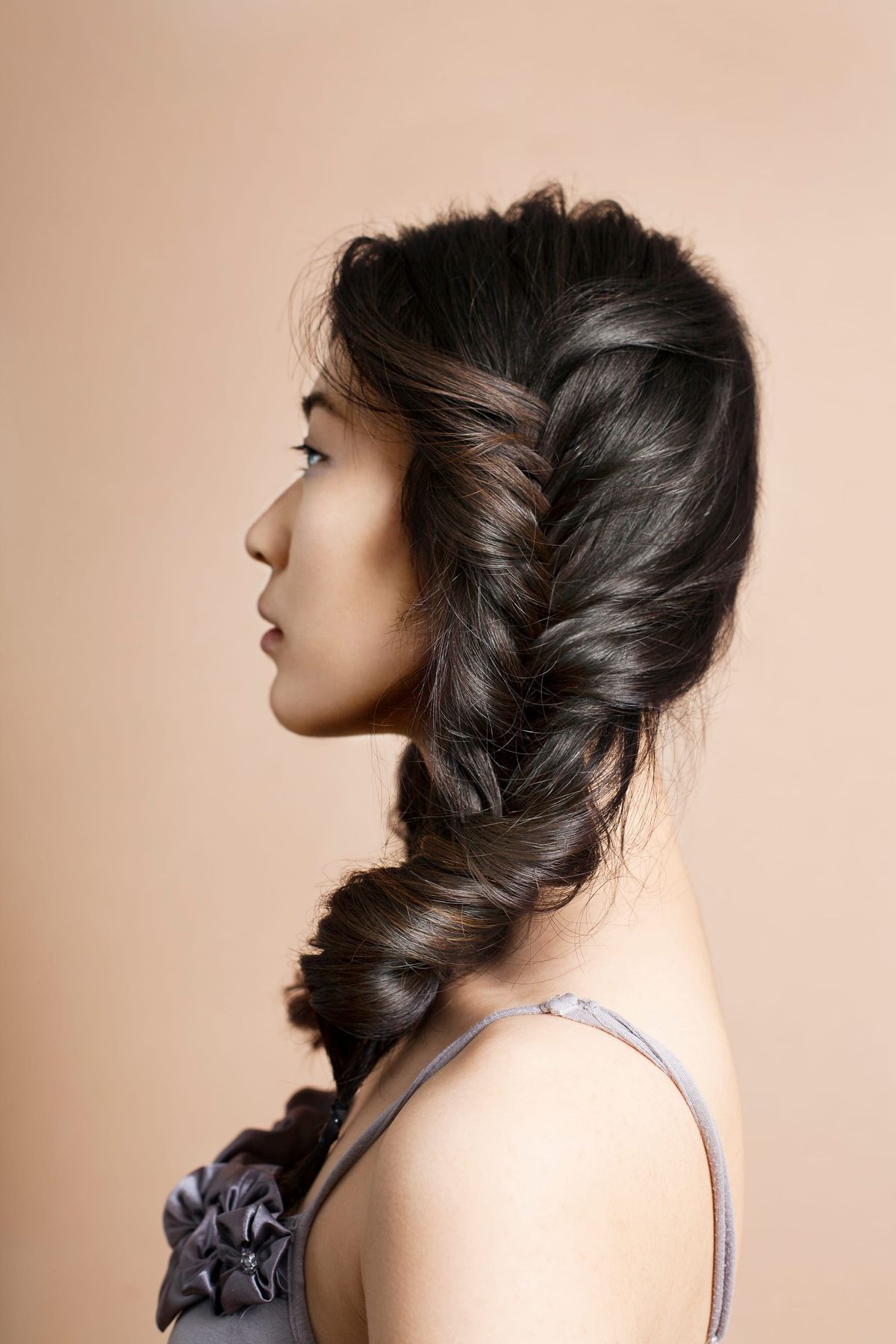
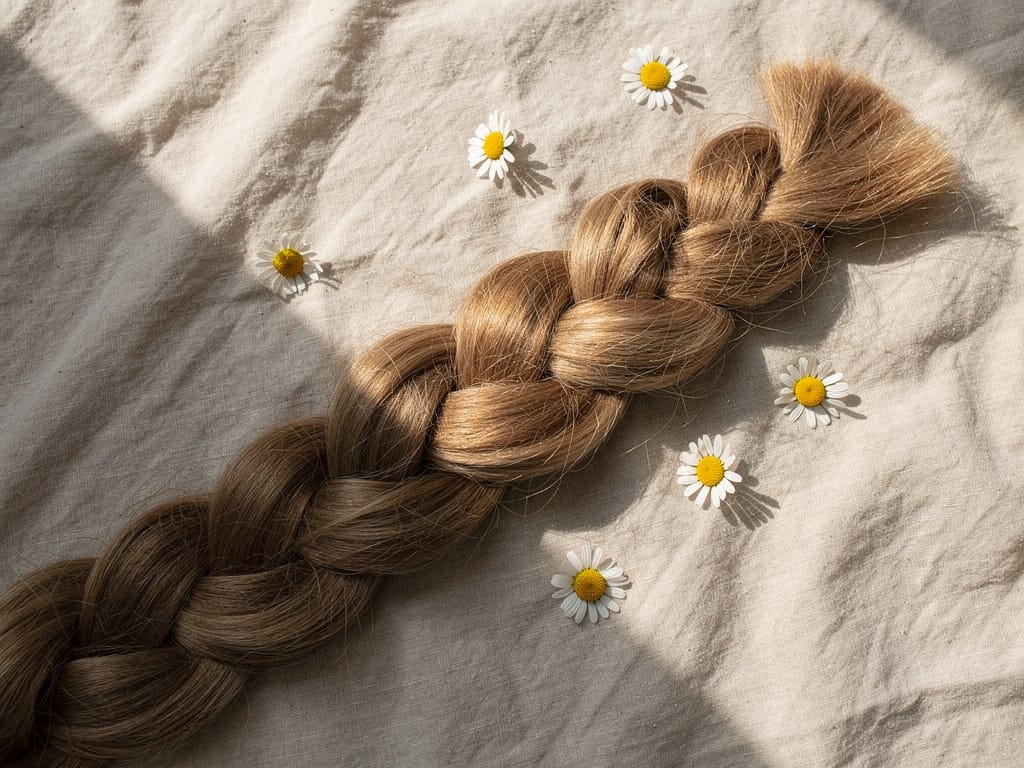
So, what's the alternative? A simple, loose braid. Honestly, it's one of the most loving things you can do for your hair. Unlike a bun that concentrates all the pulling force on your hairline, a braid works by weaving strands together, which brilliantly distributes the weight and tension down the entire length of the plait. There's no single, high-stress point. Instead, the load is shared evenly across larger sections of your scalp, giving those fragile front hairs a serious break.
The key here is the word 'loose'. We're not talking about a super-tight, scalp-pulling braid that gives you a headache. We're talking about a gentle, relaxed plait that respects your roots. It keeps your hair contained and protected from tangles (especially while you sleep) without demanding anything from your hairline. It’s the perfect balance of control and kindness, treating your hair not as something to be wrangled, but as a delicate fabric to be cared for.
Making the Switch: Your 3-Step Protective Braid
I know, changing a habit feels like a big deal, but I promise this is an easy one. You don't need to be a braiding expert to nail this. It's all about intention, not perfection. This little ritual can make a world of difference, especially if you make it your go-to style for sleeping. Your hair will thank you for it in the morning.
Here's how to do it right:
- Start with a Gentle Detangle: Before you do anything, make sure your hair is free of knots. Use your fingers or a wide-tooth comb and work from the ends up to the roots. Never, ever rip through tangles-that just causes breakage and defeats the whole purpose.
- Braid Loosely, Starting Low: Gather your hair at the nape of your neck, as if you're making a very low ponytail. Begin your three-strand braid from there. The most important part is to keep the sections at the scalp completely relaxed. If you feel any pulling at all, you're doing it too tightly. Let it have some slack!
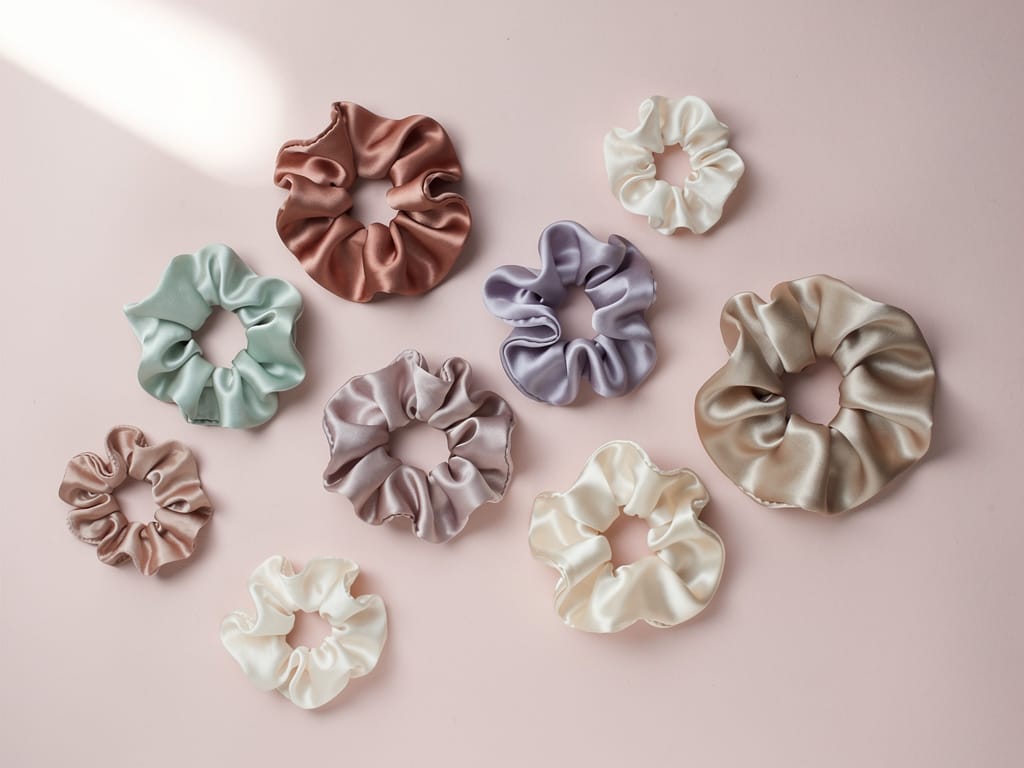
- Secure with a Soft Tie: This is non-negotiable. Ditch the tight elastic ties with the metal clasps. Those are a recipe for breakage. Instead, use a soft fabric scrunchie, ideally one made of silk or satin. These glide over the hair without snagging or creating a harsh pressure point at the end of your braid.
A Small Change for Big Results
At the end of the day, mindful hair care isn't about a massive overhaul of your entire routine. It's about these small, consistent acts of kindness. Swapping your tight bun for a loose braid is a perfect example. It's a simple adjustment that directly addresses a major source of mechanical damage and protects the future of your hairline. You're not just putting your hair up; you're choosing a style that supports its health from the root down, and that's a beautiful thing.