
Why Your "Silicone-Free" Routine is Actually the Reason Your Hair is Breaking (The Truth About "Good" vs. "Bad" Cones)

If you have stepped into a beauty aisle in the last five years, you have been bombarded by one specific message: silicones are the enemy. We have been told they are the "fast food" of hair care—cheap fillers that coat the hair in plastic, suffocate the scalp, and prevent moisture from ever reaching the core of your strands. So, like a good student of the clean beauty movement, you swapped your favorite high-performance conditioners for "natural" alternatives.
But then something strange happened. Your hair didn't get better. Instead, it became a tangled, frizzy mess that snaps every time you try to brush it. You are using more oil than ever, but the shine just isn't there. As someone who has analyzed hair chemistry for nearly two decades, I am here to tell you that the "silicone-free" movement has missed a very important chapter of the story.
By removing silicones entirely, you have removed your hair’s primary line of defense against the physical world. For many of us, especially those with color treated or aging hair, going 100 percent silicone-free is like trying to go out in a rainstorm without a raincoat. You are going to get soaked, and your hair is going to get damaged.
The "Raincoat" Effect: What Silicones Actually Do
To understand why you might need silicones, you have to understand the hair cuticle. In a perfect world, your cuticle scales lie flat like shingles on a roof. In the real world—the one with hard water, heat styling, and UV rays—those scales are often lifted, chipped, or missing entirely.
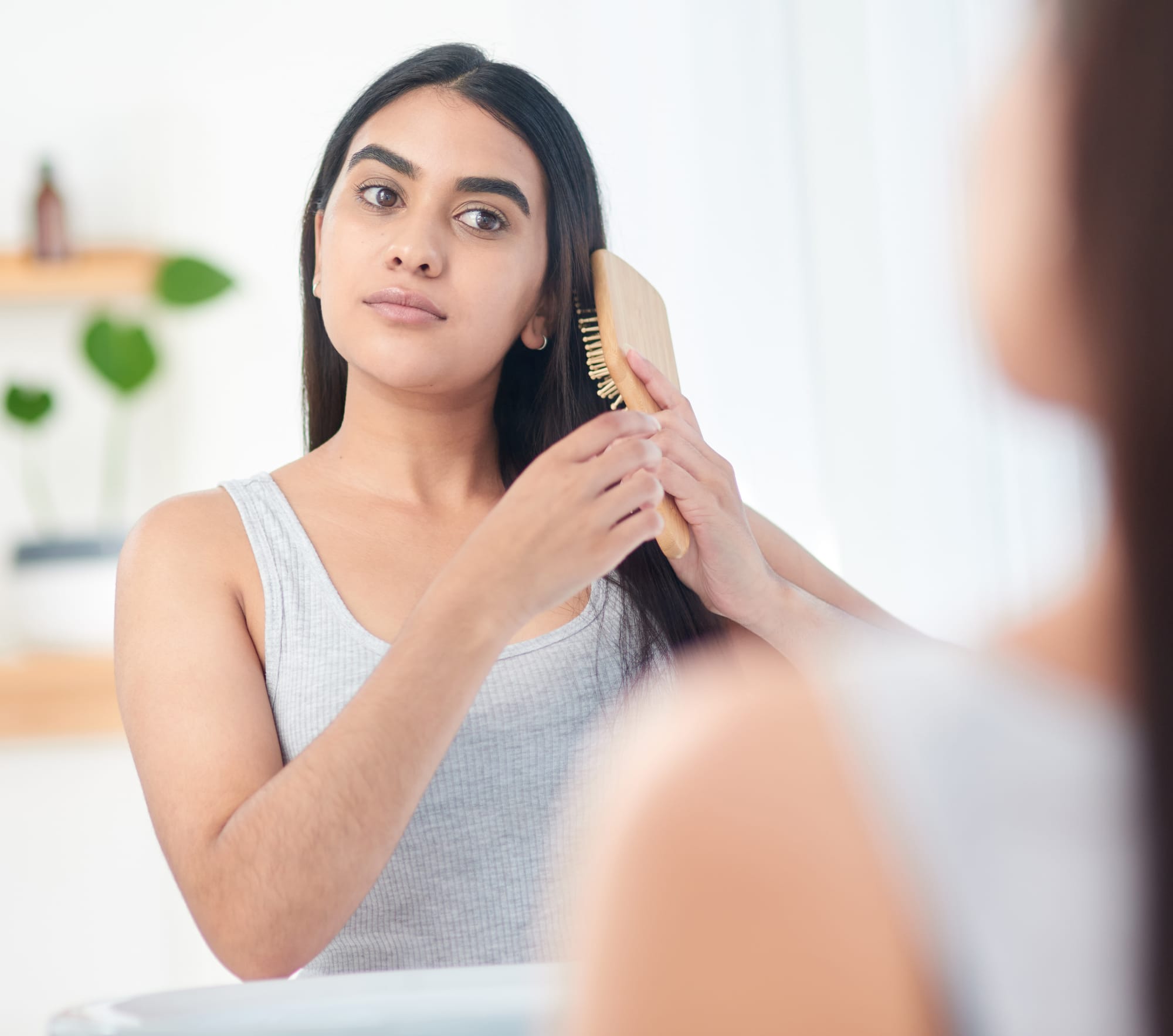
Silicones are synthetic polymers that act as a "breathable seal" over these gaps. They provide "slip," which is the scientific way of saying they make your hair strands slide past each other rather than catching and snapping. Without that slip, the friction from your pillowcase, your brush, and even your own shoulders acts like sandpaper on your hair’s internal structure.
The reason your "natural" routine is failing you is likely because oils and butters cannot provide the same low-friction finish that a well engineered silicone can. You aren't "suffocating" your hair; you are leaving it exposed.
The Build-Up Myth vs. The Scalp Reality
The biggest fear surrounding silicones is build-up. People worry that these ingredients will accumulate on the scalp, clogging follicles and leading to the thinning issues we discuss so often in our Inside series. This is a valid concern, but it is not a reason to banish silicones entirely. It is a reason to be more mindful about the type of silicone you use and where you put it.
There are two main categories you need to know: non-soluble and water-soluble silicones. Non-soluble silicones (like Dimethicone) are the heavy hitters. They provide incredible shine and heat protection, but they require a proper surfactant to remove. If you use these and only wash with "low-poo" or co-washes, you will get build-up.
Water-soluble silicones (like Dimethicone Copolyol or any silicone with a "PEG" prefix) provide the protection and shine but rinse away easily with just water. These are the "mindful" choice for anyone who wants the benefits of science without the risk of clogging their growth environment.
Actionable Steps: How to Reintroduce Silicones the Right Way
If you are ready to stop the breakage and bring back the "glass hair" finish, follow this protocol:
- Check Your Labels for "PEG": Look for ingredients like PEG-8 Dimethicone or PEG-12 Dimethicone. These are water-soluble. They give you the "slip" you need to prevent breakage during brushing, but they won't build up on your scalp or weigh down your fine hair.
- The "Ends Only" Rule: This is the most important ritual. Silicones belong on the oldest, most weathered part of your hair: the bottom two-thirds. Never apply a silicone-heavy serum or conditioner directly to your scalp. Your scalp produces its own natural oils; it does not need synthetic help. Your ends, however, have been through years of environmental stress and desperately need that protective "coat."
- The Monthly Reset: Even if you only use water-soluble silicones, I recommend a proper clarifying wash once a month. This ensures your "Scalp Science" remains balanced and your follicles stay clear.
- Identify Your "Cone" Needs: If you use high heat (blow dryers or flat irons), you actually need the non-soluble silicones like Amodimethicone. They are specifically designed to survive the heat and protect the keratin from "boiling" inside the hair shaft.
You can read more about the molecular weight and volatility of different silicones in hair care to see how they are engineered to behave on the hair fiber. Once you see them as tools rather than "toxins," you can use them to your advantage.
The Mindful Middle Ground
Mindful hair care isn't about being a "natural" purist. It is about understanding the biology of your hair and choosing the best tools for the job. If your hair is breaking, it is telling you that it lacks protection. Sometimes, that protection needs to come from a lab, not just a coconut.
Stop feeling guilty about using products that actually work. If a water-soluble silicone prevents you from snapping off half an inch of hair every time you brush, then that silicone is a vital part of your length-retention ritual. Treat your scalp like skin, but treat your hair like the delicate fiber it is. A little bit of "science" might be exactly what your "nature" needs.