
Your Scalp Has Seasons
Your Scalp Is Not the Same All Year Long
Most people treat their scalp like a fixed thing - a static surface that either works or doesn't.
Here's the truth: your scalp is a living ecosystem, and it shifts with every season.
Temperature changes, humidity swings, UV exposure, indoor heating - all of it lands directly on your scalp and rewires how it behaves. Ignoring that is one of the most common reasons people feel stuck in a cycle of dryness, excess oil, or unexplained shedding.
What Actually Changes - And Why It Matters
Your scalp's sebaceous glands are highly responsive to environmental cues. Think of them like a thermostat that never stops adjusting.
In winter, cold air outside and dry heat indoors strip moisture from the skin barrier. The result? A tight, flaky, irritated scalp that often gets misread as dandruff.
In summer, heat and humidity push sebum production into overdrive. Your scalp gets oily faster, sweat accumulates around the follicles, and buildup becomes a real issue if you're not washing strategically.
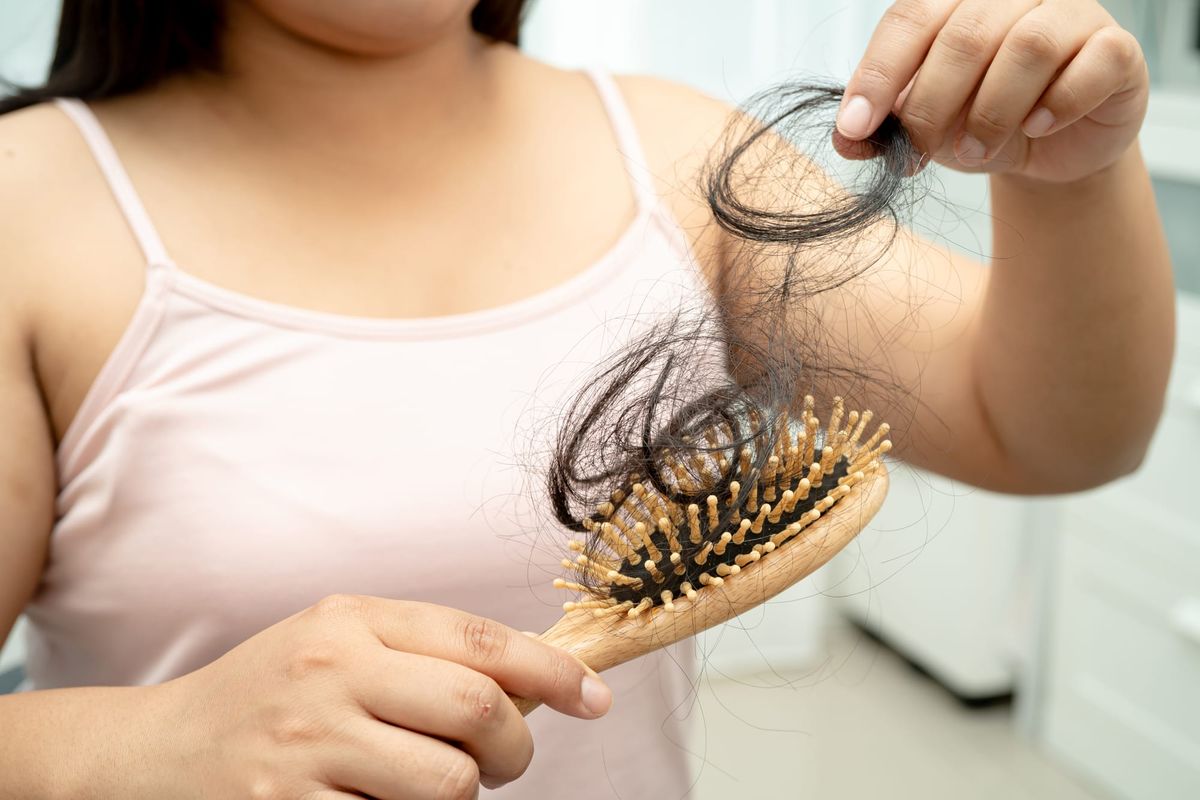
Spring and fall are transition periods - and they're sneaky. These are the seasons when shedding spikes. That's not a coincidence.
Seasonal shedding is a documented biological phenomenon. Research shows that human hair follicles tend to shift into a resting phase (telogen) in late summer, with the shed happening weeks later in autumn. A similar, smaller wave can occur in spring.
So if you're pulling more hair from your brush in October or April, your scalp isn't failing you. It's following a rhythm.
The Four Scalp Seasons - A Quick Breakdown
- Winter: Barrier disruption, dryness, sensitivity, potential flaking. Priority - deep hydration and gentle cleansing.
- Spring: Transition shedding, follicle reactivation, increased sensitivity. Priority - scalp stimulation and light nourishment.
- Summer: Excess sebum, sweat, UV stress on the scalp skin. Priority - clarifying, sun protection, and frequency adjustments.
- Fall: Peak shedding window, cooling down, barrier repair begins. Priority - scalp massage, nutrient support, and patience.
How to Actually Work With Your Scalp's Rhythm
Here's what most routines get wrong: they're built once and never revisited.
You wouldn't wear the same outfit in July and January. Your scalp care deserves the same logic.
Start by auditing your scalp every time the season shifts. Ask yourself: Is it tight? Itchy? Greasy by day two? Shedding more than usual? Those signals are data - not problems to panic about.
Then adjust three things:
- Wash frequency. Summer may call for more frequent cleansing. Winter may need you to back off and let natural oils do their job.
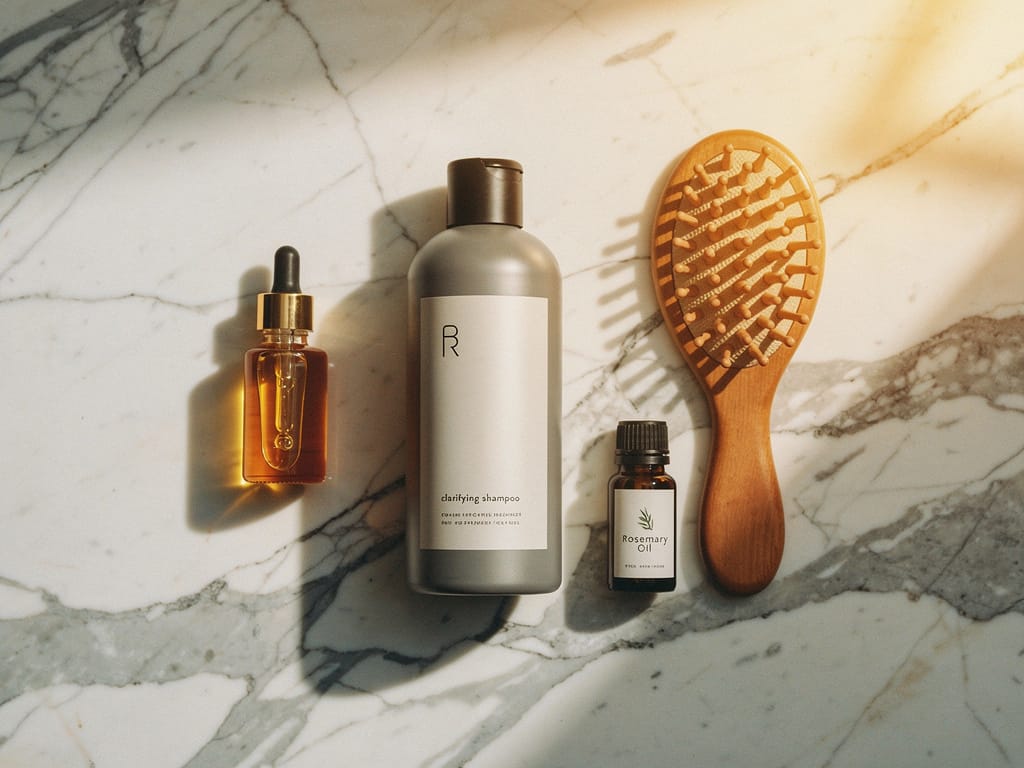
- Product weight. Heavier scalp serums and oils belong in winter. Lightweight, water-based formulas work better in summer heat.
- Stimulation habits. Scalp massage is a year-round practice, but it becomes especially powerful in fall and spring - when follicles are transitioning - to encourage healthy circulation and reduce prolonged shedding.
One Habit That Pays Off in Every Season
Scalp massage. Full stop.
A 2016 study published in ePlasty found that just four minutes of daily scalp massage over 24 weeks led to measurable increases in hair thickness. The mechanism is simple - mechanical stimulation increases blood flow to the follicle, delivering the oxygen and nutrients that growth depends on.
It costs nothing. It takes four minutes. And it works regardless of whether it's January or July.
Stop Chasing a Fixed Routine
The most empowering shift you can make for your hair health is this: stop looking for the one perfect routine and start building a responsive practice.
Your scalp is in constant conversation with its environment. When you learn to listen - really listen - you stop fighting your hair and start working with it.
That's where real, lasting change begins. Not in a product. In awareness.
Check in with your scalp this week. Notice what it's telling you. Then adjust accordingly.
That's the whole game.